



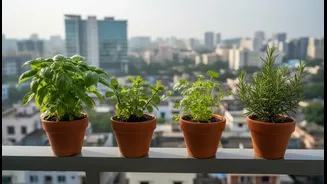




The Myth of a Single Planting Window
Bengaluru's monsoon is often romanticised as one long, gentle watering can for your plants. The reality is far more chaotic. Recent years have shown that the monsoon can be unpredictable, with intense, short downpours followed by long, dry, and humid
spells. A recent BDA plantation drive saw saplings wither due to a delayed monsoon, highlighting that even large-scale efforts are at the mercy of these shifting patterns. For a small balcony pot, a single heavy downpour can wash away tiny seeds or completely waterlog the soil, while a subsequent dry spell can bake the very same pot. This is why thinking of the monsoon as a single, reliable "planting window" is the first mistake many new plant parents make.
Your Balcony Is Not a Farmland
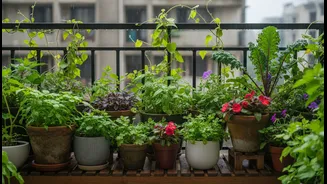
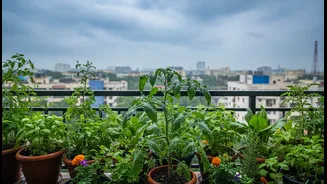
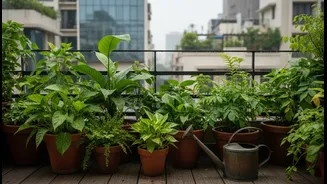
A key piece of context is understanding your balcony's unique microclimate. Unlike a field or a ground-level garden, a balcony is a world of its own. It contends with reflected heat from concrete walls and glass railings, concentrated wind tunnels on higher floors, and uneven rain exposure. One side of your balcony might get drenched while the other remains bone dry. The soil in pots also behaves differently; it heats up and dries out faster than ground soil and has limited space for roots. Bagged red soil, a common choice, often compacts and prevents drainage. Therefore, copying advice meant for traditional gardens without adapting it for a container setup on a 10th-floor apartment in Whitefield or Jayanagar is a recipe for failure.
Water Wisdom: More Is Not Always Merrier
The biggest irony of monsoon gardening is that the most common cause of plant death is often overwatering and root rot. Heavy, continuous rain can saturate the soil in pots, and if drainage is poor, the roots suffocate. It’s crucial to ensure every pot has drainage holes. A simple but effective trick is to elevate your pots on bricks or stands. This small gap allows excess water to escape freely and prevents the pot from sitting in a puddle. Before you even think of watering, stick your finger two centimetres into the soil. If it feels damp, leave it alone. The monsoon air is humid, and the soil will stay moist for longer than you think.
Choose Your Monsoon Champions Wisely
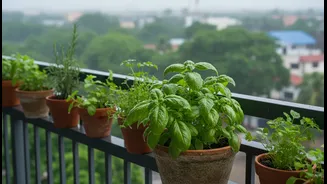
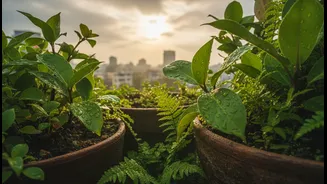
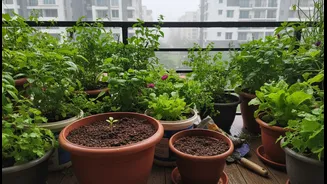
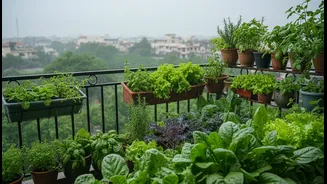
Not all plants celebrate the rain equally. The key is to choose species that thrive in humidity but can also tolerate periods of wet feet. For Bengaluru's climate, this is the season for leafy greens like spinach, amaranth (chaulai), and coriander to thrive. Many flowering plants like hibiscus, jasmine, and rain lilies adore the monsoon's humid embrace. It's also an excellent time to propagate plants like money plant and coleus, whose cuttings root almost comically fast in the moist air. However, be cautious with vegetables whose tiny seeds can be washed away by heavy rain. And most succulents will struggle; it's best to move them to a covered, well-ventilated spot to protect them from the constant dampness.
Prepare for Pests and Provide Support
The humid, damp conditions of the monsoon are a paradise for fungal diseases and pests. To get ahead of this, ensure good air circulation between your pots by not crowding them. Proactively spraying with a natural repellent like neem oil every 10-15 days can prevent many common issues like powdery mildew. Another monsoon challenge is wind. Strong gusts can easily topple top-heavy pots or snap delicate stems. It’s wise to provide support to taller plants with simple stakes before the winds pick up. For very delicate plants, installing temporary barriers like jute mats or even moving them to a more sheltered corner during a storm can make all the difference.