

The Ultimate Souvenir
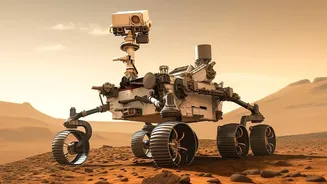
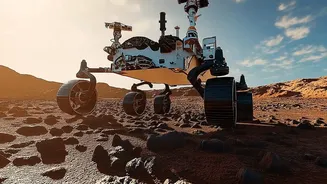
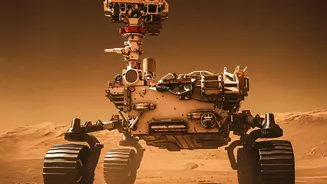
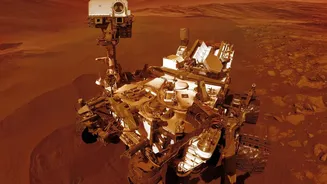
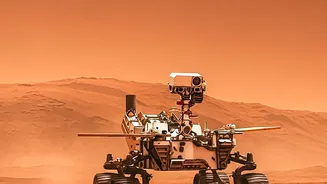
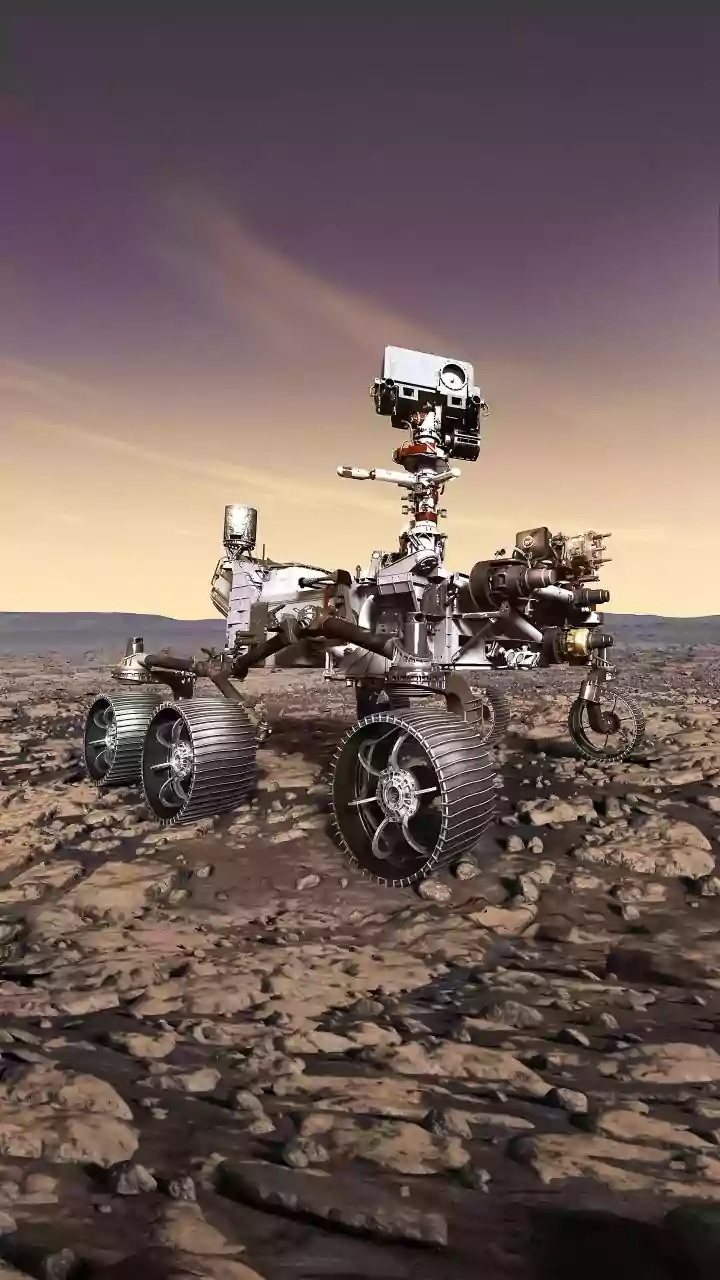
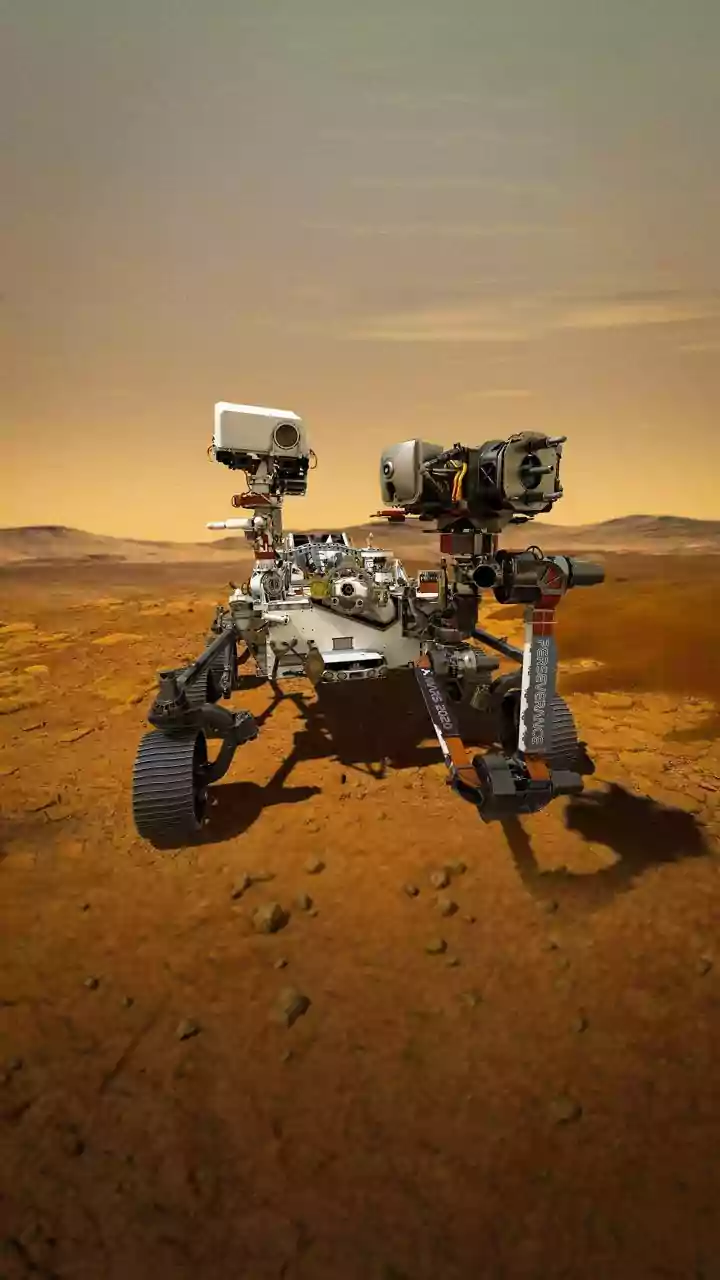
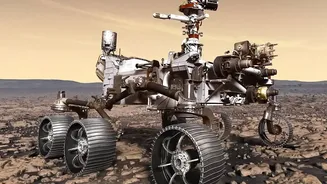
Since landing in Mars' Jezero Crater in February 2021, the Perseverance rover has been diligently at work. More than just a robotic tourist, it's a field geologist on a mission of unprecedented importance: to collect and cache samples of rock, soil, and atmosphere
that could answer one of humanity's biggest questions—was there ever life on Mars? While rovers can perform amazing science on the planet's surface, the most powerful instruments are here on Earth. Bringing these carefully selected samples home would allow scientists worldwide to analyze them with state-of-the-art equipment, hunting for definitive signs of past microbial life and unlocking secrets about the Red Planet's evolution. The Mars Sample Return (MSR) program has been described as NASA's highest scientific priority, a multi-stage effort to achieve what's never been done before.
A Plan Too Ambitious?
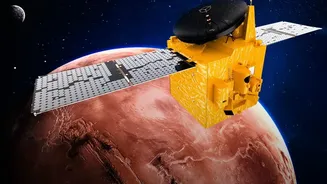
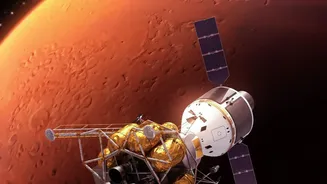
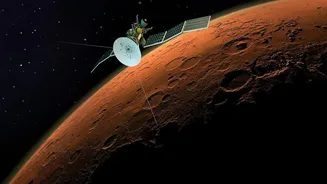
The original plan was a marvel of engineering complexity. It involved the Perseverance rover collecting the samples, which it has successfully been doing. A subsequent mission, the Sample Retrieval Lander, would touch down nearby. This lander would deploy a small rocket, the Mars Ascent Vehicle (MAV). Perseverance would deliver its samples, which would then be loaded into the MAV and launched into Mars orbit. A third spacecraft, the Earth Return Orbiter built by the European Space Agency (ESA), would rendezvous with the sample container in orbit, capture it, and begin the long journey back to Earth. This intricate celestial ballet was a testament to human ingenuity, but it came with an equally astronomical price tag and a dauntingly complex series of steps, each a potential point of failure millions of miles from home.
A Sobering Reality Check
In 2023, an independent review board delivered a stark verdict: the MSR mission, as designed, was founded on unrealistic budget and schedule expectations. The board found a near-zero probability of the key components being ready for their planned 2027/2028 launches. The projected cost had ballooned to as much as $11 billion, with the samples not arriving on Earth until 2040. NASA Administrator Bill Nelson stated the conclusion bluntly: '$11 billion is too expensive, and a 2040 return date is too far away'. Faced with these figures and the risk of the MSR program consuming an unsustainable portion of the agency's science budget, NASA was forced to pause the project and confront the need for a fundamental rethink.
Back to the Drawing Board
In response, NASA has formally hit the reset button. The agency announced a new initiative in November 2026 called the Perseverance Sample Retrieval Architecture (PSRA). This effort, set to kick off in January 2027, will establish a new strategy for getting the samples home. The goal is to develop 'impartial recommendations' by the end of 2027 by reviewing past lessons, assessing current capabilities, and soliciting new, innovative proposals from both NASA centers and private industry partners. The agency is actively seeking faster, cheaper, and less complex designs that could potentially return the samples in the 2030s for a more manageable cost, possibly in the range of $8 billion. This call for fresh ideas opens the door to commercial companies like SpaceX and Blue Origin, which are already developing heavy landers for lunar missions, to potentially play a role.
The Race Against Time
While NASA re-evaluates its strategy, the clock is ticking. The Perseverance rover continues its mission, having already collected dozens of scientifically valuable samples. But there's another element of pressure: international competition. China is moving forward with its own ambitious Mars sample return mission, Tianwen-3, which aims to launch around 2028 and return samples to Earth as early as 2031. This adds a sense of urgency to NASA's efforts. The scientific prize of analyzing the first Martian samples is immense, but so is the technological and geopolitical prestige that comes with it. For NASA, finding a viable path forward isn't just about managing a budget; it's about maintaining leadership in planetary exploration.