




A Subdued End to Monsoon 2026
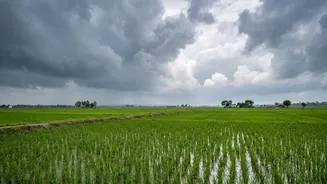
The India Meteorological Department (IMD) has projected that rainfall for September 2026 is most likely to be below normal, defined as less than 91% of the Long Period Average (LPA). This comes after a monsoon season that has already been inconsistent,
with a cumulative deficit of nearly 14% by the end of August. The forecast for a weak finish is largely attributed to strengthening El Niño conditions in the Pacific Ocean, a global weather pattern often linked to drier monsoons in India. While some regions in the northwest and northeast might see normal showers, many parts of the country, particularly Peninsular India, are expected to experience subdued rainfall.
The Crucial Role of September Showers
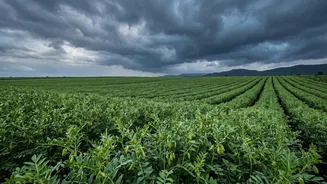
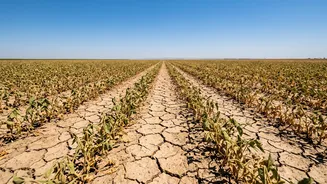
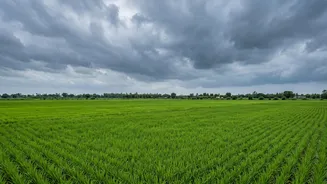
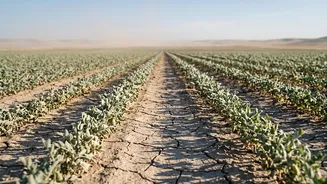
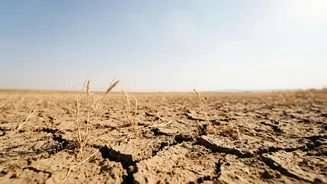
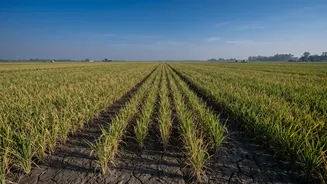
September rain is not just about topping up the season's total; it plays a critical role in preparing for the next agricultural cycle. These late showers are essential for recharging soil moisture just before the sowing of Rabi (winter) crops, which typically begins in October and November. Good soil moisture allows for timely sowing and healthy germination of key staples that feed the nation during the winter and spring. Without adequate September rain, the ground remains too dry, forcing farmers to either delay sowing, reduce the area they plant, or rely on irrigation. This also puts more pressure on reservoirs, which are already below last year's levels in several regions.
Pulses Under Pressure
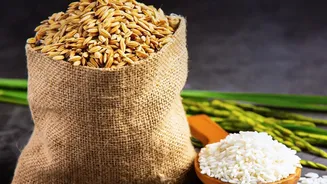
India's pulse production is particularly vulnerable to a September rain deficit. Many key Rabi pulses, such as chana (chickpea) and masoor (lentil), are predominantly rain-fed crops. Their successful cultivation hinges on the residual moisture left in the soil by the departing monsoon. A dry September could directly impact the acreage and yield of these protein-rich staples. Farmers in major pulse-growing regions of Central and Peninsular India might be hesitant to sow if conditions are not favourable, potentially leading to lower domestic production. This situation risks making the country more dependent on imports and could exert upward pressure on the prices of dals, a cornerstone of the Indian diet.
The Ripple Effect on Vegetable Prices
The vegetable basket is also set to feel the heat from a drier September. While many vegetable farms are irrigated, a significant portion, especially in semi-urban and rural areas, depends on rain. Insufficient rain can lead to lower yields and tighter supplies of staples like onions, tomatoes, and leafy greens. Furthermore, a weak monsoon puts a strain on water reservoirs, which affects the availability of water for irrigation-dependent farms as well. This double-whammy of low soil moisture and stressed water reserves can create supply bottlenecks in the months ahead. Market experts warn that this could interrupt the recent cooling of vegetable prices and add to household food inflation.
What This Means For Your Wallet
The connection between monsoon performance and kitchen budgets is direct and undeniable. Lower production of pulses and vegetables almost inevitably leads to higher prices in the mandis and, eventually, in retail stores. Economists are already flagging the risk of heightened food inflation if the September rains fail to deliver. A shortfall in Rabi crops would mean that supply struggles to meet demand, leading to price volatility for several months. While the government can use buffer stocks and imports to manage severe shortages, the market often reacts quickly to production forecasts, meaning prices could start to climb even before the harvest is complete.