


1. Prioritise Skin and Coat Care
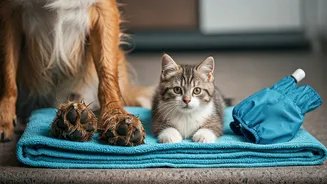
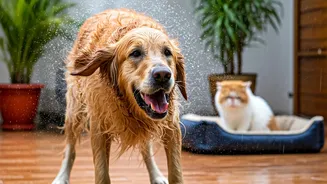
The constant humidity during the monsoon is a major culprit for skin infections in pets. If your dog or cat gets wet in the rain, dry their coat thoroughly with a towel, paying special attention to their paws, underbelly, and the areas behind their ears.
Leaving them damp can lead to fungal and bacterial infections, causing itching, rashes, and hair loss. Regular grooming is essential. Brush their coat daily to remove tangles and dirt, which helps with air circulation and keeps the skin healthy. For long-haired breeds, you might consider a shorter ‘monsoon cut’ to make cleaning and drying easier.
2. Step Up Parasite Protection
Monsoon means a population boom for ticks, fleas, and mosquitoes. These parasites are not just an annoyance; they can transmit serious diseases like tick fever, Lyme disease, and heartworm. Ensure your pet’s anti-tick and flea treatment is up-to-date. Consult your veterinarian for the best option, whether it's a spot-on treatment, a medicated collar, or oral medication. After every walk, do a thorough check for ticks, especially between the toes, inside the ears, and under the tail. Stagnant water is a breeding ground for mosquitoes, so empty any containers with collected water around your home.
3. Focus on Paw Health
Your pet’s paws are in constant contact with wet, muddy, and often contaminated surfaces during the rains. Puddles can hide sharp objects and harbour bacteria from overflowing drains. After every walk, wash your pet’s paws with lukewarm water and a mild, pet-safe antiseptic solution. Dry them completely to prevent fungal infections between the paw pads, a condition often called pododermatitis. Check for any cuts, abrasions, or signs of irritation. Keeping the fur between their paw pads trimmed can also help prevent mud and moisture from getting trapped.
4. Adjust Their Diet and Hydration
Digestive issues like diarrhoea and vomiting can become more common during the wet season. This is partly due to the increased humidity affecting the freshness of food and pets accidentally drinking contaminated puddle water. Avoid giving your pet leftover food and ensure their food bowls are cleaned daily. You may notice a slight decrease in their appetite as their activity levels drop. Consider slightly reducing their food portion to prevent weight gain. Most importantly, always provide fresh, clean drinking water. Boiling the water before giving it to your pet is a simple and effective way to prevent water-borne illnesses.
5. Manage Thunderstorm Anxiety
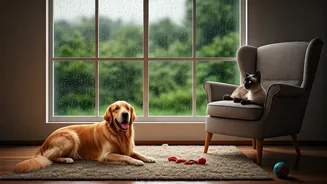
The loud claps of thunder and flashes of lightning can be terrifying for many pets, leading to anxiety, trembling, and hiding. Create a ‘safe den’ for them in a quiet part of the house, like a crate covered with a blanket or a cosy corner in a wardrobe. During a storm, close the windows and curtains to muffle the sound and block the light. Stay calm yourself, as pets can pick up on your anxiety. Playing some calming music or using a white noise machine can help. In severe cases, your vet may recommend anxiety wraps or calming supplements.
6. Ensure Safe Indoor Enrichment
With shorter walks and less time outdoors, your pet can get bored and restless, which might lead to destructive behaviour. Keep them mentally stimulated with indoor activities. Invest in puzzle toys, play a game of fetch in a long hallway, or practice some basic obedience training. Scent work, where you hide treats around the house for them to find, is an excellent way to engage their mind and natural instincts. A fulfilled and tired pet is a happy pet, even if they’re stuck indoors.