







From 'What' to 'Where'
There was a time when the primary marker of a good meal was flavour. Today, a new question has entered the dining lexicon: “Where is this from?” This shift from the 'what' to the 'where' is at the heart of a major trend reshaping India's food landscape.
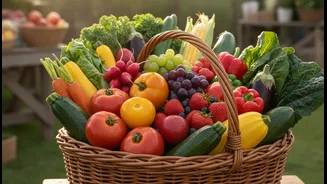
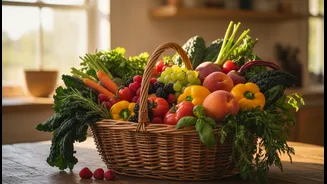
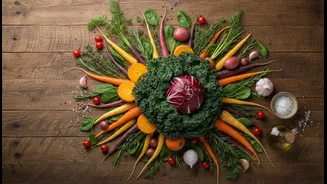
Diners are increasingly interested in the journey of their food, a movement often called 'farm-to-table' or 'farm-to-fork'. This concept is simple: restaurants shorten the supply chain by sourcing ingredients directly from local farms. This rising consciousness is driven by a desire for freshness, quality, and a deeper connection to the food on our plates. Experts predict that by 2026, provenance—knowing exactly where your food originates—will be the new definition of luxury in dining.
The Appeal of a Shorter Journey
The focus on 'distance' refers to reducing 'food miles'—the distance ingredients travel from where they are grown to where they are consumed. Sourcing locally has tangible benefits that resonate with today's conscious consumer. Firstly, freshness is paramount. Ingredients that travel shorter distances reach the kitchen quicker, often just hours after harvest, retaining more nutrients and vibrant flavour. This allows chefs to create dishes that are brighter and more balanced. Secondly, it's about trust. When a restaurant can tell you which farm your vegetables came from, it builds a sense of transparency and honesty. Lastly, there's a significant environmental and economic upside. Reducing food miles lowers the carbon footprint associated with long-distance transportation, while buying directly from local producers supports small farmers and bolsters regional economies.
Every Ingredient Tells a Story
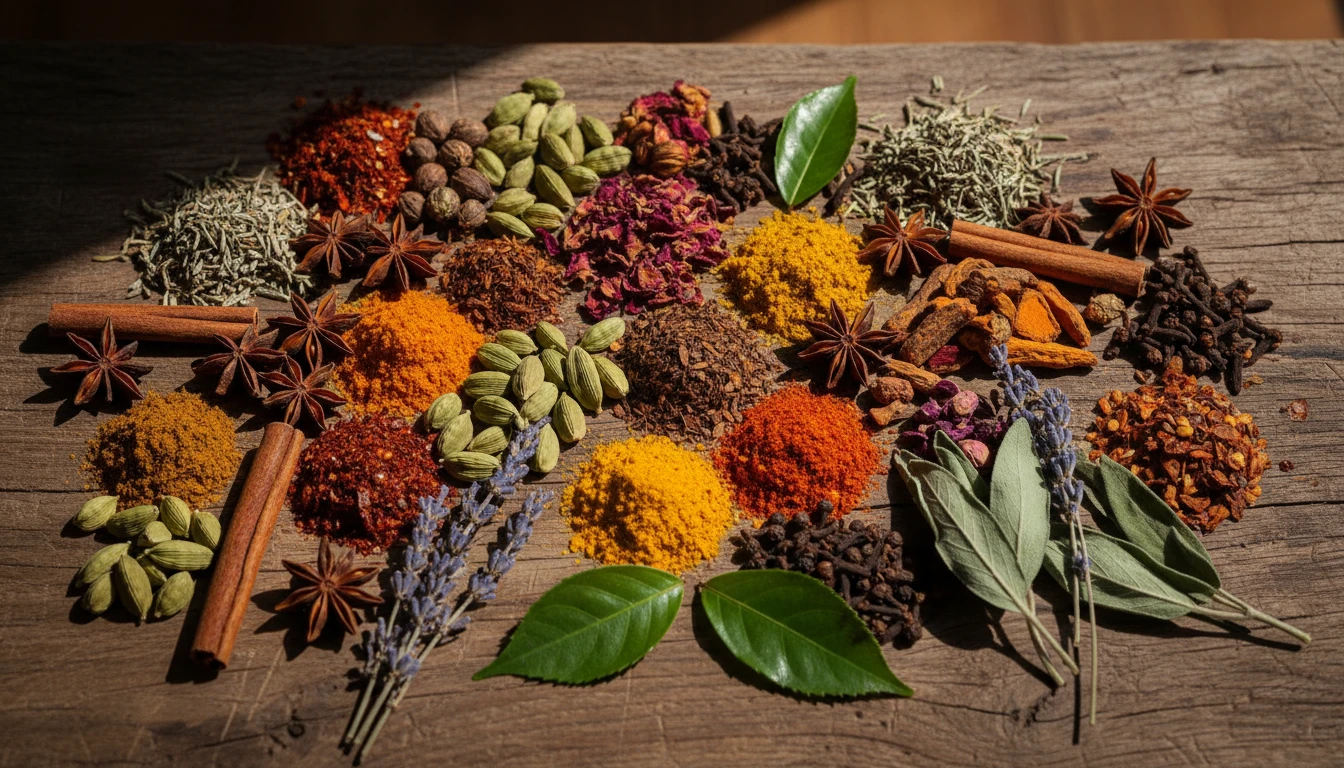
Beyond distance and farming methods, diners are captivated by the stories behind the ingredients themselves. Research shows that a compelling and honest brand story can forge an emotional connection and make a dining experience more memorable. This could be the tale of a rare, foraged herb from the Himalayas, a specific variety of millet once forgotten but now revived, or a cheese made by a small-town artisan. These narratives add a layer of authenticity and cultural depth to a meal, transforming it from mere sustenance into an experience. Restaurants are leaning into this by designing menus that read like journeys, complete with maps that chart the origins of key ingredients. This form of storytelling makes customers feel good about their choices and more connected to the food's heritage.
How the Industry is Responding
Chefs and restaurateurs across India are embracing this movement with creativity and commitment. Many are forging direct relationships with farmers, ensuring a steady supply of high-quality, seasonal produce that informs their evolving menus. Some establishments, like Kiyan at The Roseate in New Delhi, have taken it a step further by cultivating their own on-site organic farms. This allows for ultimate control over quality from seed to plate. This trend also fuels menu innovation, as chefs design dishes around what is seasonally available, leading to more creative and dynamic offerings throughout the year. This shift isn't just a marketing gimmick; it's a fundamental change in culinary philosophy, where sustainability and localism are becoming practical expectations, not just buzzwords.