


Understanding the Threat: What is Root Rot?
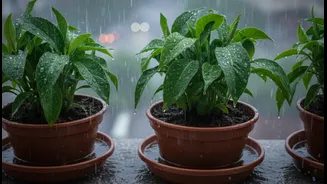
Root rot is a common and often fatal condition for container plants. It occurs when soil becomes waterlogged, cutting off the oxygen supply to the roots. Without air, roots can't function properly; they can't absorb water or nutrients, and they begin
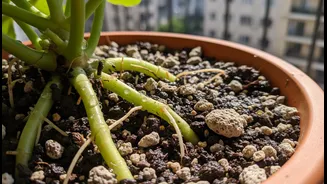
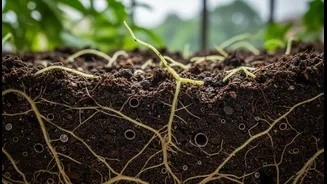
to suffocate and decay. This creates an ideal environment for fungi and bacteria that thrive in wet, low-oxygen conditions. The first signs often appear above ground: leaves may turn yellow, wilt, or droop, even when the soil is wet. You might also notice a musty or foul smell coming from the soil. Healthy roots should be firm and white or tan; rotting roots will be brown, black, and mushy to the touch.
Your Secret Weapons: Perlite and Sand
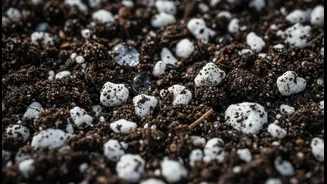
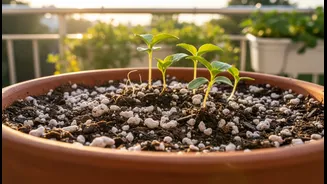
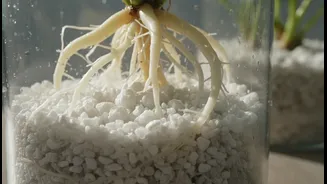
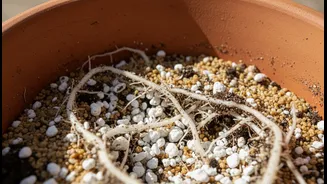
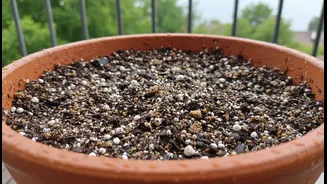
The key to preventing root rot is ensuring excellent drainage. This is where perlite and sand come in. Perlite is a volcanic glass that is heated until it pops into lightweight, porous white granules. These granules create air pockets in the soil, which helps improve both aeration and drainage, allowing excess water to flow through freely. Sand, specifically coarse horticultural sand, also improves drainage by increasing the space between soil particles. However, it is much heavier than perlite. For most balcony containers, perlite is the superior choice because it improves drainage without adding significant weight. A combination can also be effective, especially for plants like succulents that need very dry conditions.
The Pre-Rain Defence: Creating Your Ideal Soil Mix
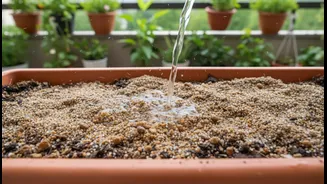
The best time to act is before the downpours begin. Amending your soil now will fortify your plants against the coming rains. For most balcony plants, a great all-purpose mix involves adding drainage material to a standard potting mix. A good rule of thumb is to aim for a mixture that is about 70-80% potting soil and 20-30% perlite. You can achieve this by combining three parts potting mix with one part perlite. If you're also using sand for plants that like it drier, a recipe could be 50% potting soil, 30% perlite, and 20% sand. The goal is to create a soil structure that holds enough moisture for the plant but allows the excess to drain away quickly, preventing the soggy conditions that lead to rot.
How to Fortify Your Existing Pots
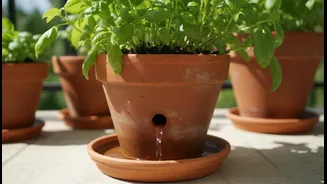
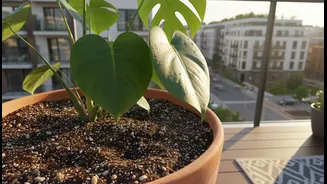
If your plants are already potted, you don't necessarily have to do a full repot. You can carefully remove the plant from its container, gently loosen the existing root ball, and mix in your amended soil as you place it back in the pot. If the pot is large, you can try to gently work the perlite and sand into the top few inches of soil with a hand fork, but repotting is more effective. This is also a good opportunity to check the pot’s drainage holes. Make sure they are clear and not blocked by compacted soil or roots. Elevating pots on small feet or bricks can also improve airflow and drainage, ensuring water doesn't pool in the saucer.
First Aid: Responding to Early Signs of Rot
If you suspect a plant is already suffering, you must act quickly. Gently remove the plant from its pot and wash the soil from the roots. Using clean, sharp scissors or pruning shears, trim away any roots that are brown, black, or feel mushy, leaving only the firm, healthy white roots. If you have to remove a significant portion of the roots, it's a good idea to prune back about one-third of the plant's leaves as well; this reduces the stress on the remaining roots as they recover. Finally, repot the plant in a clean pot with fresh, well-draining potting mix. Avoid the temptation to overwater it afterward; allow the top layer of soil to dry out before watering again.