



The Age of Panoramic Astronomy
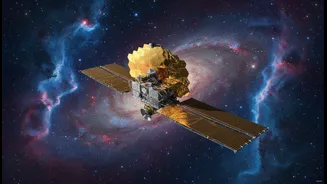
The next great leap in space observation isn't just about seeing farther, but also wider and faster. Enter NASA's Nancy Grace Roman Space Telescope, set to launch in the coming months. While telescopes like Hubble and the James Webb Space Telescope (JWST)
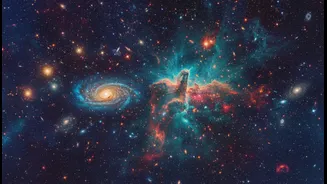
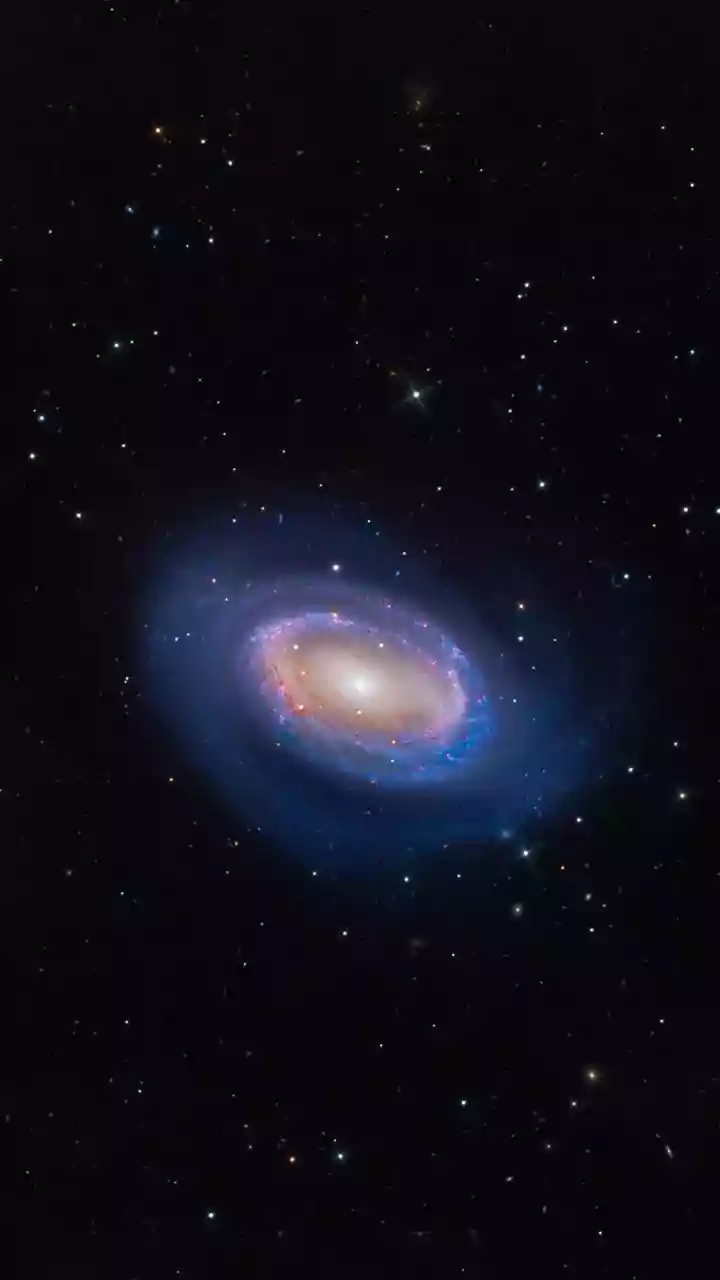
take deep, narrow views of specific cosmic targets, Roman is designed to be a survey instrument, capturing vast panoramic images of the sky. Its field of view will be at least 100 times larger than Hubble's, allowing it to map huge swathes of the Milky Way and distant galaxies with incredible speed. An image of the Andromeda galaxy that took Hubble over 400 separate observations to create, Roman will be able to capture in just two. This wide-angle lens on the cosmos will help scientists tackle epic mysteries like dark energy and hunt for thousands of new exoplanets.
Sharpening Our Gaze from the Ground
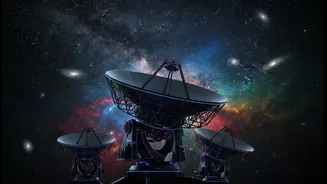
While space-based telescopes grab headlines, incredible innovation is happening right here on Earth. The biggest challenge for ground-based astronomy has always been our own atmosphere, which blurs and distorts light from distant stars—the same effect that makes them appear to twinkle. But new technologies are fighting back. Adaptive optics systems use powerful lasers to create artificial 'guide stars' in the upper atmosphere. By tracking how the laser light is distorted, the telescope's mirror can be adjusted in real time, thousands of times per second, to cancel out the atmospheric blur. More recently, AI-powered software is being developed to sharpen images even further, using deep-learning algorithms trained on data from space telescopes to remove atmospheric interference with unprecedented accuracy. This allows ground-based observatories to achieve clarity that can rival their orbital counterparts.
New Eyes on the Infrared Universe
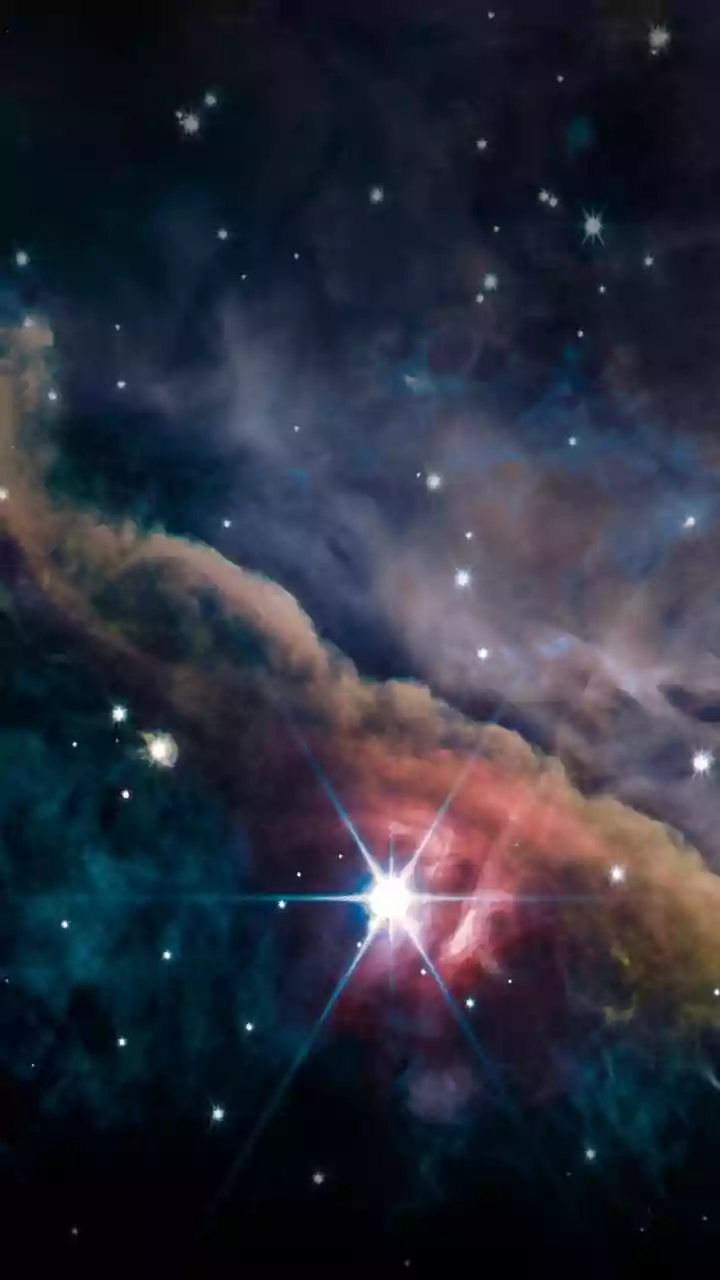
The James Webb Space Telescope has already revolutionized astronomy with its powerful infrared vision, which allows it to peer through clouds of gas and dust that are opaque to visible light. This has given us breathtaking views of stellar nurseries, the atmospheres of distant planets, and some of the earliest galaxies to form after the Big Bang. Celebrating four years of science operations in July 2026, JWST continues to build on its legacy. Its ability to see in infrared is crucial because light from the most distant objects is stretched into these longer wavelengths as the universe expands. By studying this ancient light, Webb acts as a time machine, giving us direct insights into how the first stars and galaxies formed.
The Next Frontier: Interferometry
Looking further ahead, astronomers are excited about the potential of space interferometry. This technique involves linking multiple smaller telescopes together to function as a single, enormous observatory. By combining the light they collect, they can achieve a resolution far greater than any single telescope could. While challenging, this method could one day allow us to image Earth-like planets around other stars in stunning detail. NASA and other agencies are actively exploring concepts for future missions that will use these techniques. One recent commercial effort is the Lazuli Space Observatory, which uses a large 3.1-meter aperture and advanced materials to provide exceptionally sharp and stable imagery for precision science. These advancements are paving the way for future observatories that will not just find planets, but characterize them.