


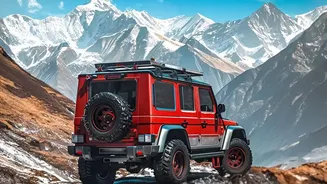
Fortifying Your Vehicle for the Mountains
Your vehicle is your lifeline on this remote route, and preparing it is non-negotiable. Begin with a thorough service from a trusted mechanic. Key areas to focus on include brakes, as the long descents from high passes put immense strain on them. Ensure
your brake pads have plenty of life left. Tyres are equally critical; they should have at least 70-80% tread remaining to handle the unpredictable patches of gravel, mud, and water crossings. All-terrain tyres are a worthy investment for better grip. Also, check the suspension, get the engine oil changed, and top up the coolant to prevent overheating on steep ascents. Given that fuel is unavailable for a stretch of about 345 km between Tandi and Karu, carrying a spare jerry can with 10-20 litres of fuel is essential. Lastly, pack a basic toolkit, including a puncture repair kit, a portable tyre inflator, and spare headlight bulbs.
Acclimatization: The Golden Rule for Passengers
The rapid altitude gain on the Manali-Leh route makes Acute Mountain Sickness (AMS) a serious risk. The journey involves crossing multiple passes above 4,000 metres, and your body needs time to adapt to the lower oxygen levels. The most crucial rule is to ascend gradually. Instead of a two-day dash, plan a three-day journey. Spend your first night at a moderate altitude like Keylong or Jispa (around 3,300 metres). Sleeping at very high-altitude camps like Sarchu on the first night is not recommended as it significantly increases the risk of AMS. The ideal approach is to travel from Srinagar to Leh first, acclimatize in Leh for a few days, and then enjoy the Manali highway on the return journey when your body is better prepared.
Listening to Your Body: Recognizing AMS
Knowing the symptoms of AMS is critical. Early signs include headache, nausea, dizziness, fatigue, and loss of appetite. If you experience these, do not ascend further. Rest, hydrate, and allow your body to adjust. Staying hydrated is paramount; aim to drink at least three to four litres of water daily. Avoid alcohol and smoking, as they can worsen symptoms. Some travellers consult a doctor about taking acetazolamide (Diamox) 24 hours before ascent, but this should only be done with medical advice. In case of severe symptoms like confusion, loss of coordination, or breathlessness even at rest, descend to a lower altitude immediately—it's the only cure.
Packing Essentials for Safety and Comfort
Packing for the Manali-Leh trip is about preparing for all eventualities. Layering is the most effective way to dress. Carry thermal inners, fleece jackets, and a windproof and waterproof outer layer. Temperatures can swing dramatically, so pack warm hats, gloves, and woollen socks. For your medical kit, include basics for pain relief, motion sickness, and any personal prescriptions. A small, portable oxygen cylinder can be a lifesaver in an emergency. Also, pack high-energy snacks like nuts and chocolate bars, a powerful torch, power banks for your electronics, and offline maps, as network connectivity is patchy at best after Keylong. Don't forget sunscreen and sunglasses, as the sun at high altitudes is incredibly harsh.
Navigating the Route and Permits
The best time to travel the Manali-Leh highway is from June to September when the road is generally clear of snow and maintenance work is mostly complete. The route itself is roughly 430 km long since the opening of the Atal Tunnel, which bypasses the challenging Rohtang Pass. While an Inner Line Permit (ILP) is not required to travel on the main highway for Indian nationals, you will need one to visit protected areas off the main route, like Pangong Tso, Nubra Valley, or Tso Moriri. These can be obtained online via the official Leh district portal. Always check the live road status before you leave, as conditions can change quickly due to weather.