







The Sweet but Empty Promise
For decades, non-nutritive sweeteners (NNS) or sugar substitutes have been hailed as a key tool for weight management and health. The logic is simple: you get the sweet taste you crave without the calories or the blood sugar spike. Found in everything
from 'diet' sodas to 'sugar-free' snacks, common substitutes include artificial options like aspartame and sucralose, and natural ones like stevia. The World Health Organization (WHO), however, has shifted the conversation. In a notable guideline, the WHO advised against using these sweeteners for long-term weight control, citing a lack of evidence for lasting benefits. More surprisingly, the review pointed towards potential undesirable effects from long-term use, including an increased risk of type 2 diabetes and cardiovascular diseases in adults.
The Gut and Brain Disconnect
One of the primary concerns revolves around how our bodies react to sweetness without substance. When you taste something sweet, your brain anticipates an influx of energy in the form of calories. Sugar substitutes deliver the sweet signal without the caloric payload. Over time, some researchers believe this can confuse the body's learned response, potentially affecting appetite regulation and cravings. Even more critical is the impact on your gut microbiome. Far from being inert, these sweeteners travel through your digestive system and can interact with the trillions of bacteria living in your gut. Studies have shown that sweeteners like saccharin and sucralose can alter the balance of gut bacteria, a condition known as dysbiosis. This imbalance is linked to issues like impaired glucose metabolism and inflammation, which are key drivers of metabolic problems.
A Confused Insulin Response
The relationship between sugar substitutes and insulin is complex and a hotbed of research. While they don't contain sugar, some studies suggest certain sweeteners may still prompt an insulin release. This could happen because the sweet taste alone is enough to trigger a hormonal response in some individuals, or because of changes in gut hormones prompted by the sweeteners. If the body repeatedly releases insulin without the presence of glucose to manage, it could theoretically contribute to insulin resistance over time, a precursor to type 2 diabetes. While the evidence is still being debated and varies between different sweeteners and individuals, the idea that they are metabolically neutral is being seriously questioned.
Not All Substitutes Are the Same
It's important to recognize that 'sugar substitute' is a broad category. Research suggests different types can have varying effects. Synthetic sweeteners like sucralose and saccharin have been shown in some studies to cause more significant disruptions to gut microbe diversity compared to naturally-derived options. For example, one study found sucralose could enrich potentially harmful bacteria families in the gut. In contrast, some research indicates natural sweeteners like stevia and monk fruit may have a more neutral or even beneficial impact, with one study showing stevia preloads helped lower post-meal insulin levels compared to both sucrose and aspartame. However, even with natural options, the WHO recommendation remains cautious, grouping all non-sugar sweeteners together in its advice against using them for weight control.
Rethinking Your Relationship with Sweetness
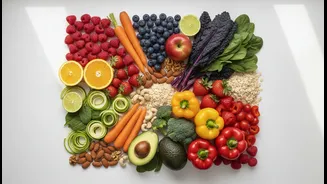
Ultimately, the debate over sugar substitutes points to a bigger question about our dietary habits. Relying heavily on substitutes might mean you are still consuming a large number of highly processed foods and maintaining a preference for intensely sweet tastes. The WHO's Francesco Branca put it best: "People should reduce the sweetness of the diet altogether, starting early in life, to improve their health." Rather than seeking the perfect 'hack' to satisfy a sweet tooth, the most effective long-term strategy for metabolic health may be to gradually reduce your overall reliance on sweetness. This means prioritizing whole foods like fruits, which contain natural sugars bundled with fibre and nutrients, and retraining your palate to appreciate less intensely sweet flavours. The goal isn't to eliminate sweetness, but to shift the source from artificial additives back to nature.