





What Is Slow Travel, Anyway?
Before we dive into the rain-soaked landscapes, let's unpack what 'slow travel' really means. It’s a mindset that prioritises connection over checklists. Instead of rushing between sights, you immerse yourself in one place. It’s about choosing depth over distance,
spending days instead of hours, and experiencing a destination's rhythm. You might stay in a local homestay, learn to cook a regional dish, or simply spend an afternoon watching the world go by from a veranda. It’s travel that values a genuine sense of place, allowing you to return home with stories, not just snapshots.
The Monsoon's Allure: More Than Just Rain
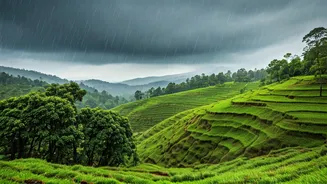
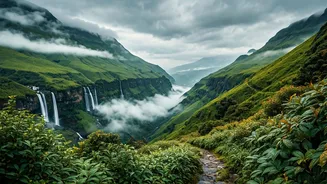
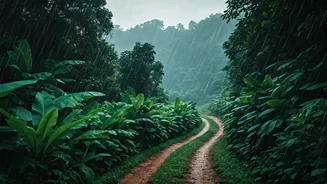
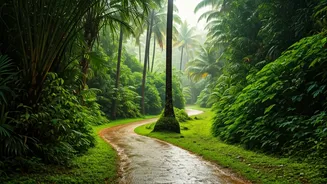
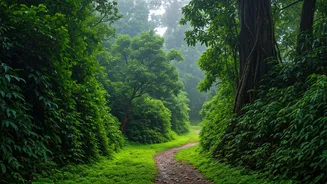
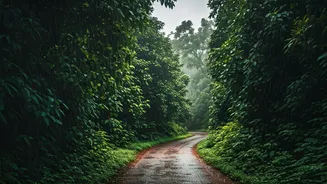
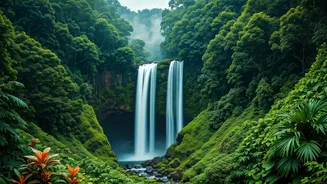
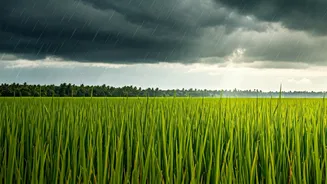
For years, travellers were told to avoid Kerala's monsoon. But that's changing. The rainy season, from roughly June to September, is now being recognised as the state's secret weapon for an authentic experience. The landscape transforms, with hills turning a vibrant, impossible green and waterfalls, once mere trickles, now roaring with life. The myth of non-stop downpours is just that—a myth. Most days feature cycles of intense rain followed by periods of bright sunshine that make the entire landscape glisten. This dramatic weather creates an atmosphere of peace and introspection, perfect for unwinding.
An Ayurvedic Reboot, Powered by Humidity
One of the biggest draws of monsoon travel in Kerala is Ayurveda. This ancient system of wellness has long held that the rainy season is the ideal time for treatments. The logic is simple yet profound: the cool, humid air and moisture-rich atmosphere cause the body's pores and channels (srotas) to open up. This makes the skin more receptive to medicated oils and therapies, enhancing their effectiveness. Treatments like Panchakarma, a deep detoxification process, are believed to be more beneficial during this time, helping to pacify the body's doshas which get aggravated by seasonal changes. It's an opportunity for a true system reset, leaving you feeling rejuvenated from the inside out.
Fewer Crowds, Fuller Experiences
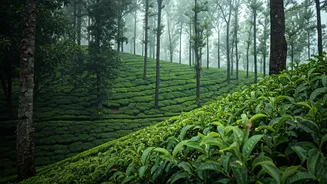
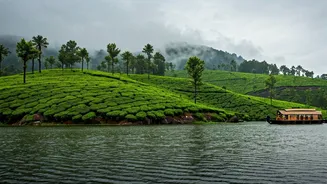
Perhaps the most practical benefit of a monsoon trip is the lack of crowds. Popular spots in Munnar, Alleppey, and Thekkady, which are often packed during the peak winter season, become quiet and serene. This allows for a more personal and immersive experience, whether you're cruising the backwaters on a houseboat or walking through misty tea plantations. With fewer tourists, you can connect more deeply with the local culture, enjoy personalised attention, and savour the quiet moments. Plus, this is the off-season, which means significant discounts on flights and luxury stays, making a tranquil escape much more budget-friendly.
Embracing the Rainy Day Itinerary
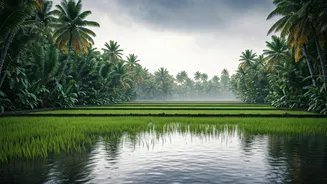
So, what does one do in a rainy Kerala? The answer is to lean into the pace. Spend a night on a houseboat in Alleppey, listening to the rain tap on the roof as you glide through swollen backwaters. In hill stations like Munnar or Wayanad, watch clouds drift across tea estates from the comfort of a cosy resort. Explore spice plantations where the aroma of cardamom and pepper hangs heavy in the moist air. The monsoon doesn't shut Kerala down; it transforms it into a living, breathing spectacle of nature. It encourages you to stop rushing and simply be present.