







What is Payment Hygiene, Really?
The term “hygiene” might bring to mind cleaning or personal health, and in a financial sense, it’s not far off. Payment hygiene is the practice of consistently managing your financial obligations in a clean, orderly, and secure manner. It’s not about
complex investment strategies; it’s about the foundational discipline of handling your payments. [6] This includes everything from paying your bills on time to regularly reviewing your bank statements, managing online subscriptions, and protecting your financial data from threats. [16, 10] Just like good personal hygiene prevents illness, good payment hygiene prevents financial distress like late fees, hits to your credit score, and the mental anxiety of disorganisation. [10]
The High Cost of Neglect
Ignoring your payment habits can have significant consequences. Payment history is the single most important factor in determining your credit score, accounting for up to 35% of it. [15, 22] A single missed or late payment can cause a significant drop in your score, especially if you have a high score to begin with, and can remain on your credit report for up to seven years. [15, 28] A lower credit score makes it harder and more expensive to get loans for a car or home. Beyond your credit score, poor payment hygiene leads to a cascade of expensive problems: late fees, penalty interest rates, and the risk of falling into a debt trap where paying off your balances feels impossible. [28] This financial stress can also take a toll on your psychological well-being. [10]
Habit 1: Automate and Simplify
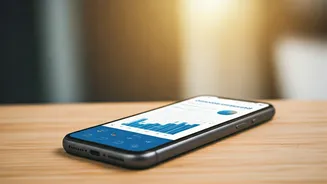
The easiest way to ensure bills are paid on time is to take yourself out of the equation. Setting up automatic payments for recurring bills like utilities, loan EMIs, and credit card minimums is a powerful first step. [5, 26] This eliminates the risk of simply forgetting a due date. [12] Many banks and service providers allow you to set this up directly. [5, 29] For an even simpler system, consider consolidating your due dates. Many credit card companies allow you to change your payment due date to align with your payday, ensuring you have the funds available when the bill comes. [10] You can also use apps that bring all your bills and subscriptions into one place, providing a single dashboard for your financial obligations. [26]
Habit 2: The Weekly Financial Check-In
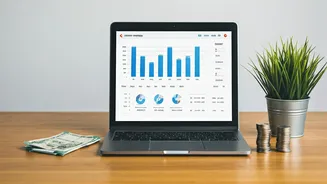
Automation is powerful, but it’s not a substitute for awareness. Set aside a specific time each week—even just 15 minutes—to review your finances. [29] During this check-in, review your bank and credit card transactions to ensure there are no fraudulent charges or incorrect billings. [17] Look at your upcoming bills to make sure you have enough funds in your account to cover automatic payments. [29] This is also the perfect time to evaluate your subscriptions. Are you still using that streaming service or fitness app? A regular check-in helps you cut unnecessary expenses and prevent “subscription creep,” where small monthly charges add up over time. [10, 4]
Habit 3: Fortify Your Digital Wallet
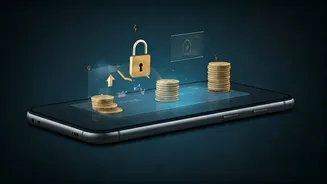
In today's world, payment hygiene is also about digital security. Protecting your financial information is crucial. Always use strong, unique passwords for each of your financial accounts and enable two-factor authentication (2FA) whenever possible. [3, 21] This adds an extra layer of security, often by requiring a code from your phone to log in. [21] Be wary of making payments on public Wi-Fi networks, which can be insecure; use a VPN if you must. [17] Furthermore, understand the security features of your payment methods. Technologies like tokenization replace your actual card number with a unique digital “token,” making transactions much safer. [2, 3] Using digital wallets like Apple Pay or Google Pay can also enhance security through features like biometrics and tokenization. [27]