





Gujarat: A Platter of 'Farali' Delights
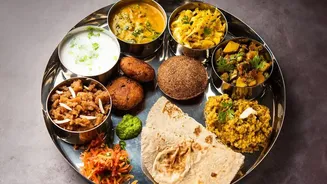
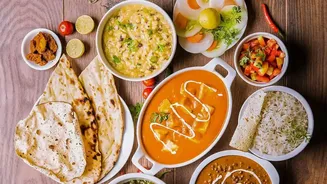
In Gujarat, Navratri fasting is anything but restrictive. The state is famous for its elaborate 'farali' (fasting) cuisine, which transforms permitted ingredients into a spectacular feast. A typical Gujarati Navratri thali is a masterclass in texture
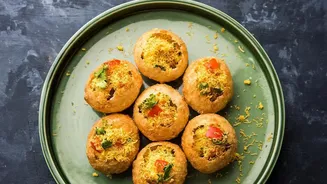
and flavour. You'll find soft Rajgira puris, made from amaranth flour, served alongside a sweet and tangy potato curry. Another star is the Farali Pattice, a crispy potato casing filled with a sweet and spicy mixture of coconut, nuts, and raisins. For a lighter meal, there's Moraiyo or Sama Khichdi, a barnyard millet preparation that is both nourishing and comforting. The array of dishes showcases how creativity blossoms within the framework of fasting rules, making every meal a celebration.
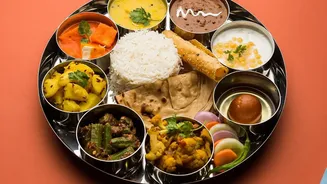
West Bengal: The Grand Durga Puja Bhog
In West Bengal, Navratri coincides with the state's biggest festival, Durga Puja. Here, the focus isn't on fasting but on feasting. The culinary heart of the celebration is the 'bhog'—a food offering made to the Goddess Durga, which is then distributed to devotees. This communal meal is strictly vegetarian and cooked without onions or garlic. The quintessential bhog item is a flavourful Khichuri, a rice and lentil dish made with aromatic Gobindobhog rice. It's typically served with Labra, a sublime mixed-vegetable curry, deep-fried eggplant slices called Begun Bhaja, and a sweet and tangy tomato and date chutney. This is not a fast, but a grand community feast celebrating devotion and togetherness through shared food.
Tamil Nadu: The Nine Days of Sundal
Travel south to Tamil Nadu, and you'll discover a unique and wholesome Navratri tradition centred around 'sundal'. During the festival, homes display a 'Golu', an elaborate arrangement of dolls and figurines. Friends and family visit each evening, and guests are offered a different kind of sundal each day as prasadam. Sundal is a simple yet protein-packed dish made from legumes. The chosen legume—which could be chickpeas, black-eyed peas, peanuts, or green gram—is soaked, boiled, and then tempered with mustard seeds, curry leaves, and grated coconut. Each day brings a new variety, creating a nine-day culinary calendar that is both nutritious and deeply rooted in social and religious customs.
Maharashtra: The Comfort of Sabudana
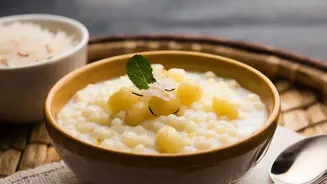
Maharashtra shares its love for 'faral' food with neighbouring Gujarat, but with its own distinct specialties. Sabudana (tapioca pearls) is the undisputed king of the Maharashtrian fasting kitchen. While Sabudana Khichdi is popular across India, the version here, studded with roasted peanuts, is iconic. Another beloved snack is the Sabudana Vada, a deep-fried patty of tapioca and potato that is crispy on the outside and wonderfully chewy within, often served with a sweet yogurt dip. For a more substantial meal, many enjoy Sabudana Thalipeeth, a savoury pancake made from a dough of sabudana, potatoes, and peanuts, pan-fried to perfection. These dishes provide the energy needed for fasting while being incredibly delicious.
North India: The Rustic Staples
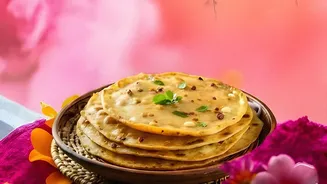
Across North India, including states like Punjab, Haryana, and Uttar Pradesh, Navratri fasting involves a return to traditional, earthy ingredients. Flours like Kuttu (buckwheat) and Singhara (water chestnut) replace wheat. Kuttu ki Puri, a deep-fried, nutty-flavoured bread, is a festive staple, often paired with a simple potato curry made with rock salt (sendha namak). Singhare ke Atte ka Halwa, a rich and dense sweet pudding, is another delicacy prepared during this time. These dishes are hearty, flavourful, and designed to keep devotees satiated through their fast, embodying a spirit of rustic simplicity and devotion.
The Hills of Kumaon: Simple and Soulful
In the serene hills of Kumaon in Uttarakhand, the food is a reflection of the landscape—simple, nutritious, and flavourful. While the standard fasting rules are observed, local preparations are adapted for the festival. Aloo ke Gutke, a popular Kumaoni dish of stir-fried potatoes, is prepared using rock salt and minimal spices like cumin and green chillies, making it a perfect vrat dish. This is often paired with a Kumaoni Raita or a simple buckwheat roti. The cuisine highlights the use of fresh, local produce, offering a clean and soulful way to observe the Navratri fast, away from the more elaborate preparations of the plains.