

Embrace Lentils and Legumes
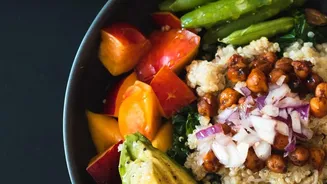
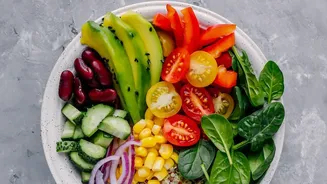
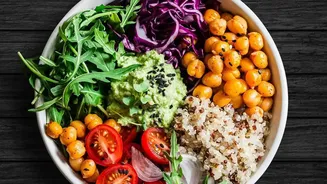
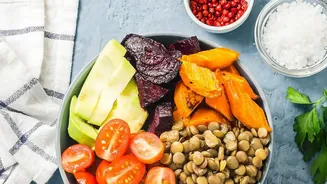
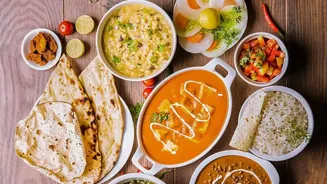
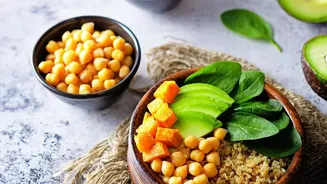
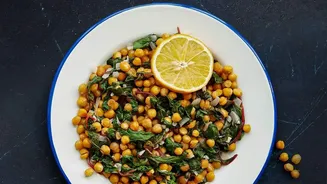
Lentils, or dal, are a cornerstone of Indian vegetarian cooking and for good reason. A single cooked cup can offer around 18 grams of protein, along with essential fibre and iron. The same goes for other legumes like chickpeas (chana) and kidney beans
(rajma), which provide about 15 grams per cup. These are not only budget-friendly but incredibly versatile. A simple dal tadka, a hearty chana masala, or a rajma curry served with rice creates a wholesome meal. Combining legumes with a grain like rice or roti helps create a complete protein, providing all the essential amino acids your body needs.
Power Up with Paneer and Tofu
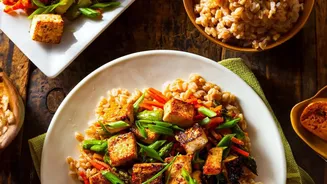
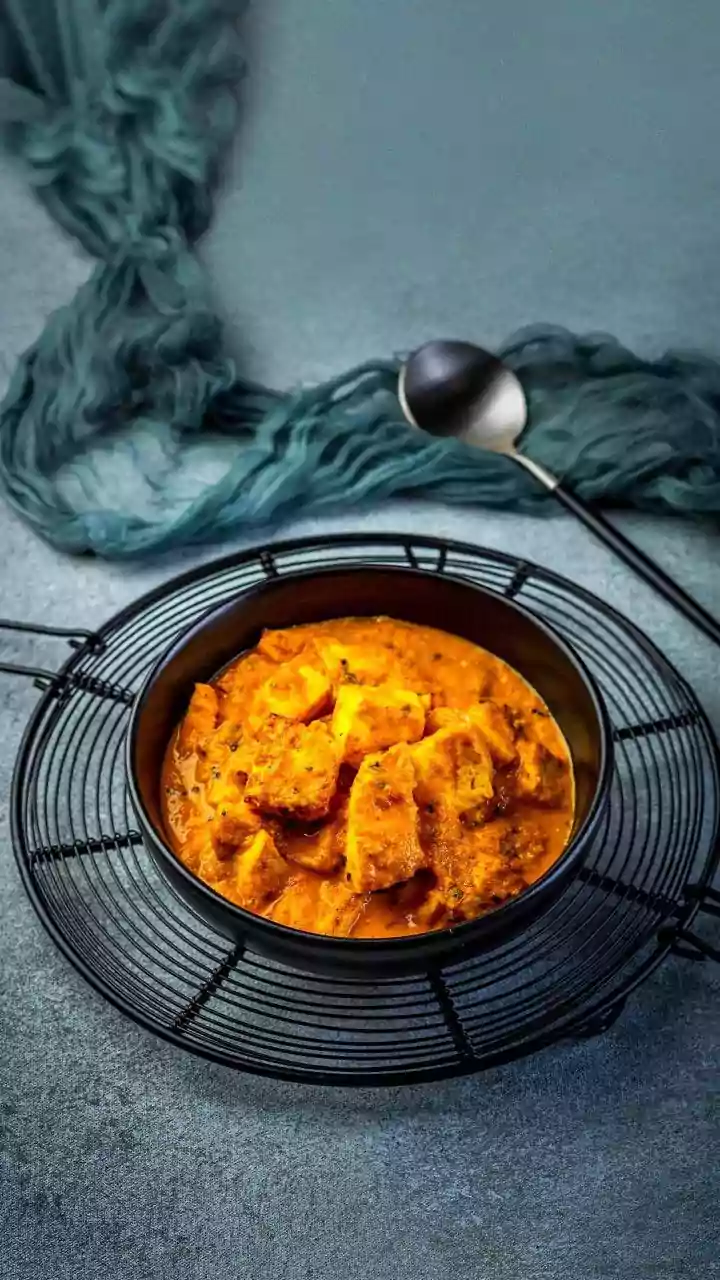
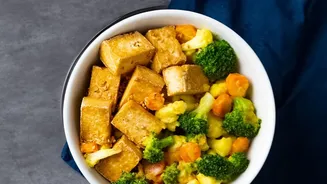
Paneer is a beloved fresh cheese that acts as a fantastic protein source, with a 100-gram serving containing roughly 18 to 21 grams of protein. It's an easy way to make any dish more substantial. For a quick and protein-rich meal, a paneer bhurji (scramble) with onions and tomatoes takes only minutes to prepare. For a vegan alternative, tofu is an excellent choice. While its protein content is slightly lower, around 8 to 10 grams per 100g, its neutral flavour makes it a perfect addition to stir-fries and curries. Both paneer and tofu absorb flavours beautifully, making them star players in countless recipes.
Go Greek with Yogurt
Greek yogurt, or hung curd, is a simple yet powerful way to boost your protein intake. It contains nearly double the protein of regular curd, with a serving offering around 10 grams. It's incredibly versatile and can be used in both sweet and savoury dishes. Start your day with a bowl of Greek yogurt topped with fruit and a sprinkle of seeds, or use it as a base for a creamy curry, a cooling raita, or a marinade to tenderise paneer or vegetables. Its thick texture and tangy flavour add richness and a protein kick to any meal with minimal effort.
Don't Forget Nuts and Seeds
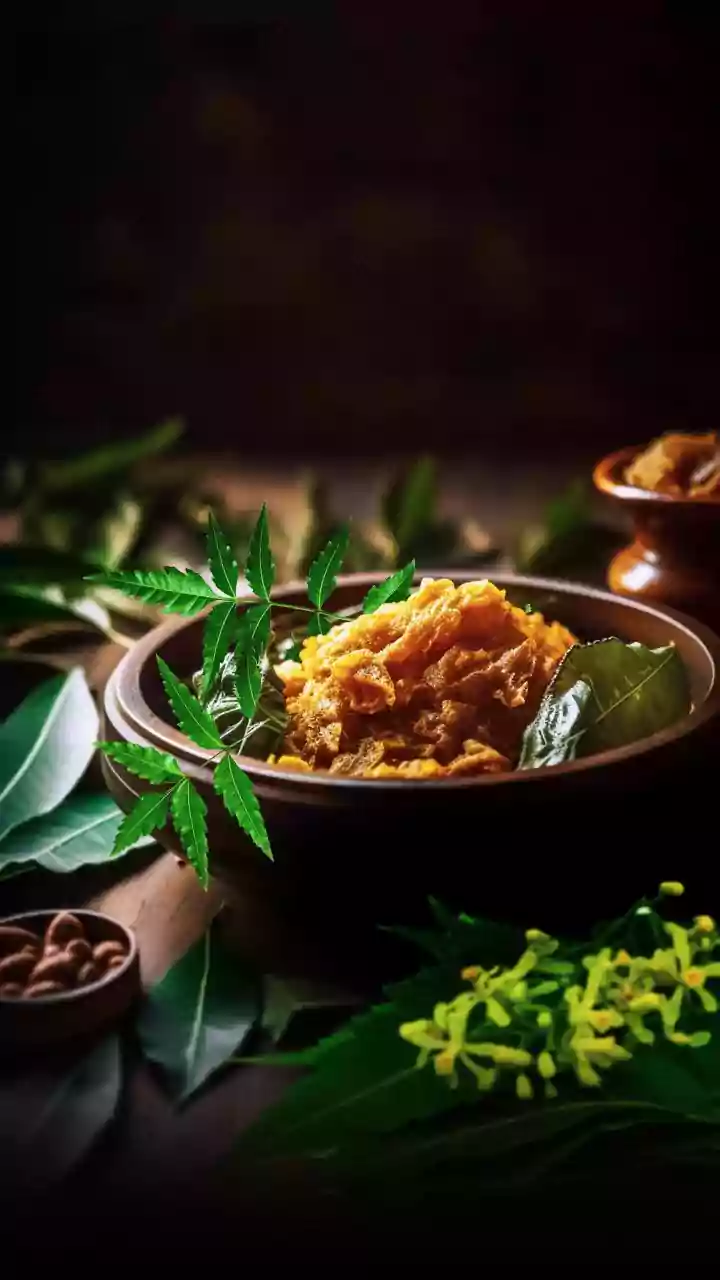
Nuts and seeds are an effortless way to add a protein and texture boost to your meals. A handful of peanuts can provide around 8 grams of protein, while just two tablespoons of pumpkin seeds contain about 7 grams. They can be sprinkled over salads, oatmeal, and yogurt, or blended into sauces and chutneys. Peanut chutney, for example, is a delicious and protein-dense accompaniment to many South Indian breakfasts. Chia seeds and flaxseeds are also great additions to smoothies or curd, adding protein, fibre, and healthy fats.
Master Smart Combinations
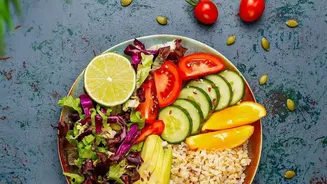
The key to a successful vegetarian diet isn't just about individual ingredients, but how you combine them. Most plant-based foods are 'incomplete' proteins, meaning they lack one or more essential amino acids. However, pairing them correctly creates a complete protein profile. The classic dal-chawal (lentils and rice) is a perfect example. Other powerful combinations include a peanut butter sandwich on whole-wheat bread, hummus with pita, and bean curry with roti. By eating a varied diet that includes grains, legumes, nuts, and seeds throughout the day, you naturally ensure your body receives all the building blocks it needs.