






A Subdued Second Half Forecast
The IMD's latest outlook, issued at the end of July, predicts that rainfall for the country as a whole during the August-September period is likely to be below normal. Specifically, the forecast suggests precipitation will be less than 94% of the Long
Period Average (LPA). This projection follows a volatile first half of the season, which saw a significant deficit in June followed by a recovery in July that brought cumulative rainfall closer to normal levels. The month of August, in particular, is also expected to see below-normal rainfall, a critical detail for standing Kharif crops. This overall weaker forecast for the latter part of the monsoon adds a layer of concern for various sectors reliant on seasonal rains.
The El Niño Effect
A key factor influencing this subdued forecast is the presence of moderate El Niño conditions over the equatorial Pacific Ocean. The IMD has noted that these conditions are expected to strengthen further throughout the remainder of the monsoon season. Historically, El Niño years in India are often correlated with weaker monsoon performance and below-average rainfall. While a positive Indian Ocean Dipole (IOD), which can counteract El Niño's drying effect, might develop in September, current conditions are neutral. Experts are watching this interplay closely, but the strengthening El Niño remains the dominant atmospheric driver behind the forecast for a drier end to the monsoon.
Implications for Indian Agriculture
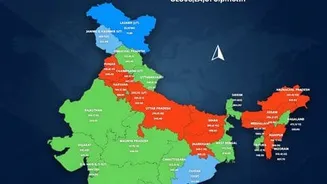
For India's farmers, the spatial and temporal distribution of this predicted rainfall is everything. While the nationwide average is expected to be low, the IMD forecast indicates a complex regional picture. Some parts of Peninsular India, Central India, and East and Northeast India may still receive normal to above-normal rainfall. However, many other key agricultural belts face the prospect of a rainfall deficit. After July's rains helped accelerate sowing operations that were delayed in June, a dry August could introduce moisture stress for crops at a critical growth stage. This variability underscores the need for farmers to stay updated with localised advisories and consider contingency measures, such as efficient water use and crop management strategies, to mitigate potential impacts on yields.
Water Reservoirs and Urban Planning
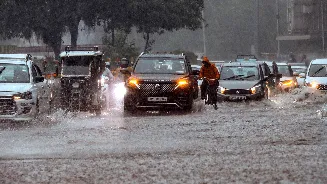
Beyond the fields, the monsoon's performance directly affects water levels in India's major reservoirs, which are vital for drinking water supply, power generation, and winter crop irrigation. July's rainfall brought some relief to reservoir levels after a dry June, but a weaker second half could halt or reverse that progress. For urban centres, a below-normal forecast might seem like a reprieve from flooding, but it carries its own risks related to water scarcity in the post-monsoon months. Paradoxically, even in a drier season, the risk of extreme rainfall events in localised areas remains, a pattern witnessed in July where some regions flooded while others remained dry. This highlights the dual challenge for city planners: managing both potential water shortages and the ever-present threat of sudden, intense downpours.