




A Legacy of Layered Flavours
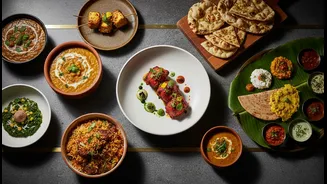
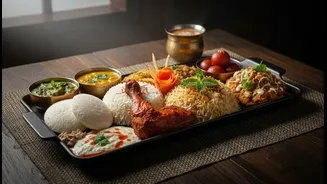
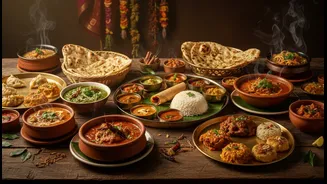
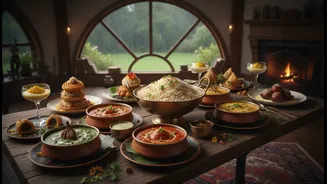
To understand where Indian cuisine is going, it is crucial to appreciate where it comes from. For centuries, Indian cooking has been a masterclass in flavour complexity, defined by the artful layering of spices and aromatics. From the pungent mustard-kasundi
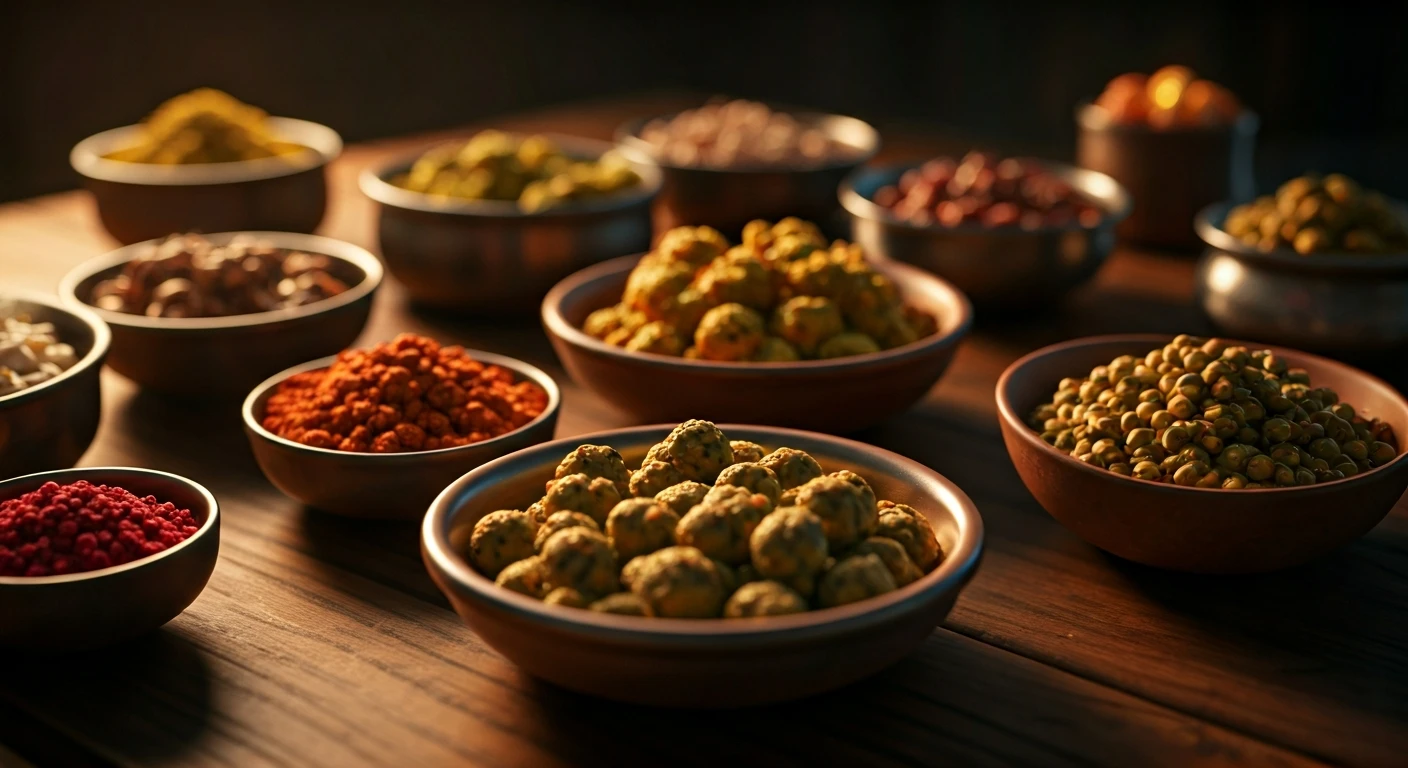
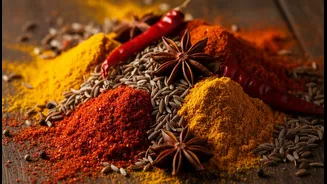
notes of Bengal to the fiery Chettinad spice mixes of the south, regional cuisines have always celebrated intensity. This isn't just about heat; it's about a symphony of tastes—sour, tangy, pungent, and spicy—that create a complete sensory experience. Classic masalas like garam masala and pav bhaji masala are timeless symbols of this flavourful heritage, representing comfort, nostalgia, and a taste that consumers remain loyal to.
The Global Palate Comes Home
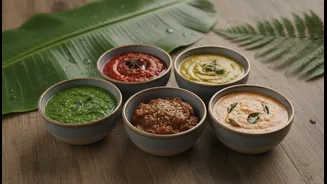
The current trend, however, is not just a revival but an expansion. Indian consumers, especially younger, urban populations, are more exposed to global food formats than ever before. This has ignited a curiosity and an appetite for new kinds of boldness. The sauces and dips market in India is seeing significant growth, driven by a demand for international cuisines like Thai, Mexican, and Korean. Fiery Korean sauces, tangy Mexican salsas, and aromatic Thai curries are no longer niche interests but are actively sought after. This influx has encouraged Indian palates to become even more adventurous, seeking out bolder, more fiery flavours beyond traditional chutneys and pickles.
Not Just Heat, But Nuanced Intensity
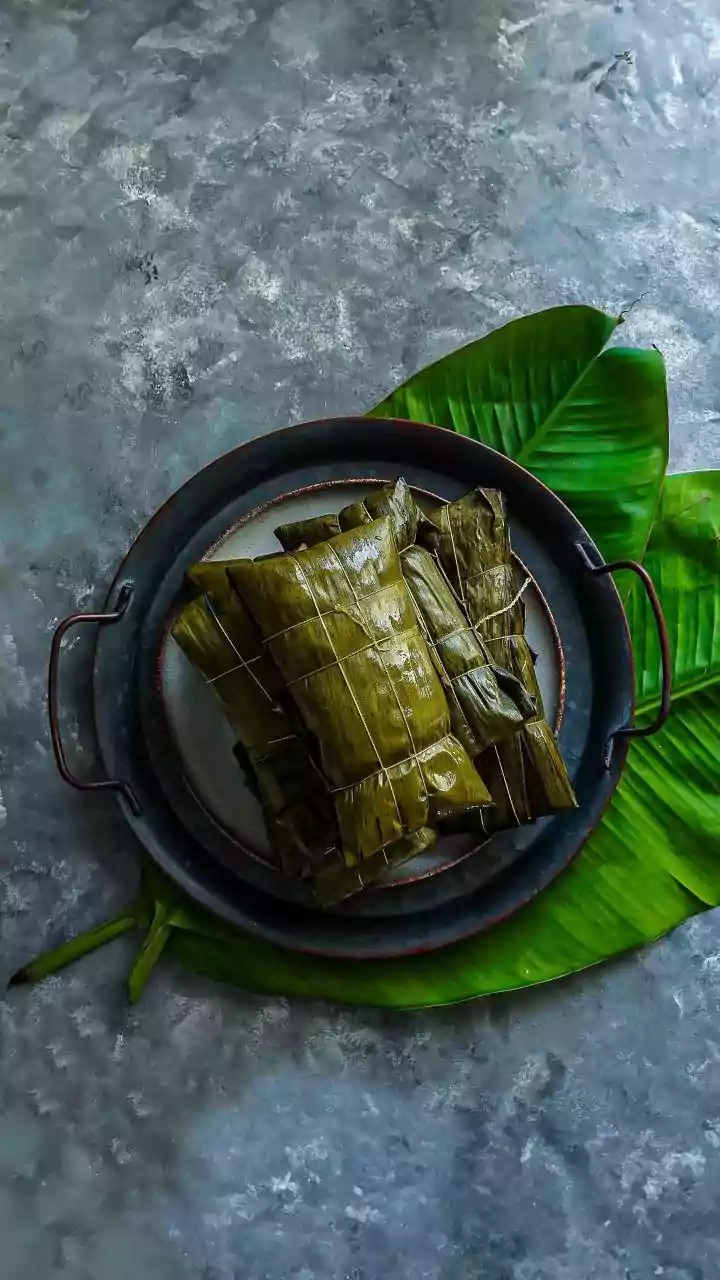
The growing love for bold flavours is not a one-dimensional quest for pure spiciness. There's a rising appreciation for complex and layered profiles, where heat is balanced with other elements. The fusion of sweet and savoury, such as mango and chili or tamarind and jaggery, is gaining popularity. At the same time, there's a renewed interest in authentic regional tastes that offer a different kind of intensity—the sourness of kokum, the pungency of raw mango, and the unique spice blends from areas like Rajasthan (Laal Maas) and Goa (Xacuti). Modern chefs are moving beyond generic "Indian" menus to celebrate this hyperlocal diversity, introducing diners to lesser-known ingredients and the stories behind them.
The Rise of Hot Sauce and DIY Boldness
A clear indicator of this trend is the booming hot sauce market. While India is one of the world's largest producers of chillies, only a fraction has historically been turned into value-added products like sauces. That is rapidly changing. As consumers experiment more with fast food and global recipes at home, the demand for hot sauces—from those featuring local chillies like Guntur and Naga to international styles like Sriracha—is surging. This reflects a shift where consumers want to customise their own flavour intensity, adding a 'punch' of heat and flavour to everything from pizza to homemade chaat. This trend is driven by younger consumers in particular, who are keen to experiment with adventurous flavours.
A Confident Culinary Future
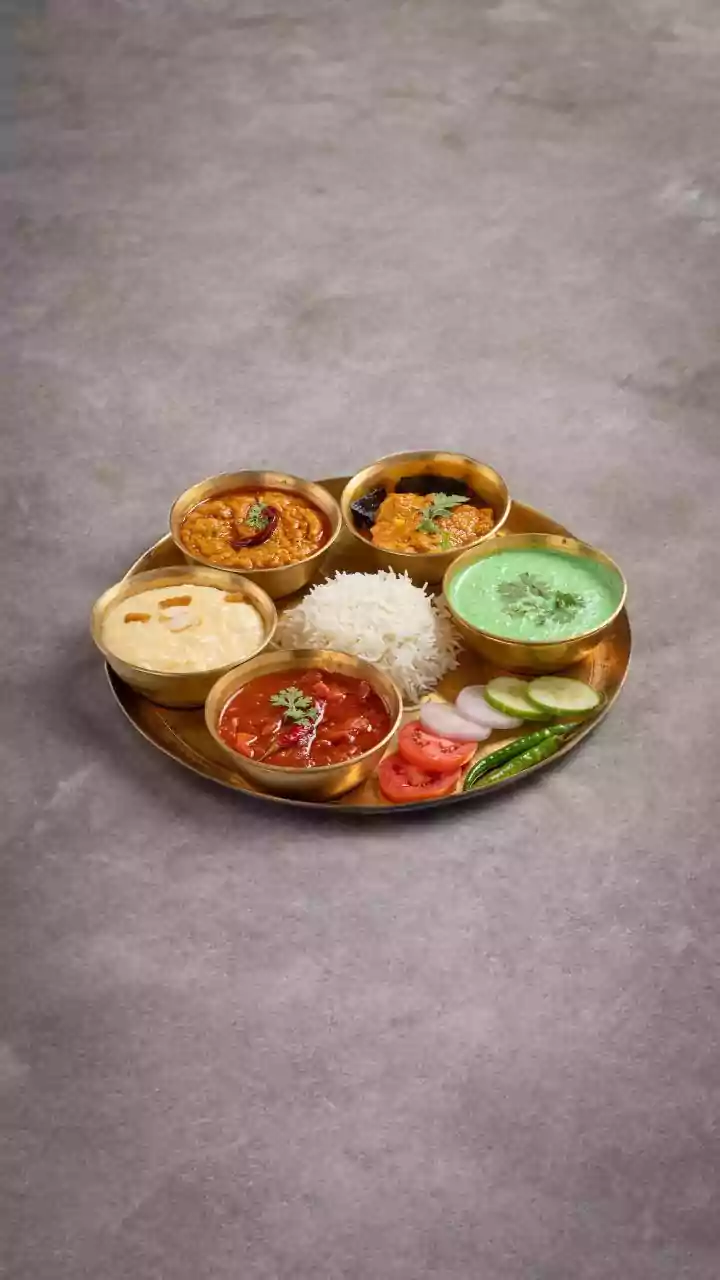
What we are seeing is the evolution of a confident culinary identity. Indian chefs are no longer trying to tone down flavours for an international audience; instead, they are proudly presenting regional recipes and local ingredients in their full glory. The modern Indian kitchen embraces both a millet porridge and an iced matcha, finding room for coastal Indian sour notes alongside Korean spice profiles. This 'emotional duality', as some in the industry call it, combines the 'crave' for intensity and indulgence with the 'care' of comfort and familiarity. This blend of pride in local heritage and an open curiosity towards global trends is creating a vibrant and exciting food landscape.