



Understanding the Seated Forward Bend
Paschimottanasana translates from Sanskrit to 'Intense Stretch of the West,' with 'west' referring to the back of the body. This foundational pose involves sitting with your legs extended and folding your torso forward. It’s celebrated for its ability
to lengthen the hamstrings, stretch the spine, and calm the nervous system. While it looks simple, proper technique is essential to reap its benefits and avoid strain, especially in the lower back. The goal isn't necessarily to touch your head to your knees, but to create a long, even stretch along the entire posterior chain of the body.
The Critical Role of Flexed Feet
In most yoga classes, you'll be instructed to flex your feet in this pose, meaning you pull your toes toward your shins. This action, known as dorsiflexion, is not arbitrary. Flexing the feet actively engages the muscles on the front of your shins (tibialis anterior) and quadriceps. This engagement helps protect the knee joint and initiates a deeper, more controlled stretch in the calf muscles and hamstrings. By keeping the feet flexed, you create a continuous line of tension that distributes the stretch more evenly from your heels all the way up to your sitting bones, preventing the stretch from localizing dangerously in one spot.
Anatomy in Action
When you flex your feet in Paschimottanasana, you are targeting the entire posterior chain. This begins with the plantar fascia on the soles of your feet and moves up through the Achilles tendon into the calf muscles (gastrocnemius and soleus). The stretch continues into the hamstrings, the three large muscles at the back of your thighs that connect your knee to your pelvis at the sitting bones. Keeping the feet actively flexed ensures these muscles are lengthened effectively. This action also encourages a healthy forward tilt of the pelvis, which is crucial for protecting the lumbar spine from rounding and compressing. Without flexed feet, the pelvis may tilt backward, putting undue stress on the lower back.
How to Do It Correctly
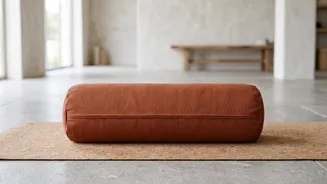
To practice safely, start by sitting in Dandasana (Staff Pose) with your legs extended and spine tall. You can sit on a folded blanket to help tilt your pelvis forward. Inhale to lengthen your spine, lifting your chest. As you exhale, begin to hinge forward from your hips, not your waist, keeping your back as straight as possible. Actively flex your feet, pressing your heels away and pulling your toes toward you. Reach for your shins, ankles, or feet, but only go as far as you can without rounding your lower back. With each inhale, try to lengthen your torso; with each exhale, see if you can deepen the fold. Remember to lead with your chest, not your head.
Common Mistakes and Modifications
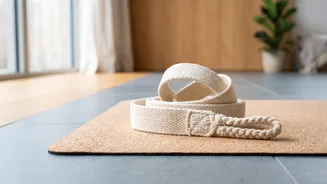
The most common mistake is rounding the back in an effort to reach the feet, which shifts the stretch from the hamstrings to the vulnerable lower back. Another error is letting the feet relax or splay outwards, which deactivates the legs and can misalign the pose. If your hamstrings are tight, don't force it. The best modification is to bend your knees generously, which releases tension in the hamstrings and allows the pelvis to tilt forward properly. You can rest your torso on your thighs. Using a yoga strap looped around the balls of your feet is another excellent way to maintain a long spine while extending your reach without straining.