
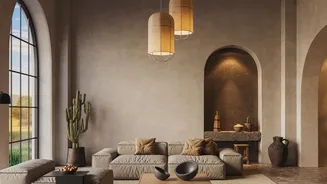
Beyond the 'Sad Beige' Monotony
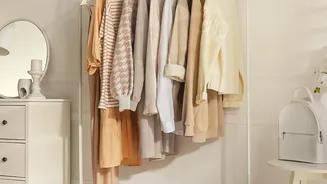
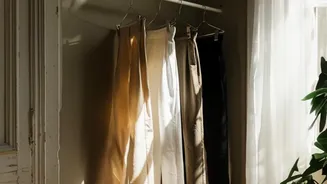
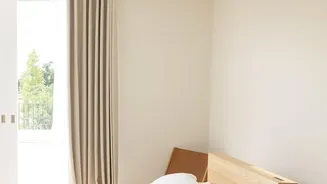
The reign of the all-beige interior, popularised by the quiet luxury and minimalist movements of the early 2020s, is seeing a significant shift. While beige can be a grounding and serene base, its overuse led to spaces that felt ubiquitous and, for some,
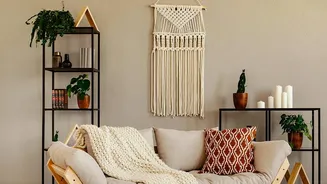
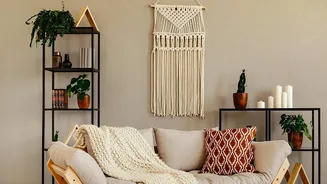
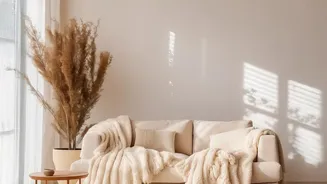
devoid of personality. The conversation in design is now moving towards creating homes that are more expressive and emotionally resonant. It’s not about erasing beige from the playbook entirely, but rather using it as a sophisticated canvas instead of the entire composition. The goal has evolved from stark perfection to creating rooms that feel authentic, comfortable, and genuinely lived-in.
Embracing a Warmer, Richer Palette
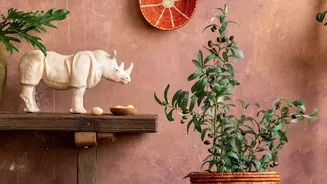
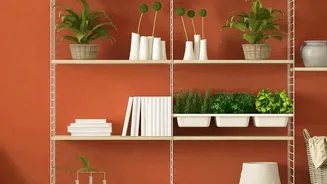
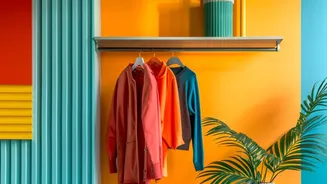
The antidote to a flat, beige room is the introduction of warmer, more complex colours. Instead of abandoning neutrals, the trend involves layering them with moodier, earth-inspired tones. Think of deep olive greens, rich chocolate browns, muted terracottas, and warm clays. These shades absorb light, creating a cosy, enveloping atmosphere perfect for living rooms and bedrooms. Even pops of deep burgundy, dusty rose, or various shades of blue can provide a necessary contrast that makes the underlying neutral palette feel more intentional and dynamic. The key is to add depth without overwhelming the space.
The Crucial Role of Texture
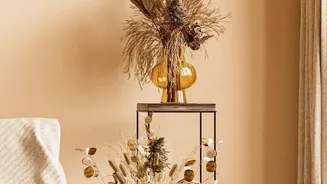
Perhaps more important than colour is the introduction of varied textures. This is what truly brings a neutral space to life, preventing it from feeling one-dimensional. Designers are emphasising materials that invite touch and add visual interest. This includes layering different fabrics like linen, wool, rich velvets, and chunky knits through pillows, throws, and upholstery. Beyond textiles, the trend incorporates natural materials with inherent texture, such as warm oak furniture, rattan, unpolished stone, and timber cabinetry with visible grain. These organic elements provide warmth and character, making a room feel thoughtfully curated.
Finding Balance with Contrast
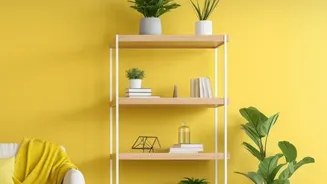
A successful warm interior is all about balance, and that often requires strategic contrast. Pairing warm neutrals with brighter or bolder colours in small doses—such as in a piece of artwork or a patterned rug—can add depth and a focal point. Another powerful technique is introducing dark accents. Touches of charcoal grey, black iron, or dark wood furniture can ground a light-coloured room, making the softer tones stand out more clearly. This interplay between light and dark, soft and hard, and warm and cool is what creates a layered, sophisticated space that holds your interest.
How to Start Small
Reversing a beige-heavy interior doesn't require a complete overhaul. You can start by introducing a few key pieces. Swap out some beige cushions for ones in olive green or burnt orange. Add a plush, textured rug under your coffee table or place a chunky knit throw over your sofa. Incorporate natural elements like a wooden side table, a stone vase, or even a few indoor plants to bring life and organic texture into the room. Even painting a single accent wall or an interior door in a richer, complementary colour can dramatically shift the energy of the space and break up the monotony.