

The Rise of the Workation Hotspot
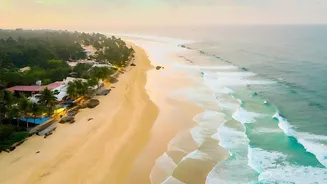
The dream of working from a scenic location is no longer a fantasy reserved for a select few. In the wake of a global shift towards remote work, coastal towns like Gokarna in Karnataka and Varkala in Kerala have emerged as magnets for digital nomads.
These once-sleepy pilgrimage and beach destinations are now buzzing with the quiet energy of laptops and focused minds. What draws professionals here isn't just the escape from urban burnout, but a tangible, affordable infrastructure designed for them. Hostels, traditionally seen as stopovers for backpackers, have pivoted brilliantly, recognizing that today's professional needs more than just a place to sleep—they need a place to plug in.
More Than Just Fast Wi-Fi
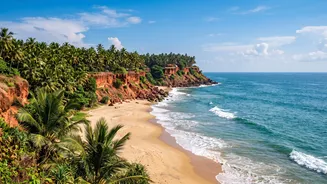
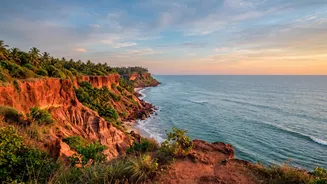
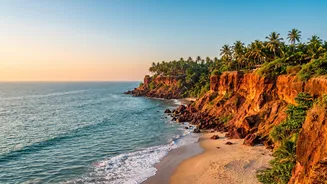
While reliable, high-speed internet is the foundational requirement, these hostels offer a far more holistic package. Many now boast dedicated co-working spaces with ergonomic seating, ample charging points, and power backup to combat occasional outages. In Gokarna, hostels perched on the cliffs overlooking Kudle Beach provide open-air pavilions where the sound of the waves is your background music. Similarly, Varkala's cliff-top properties feature everything from air-conditioned indoor work lounges for quiet focus to ocean-view common rooms for collaborative energy. The internet speeds often range from a respectable 40 Mbps to a blazing 300 Mbps, thanks to fiber optic networks, with mobile data acting as a reliable backup. This robust infrastructure ensures that a video call with a client in another time zone goes as smoothly as it would in a city office.
The Power of Community
One of the biggest challenges of remote work can be isolation. This is where the hostel model truly shines. They are natural melting pots, bringing together freelancers, startup employees, and artists from diverse backgrounds. Communal kitchens, movie nights, jam sessions, and board games foster a sense of community and spontaneous networking. It’s not uncommon to find a graphic designer brainstorming with a content writer over breakfast, or a coder joining a group for a sunset yoga session after a long day. This social fabric provides a support system and a creative sounding board, transforming a solitary work life into a shared, vibrant experience.
Gokarna vs. Varkala: Choosing Your Vibe
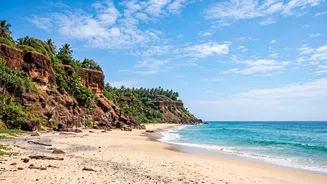
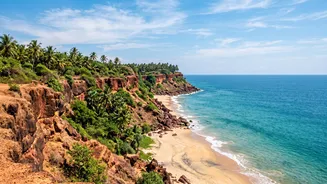
Though they offer similar amenities, the two towns have distinct personalities. Gokarna retains a rustic, spiritual charm, known for its multiple beaches connected by scenic treks. The vibe is more laid-back and grounded, appealing to those seeking peace and a slower pace. Varkala, with its dramatic red cliffs and a long promenade of cafes and shops, has a more bohemian and cosmopolitan feel. It is also a growing hub for surfing and wellness retreats, adding another layer to the work-life balance equation. Your choice between the two might depend on whether you prefer a quieter, more introspective environment (Gokarna) or a more social, bustling scene (Varkala).
An Affordable Shift in Lifestyle
The most compelling aspect of this trend is its affordability. For the cost of a month's rent in a major metro city, a professional can cover their accommodation, food, and co-working needs in these coastal havens. In Gokarna, a dorm bed in a work-friendly hostel can cost between ₹12,000 to ₹18,000 per month. Varkala is similarly priced, with monthly dorm stays ranging from ₹14,000 to ₹24,000. When you factor in the low cost of local food and transport, the financial argument becomes incredibly strong. This accessibility makes the digital nomad lifestyle a realistic option for a much broader range of Indian professionals, not just high-earning executives.