


A First Line of Defence Against Toxins
Your dog's paws act like sponges, absorbing substances from every surface they touch. While walking, they can pick up lawn pesticides, fertilisers, and chemicals used for de-icing roads like salts and antifreeze. These substances can cause chemical burns,
irritation, and dryness. The greater danger often comes from ingestion. Dogs naturally lick their paws to groom themselves, and in doing so, can swallow these toxic residues, which may lead to stomach upset or more severe health issues. A quick wash or wipe after every walk is a simple and effective way to remove these harmful substances before they can be licked off.
An Opportunity for Early Injury Detection
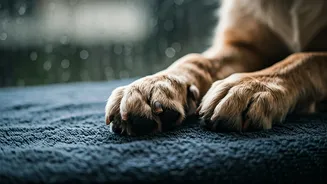
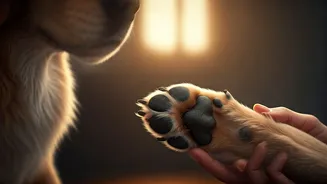
Making paw cleaning a regular habit provides the perfect opportunity to perform a quick health inspection. As you handle your dog's feet, you can check for small cuts, scrapes, blisters, or foreign objects like thorns, glass shards, or pebbles lodged between their pads. In winter, snow can form painful ice balls between the toes, and in summer, hot pavement can cause burns. Catching these issues early can prevent them from becoming infected or causing your dog significant pain. It also allows you to monitor for signs of cracking or dryness, which can be treated with a soothing paw balm to prevent discomfort.
Reducing Allergens and Irritants
For dogs with environmental allergies, paws are a major entry point for irritants. Pollen, mould spores, dust mites, and grasses cling to the fur and skin between their toes. This can lead to intense itching and inflammation, prompting the dog to lick and chew at their feet excessively. This licking cycle often makes the problem worse, leading to raw skin, hot spots, and secondary bacterial or yeast infections. Wiping paws after each walk can significantly reduce the amount of allergens brought into the home and onto your dog's skin, providing much-needed relief.
Preventing Infections and Parasites
Beyond allergens, paws can pick up harmful bacteria and parasites from the soil and other surfaces. These microbes can enter the body through tiny cuts or scrapes on the paw pads, leading to infections. Moreover, some parasites, like hookworms, can be present in contaminated soil and stick to a dog's paws. If a dog licks these off, they can develop an internal parasitic infection. Thoroughly cleaning and drying the paws, especially between the toes where moisture can get trapped, helps prevent the growth of fungi and bacteria that thrive in damp environments.
How to Clean Paws Effectively
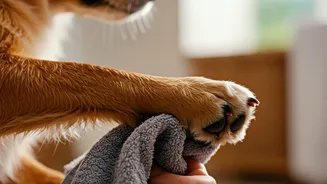
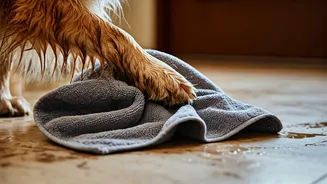
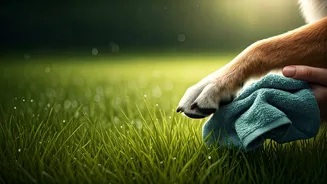
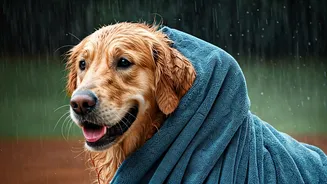
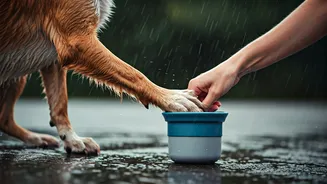
The method you use can depend on how dirty the paws are. For daily, light cleaning, pet-safe grooming wipes are a convenient option. Simply wipe the pads and between the toes. For muddier adventures, a bowl of lukewarm water and a soft cloth work well. You can add a small amount of dog-specific shampoo for a deeper clean, but be sure to rinse thoroughly to avoid irritation. The most crucial and often-skipped step is drying. Pat each paw dry with a towel, paying special attention to the area between the toes to prevent fungal growth. If your dog is hesitant, start slowly, offer treats, and make it a positive experience.