







The Urban Heat Island Effect
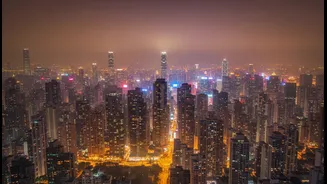
The core of the problem is a phenomenon known as the Urban Heat Island (UHI) effect. Cities, with their vast expanses of concrete, asphalt, and dark-surfaced buildings, absorb and retain significantly more solar radiation than natural landscapes. Materials
like concrete and asphalt have a high thermal mass, meaning they soak up heat all day and release it slowly at night. This process prevents cities from cooling down effectively after sunset, leading to warmer nights. Studies show that this effect can make urban areas several degrees hotter than their surrounding rural counterparts. In rapidly urbanising Indian cities like Delhi, Mumbai, and Hyderabad, this effect is becoming increasingly pronounced, creating a baseline of elevated temperatures even before weather patterns are considered.
Why the Monsoon Makes It Worse
It seems counterintuitive that rainy weather could feel hotter, but the key is humidity. While rainfall can provide temporary cooling, it also saturates the air with moisture. This is where the danger of 'humid heat' comes into play. The human body's primary cooling mechanism is sweating; as sweat evaporates from the skin, it takes heat with it. However, when the air is already full of moisture, this evaporation process slows down dramatically. Your body struggles to cool itself, making the 'feels-like' temperature, or heat index, much higher than the actual reading on a thermometer. Warmer oceans like the Arabian Sea and Bay of Bengal are also pushing more moisture inland, compounding the problem for cities already primed to trap heat.
A Landscape Built to Trap Heat
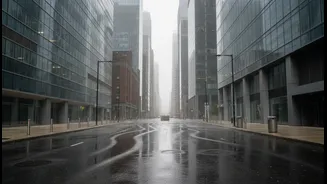
The specific design choices in our cities are what turn this weather phenomenon into a chronic problem. The lack of green spaces is a major factor. Trees, parks, and vegetation provide shade and cool the air through a process called evapotranspiration, acting as natural air conditioners. Their absence means more exposed surfaces absorbing heat. Furthermore, the dense construction of tall buildings creates 'urban canyons' that trap hot air and obstruct wind flow, preventing heat from dissipating. The widespread use of impermeable surfaces means that rainwater, instead of being absorbed into the ground where it could provide a cooling effect, runs off into drains, taking its cooling potential with it. Our cities are essentially designed to be ovens, not sponges.
Designing Cooler, More Breathable Cities
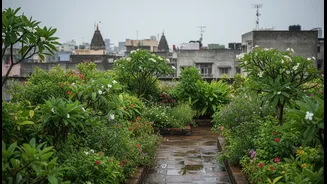
The good news is that since this is a design problem, it can be addressed with better design solutions. Urban planners and architects are increasingly focusing on strategies to mitigate the UHI effect. These include 'Green and Blue Infrastructure', which involves increasing tree cover, restoring water bodies like lakes and ponds, and creating interconnected green corridors. Simple changes like using 'cool roofs' with reflective, light-coloured materials can dramatically reduce heat absorption in buildings. Designing buildings and neighbourhoods to promote natural ventilation, creating shaded public spaces, and using permeable pavements that allow rainwater to seep into the ground are all effective strategies. Cities like Ahmedabad and Mumbai are already incorporating some of these ideas into their Heat Action Plans, showing a path forward.