





The Rise of the 'Library of Things'
Imagine a library where you can check out a stepladder, a hammer drill, or a pressure washer just as easily as you would a book. This is the concept behind the 'Library of Things', a shared collection of tools and equipment for residents to borrow. Rooted
in the principles of the circular and sharing economies, this model is gaining traction in urban communities across India. Instead of every household owning a set of rarely used tools that gather dust and take up space, the community invests in a shared pool of high-quality equipment. This simple shift from individual ownership to collective access is not just convenient; it’s a powerful step towards a more sustainable and community-oriented lifestyle.
More Savings, Less Waste
The most immediate benefit is financial. For the small cost of a membership, or sometimes for free, residents gain access to a wide array of tools they might otherwise have to buy or rent at a much higher price. This is particularly beneficial for one-off repairs or ambitious weekend projects that require specialised equipment. Beyond the savings, the environmental impact is significant. Fewer tools need to be manufactured, transported, and eventually discarded, which reduces carbon emissions and landfill waste. By utilising resources for the longest possible time, these libraries help communities minimise their collective consumption and environmental footprint.
Building Community, One Project at a Time
Shared equipment libraries do more than just save money and space; they build social capital. When neighbours borrow and lend tools, it sparks conversations and creates connections. This system fosters a culture of trust and mutual support within the housing society. It can also become a hub for skill-sharing, where an experienced resident might offer advice to a novice on how to tackle a particular repair. Some communities even host repair cafes or DIY workshops, turning the tool library into a vibrant centre for learning and collaboration. This sense of shared purpose and interaction strengthens the social fabric of the entire community, transforming a simple collection of apartments into a more interconnected neighbourhood.
How Does It Work in Practice?
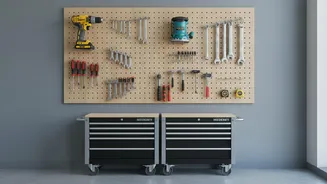
The logistics are surprisingly straightforward. Typically, a housing society designates a secure, accessible space like a storeroom to house the equipment. An inventory of tools—ranging from basic hand tools like hammers and screwdrivers to power tools like cutters and sanders—is created. Many modern systems use a simple app or a shared online document where residents can view available items, book what they need, and arrange for pickup. A small, refundable deposit or a nominal annual fee might be charged to cover maintenance and eventual replacement of the tools. Rules for borrowing, like loan duration and ensuring items are returned in good condition, are established by a managing committee to ensure the system runs smoothly for everyone.
Starting Your Own Equipment Library
Interested in bringing this initiative to your own housing society? Start by talking to your neighbours and the managing committee to gauge interest. You can begin with a small collection of donated tools from residents' own underused supplies. Creating a simple survey can help determine which tools are in highest demand. It’s also wise to research how other tool libraries operate and learn from their best practices. By presenting a clear plan that highlights the financial, environmental, and community benefits, you can build enthusiasm and get the support needed to launch a valuable asset for your entire society.