


The Alpine Meadow of a Million Blooms
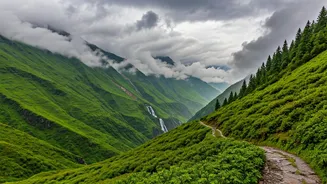
High in the Himalayas of Uttarakhand lies a landscape so surreal it feels like a dream. The Valley of Flowers National Park, a UNESCO World Heritage site, is a high-altitude alpine meadow that remains dormant and snow-covered for most of the year. But
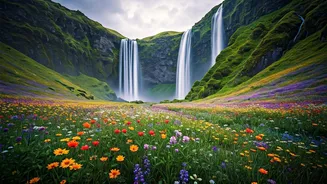
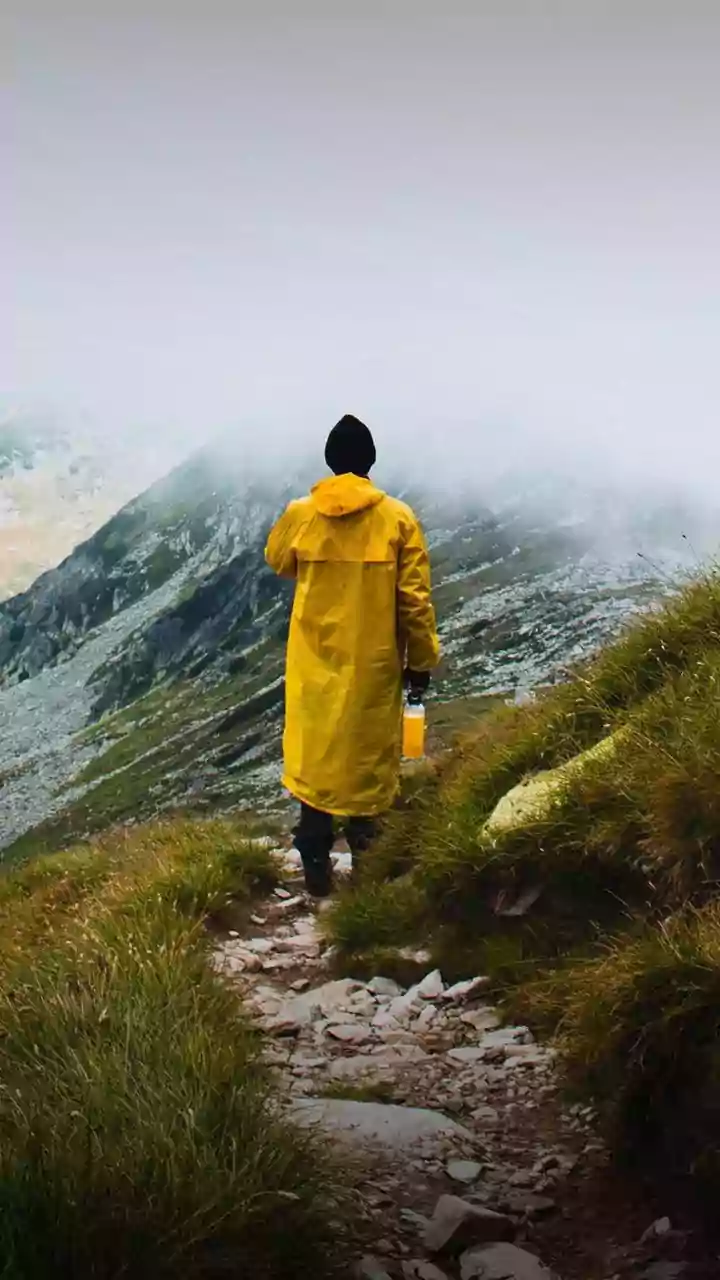
when the monsoon arrives, it explodes into a riot of colour. Over 300 species of wildflowers, from vibrant primulas and wild roses to the elusive blue poppy, carpet the entire valley. The mist that rolls in and out adds a layer of mystique, making the trek through this vibrant paradise an unforgettable experience. The monsoon rains are the very lifeblood of this spectacle, making July to September the only window to witness this masterpiece. It’s a challenging trek, but the reward is a view that is nothing short of divine.
The Living Tapestry of the Deccan
Often called Maharashtra’s own Valley of Flowers, the Kaas Plateau (or Kaas Pathar) is another UNESCO World Heritage site that owes its beauty entirely to the monsoon. Located in the Western Ghats near Satara, this volcanic plateau transforms into a vast canvas of wildflowers from late August to early October. The unique mineral composition of the soil prevents the growth of large trees, allowing countless species of tiny, vibrant flowers to flourish. You'll see carpets of pink, yellow, and blue, created by flowers like the Smithia and Utricularia. Unlike the Himalayan trek, Kaas is more accessible, but visitor numbers are regulated to protect the fragile ecosystem. It’s a powerful reminder that nature's most delicate art is often its most resilient.
The Land Where Clouds Come Home
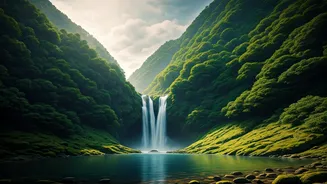
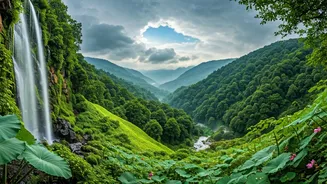
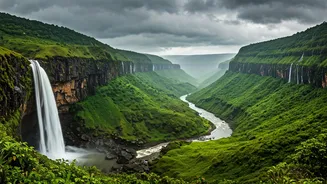
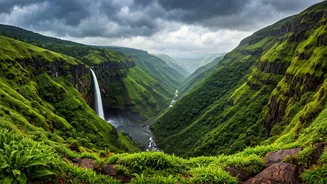
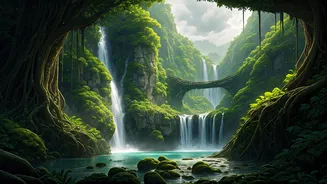
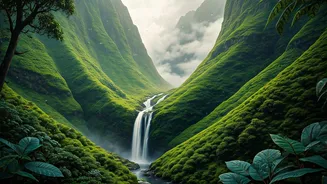
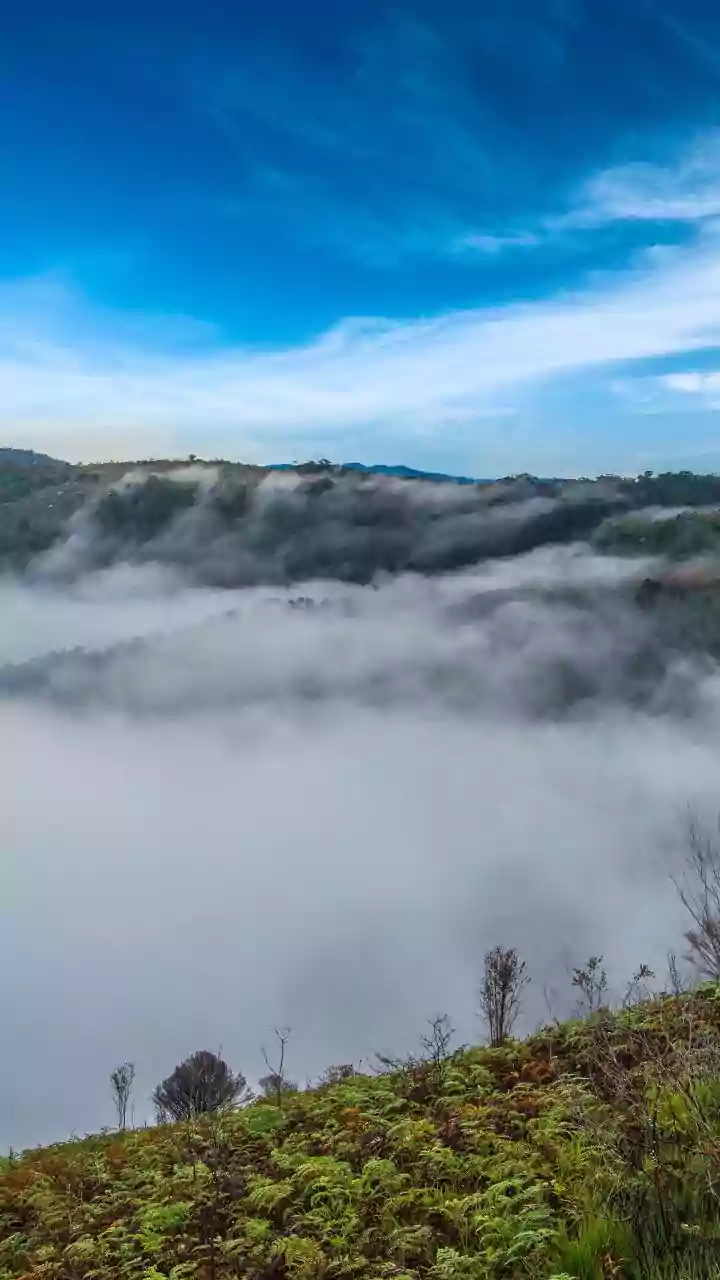
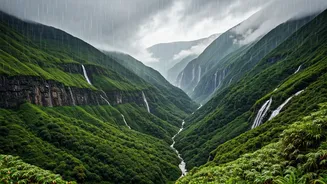
While many places receive rain, few embrace it like Meghalaya, the 'abode of the clouds'. During the monsoon, towns like Cherrapunji and Mawsynram, which vie for the title of the wettest place on Earth, become otherworldly. This isn't just about the rain; it's about what the rain creates. Waterfalls that are mere trickles in the dry season, like the Nohkalikai and Seven Sisters Falls, become thunderous torrents of water cascading down lush green cliffs. The famous living root bridges, woven by the Khasi tribes from the roots of rubber trees, glisten with moisture and seem even more alive. The entire region is draped in a perpetual, moving mist, creating a moody, atmospheric beauty that is both humbling and awe-inspiring.
The Roar of a Reborn Giant
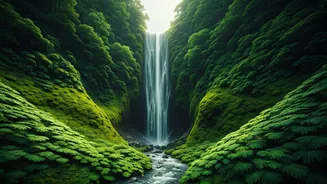
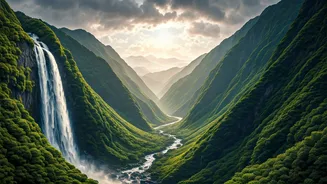
In the dry season, Jog Falls in Karnataka is a shadow of itself, with four distinct cascades—Raja, Rani, Roarer, and Rocket—trickling politely down the cliff face. But visit during the peak monsoon, and you will witness one of nature's most powerful displays. Fed by the swelling Sharavathi River, the four streams merge into a single, colossal curtain of water, plunging 830 feet into the gorge below. The sound is a deafening roar that can be heard from miles away, and the spray creates a permanent rainbow at its base. It’s not a gentle sight; it’s a raw, untamed exhibition of water's power. The sheer volume and force of the falls during the monsoon transform it from a simple tourist spot into a truly magnificent natural wonder.