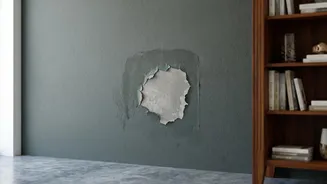








Check Walls and Ceilings for Damp
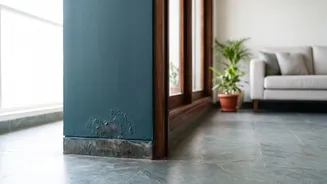
The most common post-monsoon problem is dampness seeping into walls and ceilings. Look for discoloured patches, peeling or bubbling paint, and a persistent musty smell. A musty odour, often smelling like wet newspaper, is a tell-tale sign of hidden moisture,
even if you can't see a stain. Pay close attention to corners, areas near windows, and walls shared with bathrooms. This dampness is not just cosmetic; it creates a breeding ground for mould, which can affect respiratory health. Gently press on any suspect areas. If the wall feels soft or crumbles, it indicates significant water ingress that needs immediate attention.
Inspect for Mould Growth
Where there is damp, mould is often not far behind. Inspect dark, humid corners of your home like wardrobes, behind large furniture, and bathroom ceilings. Mould can appear as fuzzy spots and can be black, green, yellow, or even white. A strong, earthy smell is a major red flag for mould, even if it's not immediately visible. Living with mould can trigger allergies and respiratory issues, so identifying it early is crucial for your health. Note any areas with visible growth or that distinctive smell.
Examine Wooden Doors and Furniture
High humidity during the monsoon causes wood to absorb moisture, swell, and warp. Check all your wooden doors and window frames. Do they close properly, or do they stick? This is a sign of swelling. Inspect wooden furniture, especially items close to walls, for signs of dampness, a hollow sound when tapped, or the appearance of mud tubes, which could indicate a termite infestation. Termites thrive in moist conditions and can cause significant damage quietly.
Assess Electrical Safety
Water and electricity are a dangerous mix. Do not attempt to test anything if you see moisture around switchboards or outlets. Signs of electrical damage from moisture include a burning smell, buzzing sounds, discoloration around outlets, or frequently tripping circuit breakers. Be particularly cautious with switchboards on walls that show signs of dampness. If you suspect any electrical issues, do not touch them. This is a serious hazard, and you should inform your landlord immediately to call a qualified electrician for an inspection.
Look for Pest Infestations
The post-monsoon season often brings a surge in pests seeking shelter and breeding grounds. Mosquitoes breed in any stagnant water, so check balconies and surrounding areas. The damp conditions also attract cockroaches, ants, and rodents, which may move indoors as their outdoor habitats are disrupted. Check inside kitchen cabinets, under the sink, and in storage areas for droppings or other signs of pest activity. Early detection can prevent a full-blown infestation.
Check Drains and Plumbing
Heavy rains can overwhelm drainage systems, leading to blockages. Check that water drains quickly from your balconies, bathrooms, and kitchen sink. Slow drainage could indicate a clog from debris washed down during the monsoon. Also, look for any new leaks under sinks or around bathroom fittings that may have developed under pressure. Ensure outdoor gutters and downspouts attached to the property are clear of leaves and debris to prevent water from backing up and seeping into walls.
How to Report Issues to Your Landlord
Once you've completed your inspection, document everything. Take clear photos and videos of any damage, such as damp patches, mould, or swollen woodwork. Then, inform your landlord in writing, via email or a message, detailing the issues you've found. This creates a formal record. In India, landlords are typically responsible for major structural and safety repairs, including issues like seepage, electrical faults, and major plumbing. Providing clear evidence and a written record is the most effective way to get issues addressed and ensures you have followed the proper procedure.