


The Global Spectacle: A European Sunset Eclipse
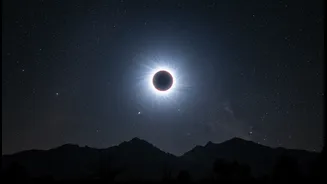
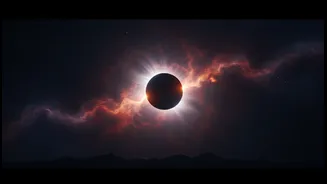
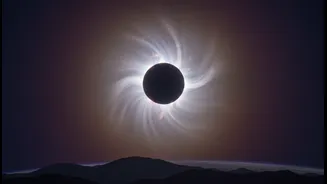
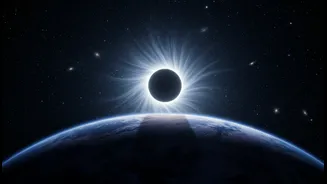
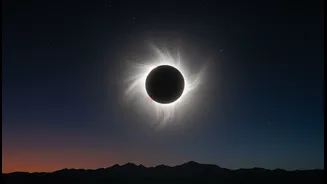
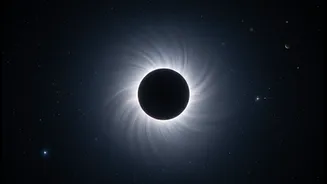
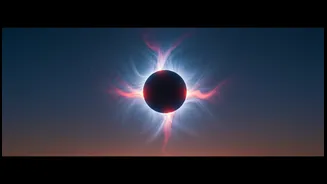
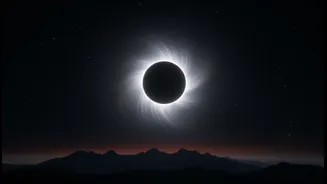
On August 12, 2026, a breathtaking total solar eclipse will trace a path across the globe. The Moon will completely obscure the Sun, creating the rare phenomenon of totality. This dramatic event, where day briefly turns to twilight and the Sun's ethereal
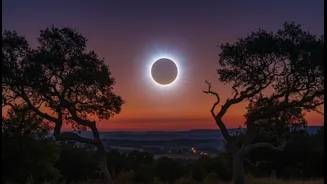
corona becomes visible, will mainly occur over Greenland, Iceland, the Atlantic Ocean, and northern Spain. For Europe, it is the first total solar eclipse since 1999, making it a particularly momentous occasion. What makes this eclipse even more special for those in Spain is that totality will occur just before sunset, creating the potential for stunning, once-in-a-lifetime photographs of a darkened sun setting over the horizon.
The Reality for India: An Event After Dark
For astronomy enthusiasts in India, the reality is straightforward: the total solar eclipse will not be visible from the subcontinent. The entire celestial event unfolds during India's night-time hours. The partial phase of the eclipse is set to begin around 9:04 PM IST on August 12, with the peak of totality occurring after 11:15 PM IST. Since the sun will have long set across India by then, there will be no eclipse, either total or partial, to observe directly. Some highly specialised calculations suggest a minuscule partial eclipse might be theoretically visible from the absolute northernmost tips of Ladakh, but for the vast majority of the country, the event is not observable. Consequently, associated religious customs like Sutak Kaal will not apply.
How to Join the Experience Virtually
Just because you cannot see the eclipse in person does not mean you have to miss out. Major space agencies and astronomy organisations will host live streams, allowing everyone to witness the spectacle. NASA is renowned for its comprehensive eclipse coverage, which typically includes expert commentary and multiple telescope feeds from different locations along the path of totality. You can expect to find these broadcasts on NASA's official YouTube channel and its NASA+ streaming service. Other organisations, like the Exploratorium, also provide high-quality live streams. These virtual events are a fantastic way for students and enthusiasts in India to experience the magic of totality safely from their homes.
A Note on Safe Viewing for Future Eclipses
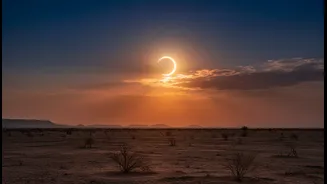
While this particular eclipse is not visible from India, it serves as a crucial reminder about eye safety for future solar events. The next solar eclipse visible from India will be a partial one on August 2, 2027. It is never safe to look directly at the sun during a partial eclipse without proper protection. Regular sunglasses, no matter how dark, are not sufficient. Always use certified “eclipse glasses” or handheld solar viewers that meet the ISO 12312-2 international standard. An alternative and safe method is pinhole projection. You can create a simple pinhole projector using a piece of cardboard to project an image of the crescent sun onto a surface, allowing you to watch the eclipse's progress indirectly without risking eye damage.
A Celestial Consolation Prize
While the solar eclipse might be off the table for direct viewing in India, another celestial event offers a wonderful opportunity for skywatchers. The date of the eclipse, August 12, coincides with the peak of the annual Perseid meteor shower. A solar eclipse can only happen during a new moon phase, which means the sky will be exceptionally dark without any moonlight to interfere with the view. This creates perfect conditions for watching the Perseids, which are known for producing bright, frequent meteors. In the pre-dawn hours of August 12 and 13, find a dark location away from city lights, let your eyes adjust, and look up to catch the spectacular display of shooting stars.