


The Dampness Dilemma
The single biggest challenge during the monsoon is the persistent moisture. High humidity means your pet’s coat takes much longer to dry after a walk in the rain or a bath. This trapped moisture, especially in thick or double-coated breeds, creates a warm,
damp environment right next to the skin—an ideal breeding ground for bacteria and fungi. This can lead to a host of problems including common fungal issues like yeast infections and ringworm, or bacterial infections like acute moist dermatitis, often called 'hot spots'. These conditions cause intense itching, redness, hair loss, and a distinct musty odour.
Drying: Your First Line of Defence
Thoroughly drying your pet after any exposure to moisture is non-negotiable. A simple towel-off often isn't enough, especially for long-haired pets. Start with an absorbent microfibre towel, paying special attention to the paws, underbelly, armpits, and skin folds where moisture hides. For pets with dense fur, a pet-specific blow dryer on a low-heat setting is a worthwhile investment to ensure their undercoat is completely dry. Getting into a routine of drying your pet the moment you step indoors after a walk can prevent most moisture-related issues from starting.
A Focus on Paw Care
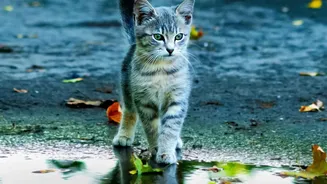
Paws bear the brunt of monsoon walks, trudging through mud and contaminated puddles that can harbour harmful bacteria and parasites. It's essential to clean your pet's paws after every single outing. Use lukewarm water and a soft cloth or a gentle cleanser to wipe away dirt, especially from between the toes. Afterwards, dry them completely. Trimming the fur between the paw pads can also help, as it reduces the amount of mud and moisture that gets trapped. Regularly inspect their pads for any cuts, redness, or signs of infection.
Adjusting Bath and Brushing Frequency
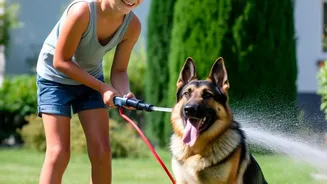
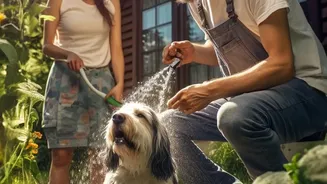
While it may seem counterintuitive, you should bathe your pet less frequently during the monsoon. Over-bathing can strip the skin of its natural oils, which act as a protective barrier, making it more vulnerable to infections. Aim for a bath once every two to three weeks, unless they get excessively muddy. When you do bathe them, consider using a vet-recommended medicated or anti-fungal shampoo. On the other hand, you should increase brushing frequency. Daily brushing helps to remove loose hair and tangles, prevents matting (which traps moisture), and improves air circulation to the skin.
Ear Hygiene and Parasite Patrol
The ears, particularly in floppy-eared breeds, are another high-risk area for moisture build-up, leading to painful yeast and bacterial infections. Make it a habit to gently wipe your pet’s ears with a dry, soft cloth after they get wet and check them weekly for any redness or unusual odour. The humid weather is also a paradise for parasites like fleas and ticks, whose populations boom during this season. Even if your pet stays indoors most of the time, these pests can find their way in. Stick to your vet-prescribed flea and tick prevention schedule diligently to keep infestations at bay.