


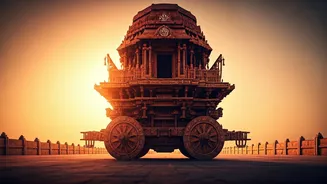
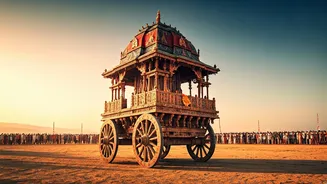



The Great Puri Rush
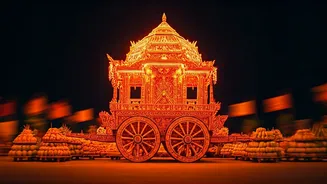
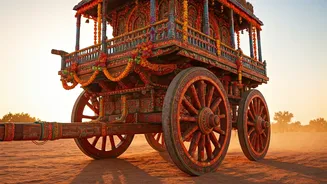
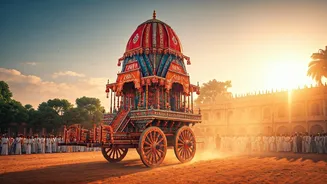
It used to be a predictable rhythm. As the summer heat peaked, devotees would start planning their journey to Puri for the annual Rath Yatra. Bookings would spike a few weeks before the grand procession of Lord Jagannath, his brother Balabhadra, and sister
Subhadra. Not anymore. Today, securing a room with a view of the Bada Danda (Grand Road) for the festival in June or July requires planning as early as January. Hotels, both luxury and budget, report being sold out months before the first chariot wheel turns. What was once a last-minute scramble has become a long-term strategic exercise for pilgrims and tourists alike. This isn't just a simple case of increased demand; it's a reflection of profound changes in technology, infrastructure, and the very nature of modern pilgrimage.
The Digital Pilgrim Arrives
The single biggest driver of this change is the smartphone in your pocket. Online travel agencies (OTAs) like MakeMyTrip, Goibibo, and Booking.com have democratised access to hotel inventories. Previously, booking a room in Puri often required a phone call, a personal contact, or relying on a local travel agent. Now, anyone, anywhere in India—or the world—can browse, compare, and book a room with a few taps. This digital transparency has created a national, real-time marketplace. When a few people start booking early, the dynamic pricing algorithms kick in, and social media buzz creates a sense of urgency, leading to a domino effect. This 'fear of missing out' is a powerful motivator, pushing booking windows further and further back.
Paved Roads to Paradise
Getting to Puri is easier than ever, and that has massive implications. The Odisha government’s sustained focus on infrastructure has been a game-changer. The well-maintained NH-16 and the expanding network of state highways have drastically cut down travel time from major hubs like Bhubaneswar, Cuttack, and even neighbouring states. The Biju Patnaik International Airport in Bhubaneswar, just a 60-kilometre drive away, connects Puri to the rest of the country with frequent flights. Furthermore, the development of the Puri-Konark Marine Drive and other beautification projects under the ABADHA (Augmentation of Basic Amenities and Development of Heritage and Architecture) scheme have transformed the visitor experience. When the journey is smoother and the destination more pleasant, more people are willing to make the trip.
A New Generation of Devotees
The profile of the average Rath Yatra visitor is also evolving. It's no longer just the sole domain of traditional, large pilgrim groups. Today, you'll find nuclear families, groups of young professionals, and solo travellers blending faith with leisure. For them, the trip is a 'spiritual vacation'. They seek comfortable stays, good food, and a well-planned itinerary. This new demographic is tech-savvy and accustomed to planning their holidays in advance. They are not waiting for a 'shubh muhurat' to book; they are looking for early-bird discounts and the best available options, treating a pilgrimage with the same logistical foresight as a trip to Goa or Manali. This shift adds a new, organised, and early-booking segment to the already high demand from traditional devotees.
The Price of Popularity
This unprecedented demand has a direct impact on the local economy. For hoteliers, it’s a welcome boom, allowing for better revenue management and a guaranteed full house. However, it also presents challenges. The surge pricing is increasingly putting prime locations out of reach for many budget-conscious pilgrims. There's also immense pressure on civic amenities, including water, sanitation, and crowd management. While the early sell-outs provide predictability for businesses, they also signal the growing strain on the holy city's resources during its most sacred festival. The phenomenon forces a conversation about sustainable tourism and ensuring that the spiritual essence of the Rath Yatra remains accessible to all, not just those who can afford to plan six months ahead.