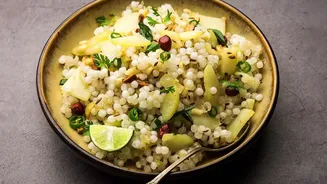



In the world of Indian comfort food, Dalia and Khichdi are champions of health. But when pitted against each other, which one is truly healthier? The answer is not as simple as you think and depends heavily on what goes into the pot.
Dalia: The Whole-Wheat Powerhouse
Dalia, or broken wheat,
is a minimally processed whole grain celebrated for its impressive nutritional profile. Because it retains the wheat's bran and germ, it is packed with dietary fibre, protein, and essential micronutrients. A 100-gram serving of dry dalia contains approximately 12 grams of protein and around 10 to 12 grams of fibre. This high fibre content is its standout feature, promoting a feeling of fullness, aiding digestion, and supporting weight management. Furthermore, dalia has a low glycemic index (GI), typically around 41, which means it releases sugar into the bloodstream slowly. This makes it an excellent choice for individuals managing diabetes or anyone looking for sustained energy without the crash that comes from refined carbohydrates.
Khichdi: The Comforting Protein Combo
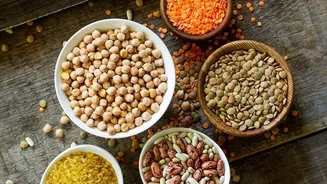
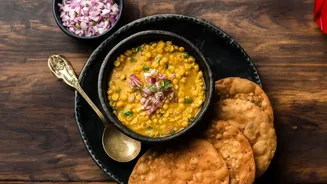
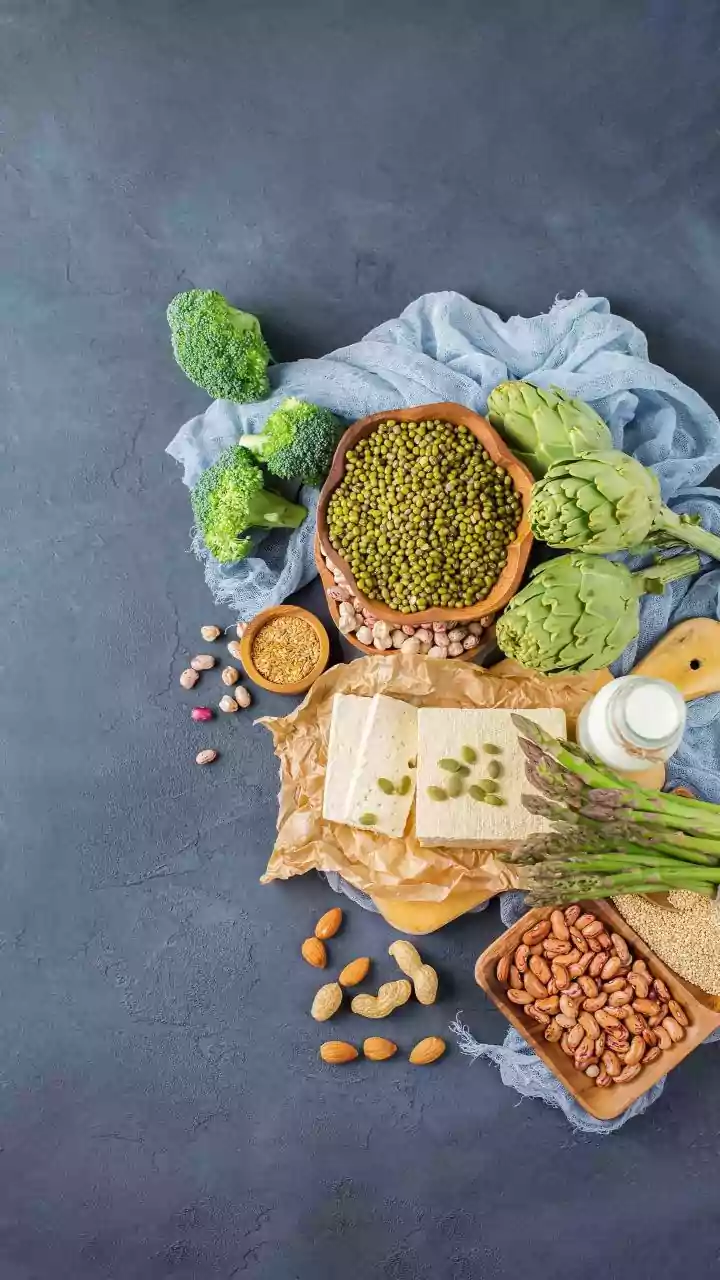
Khichdi is a versatile one-pot dish, traditionally made from a combination of rice and lentils, most commonly moong dal. This pairing is a cornerstone of Ayurvedic nutrition, celebrated for being easy to digest and providing a complete protein. While rice on its own is a simple carbohydrate, combining it with lentils creates a full amino acid profile, making it a valuable protein source for vegetarians. A basic moong dal khichdi offers a balanced mix of carbohydrates and protein. A serving of about one cup can provide around 8 grams of protein. The nutritional value, however, is highly dependent on the ratio of dal to rice; a higher proportion of dal significantly boosts the protein content. Plain khichdi is often a go-to meal during illness because it's gentle on the stomach and provides essential nourishment.
The Real Difference: Your Cooking Method
The true nutritional value of both Dalia and Khichdi is decided not by their base ingredients alone, but by how you prepare them. The moment you add vegetables, spices, and fats like ghee, the comparison shifts dramatically. A simple bowl of boiled dalia, for example, is low in calories but also lacks the added vitamins and minerals that vegetables provide. Similarly, a khichdi made with a high ratio of white rice to dal and cooked with minimal additions will be predominantly carbohydrate-heavy. The cooking process itself also affects nutrient retention. Boiling, for instance, can lead to the loss of water-soluble vitamins like Vitamin C and B vitamins from vegetables, though these nutrients are preserved if you consume the cooking liquid, which is typical for both dishes. Sautéing vegetables in a little ghee before adding them to your dalia or khichdi can enhance the absorption of fat-soluble vitamins and antioxidants.
How to Maximise Dalia’s Nutrition
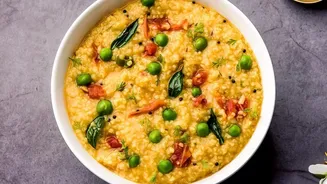
To turn a simple bowl of dalia into a nutritional powerhouse, think beyond just boiling it. The most popular way to enhance it is by making a savoury 'dalia khichdi' or 'upma'. Start by lightly roasting the dalia to improve its flavour and texture. Then, temper spices like mustard seeds and cumin in a teaspoon of ghee. Sautéing a variety of chopped vegetables like carrots, peas, beans, and spinach not only adds fibre and vitamins but also makes the meal more filling and flavourful. For a significant protein boost, you can stir in cooked moong dal, paneer cubes, or even chicken chunks. This transforms dalia from a simple carb dish into a well rounded meal perfect for breakfast or lunch.
How to Elevate Your Khichdi
A basic khichdi can be easily elevated. First, adjust your grain-'to'-lentil ratio. Aim for a 60:'to'40 or even 50:'to'50 ratio of dal to rice to increase protein and fibre. For an even bigger nutritional punch, swap white rice for brown rice, millets,' or quinoa,' which offer more fibre and a nuttier flavour. Loading your khichdi with a rainbow of vegetables is a simple way to increase its fibre content and nutrient density. A final 'tadka' (tempering) of spices in ghee not only adds immense flavour but can also improve digestion. Serving khichdi with a side of curd (dahi) is another excellent strategy; it adds more protein and introduces beneficial probiotics for gut health.