


The Foundation: Choose Your Flatbread
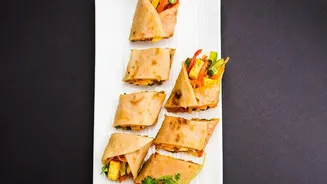
The experience of a great wrap begins with its foundation. The flatbread you choose is not just a vessel; it's the first layer of texture. A soft, pliable whole wheat roti or chapati offers a wholesome, yielding base that’s perfect for a classic roll.
For something a bit more indulgent, a flaky paratha, with its multiple layers created by folding and ghee, adds a richer, more complex bite. Even a soft, slightly chewy naan can work wonderfully, especially if warmed. The key is to select a flatbread that is sturdy enough to hold the fillings without tearing but soft enough to provide a pleasing contrast to the crunchier elements within. Store-bought versions work in a pinch, but a fresh, homemade flatbread elevates the wrap from a simple snack to a memorable meal.
The Magic of Roasting Vegetables
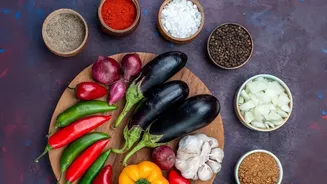
To avoid a mushy, one-note filling, roasting your vegetables is a non-negotiable step. Unlike boiling or steaming, roasting at a high temperature draws out moisture and caramelizes the natural sugars in the vegetables, creating a texture that is tender on the inside with delightfully browned, slightly crispy edges. Hardy vegetables like bell peppers, onions, cauliflower, and sweet potatoes are ideal candidates. Cut them into bite-sized chunks, toss them with a bit of oil and classic Indian spices like cumin, coriander, and turmeric, and roast until they are fork-tender. This process not only concentrates their flavour but also ensures they provide a substantial, satisfying chew that stands up to the other ingredients.
Perfecting Your Paneer
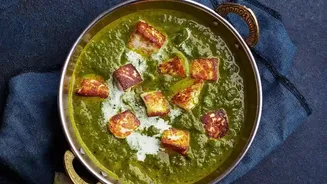
Paneer, or Indian cottage cheese, provides the hearty, protein-rich component of the wrap. But its preparation is key to achieving the right texture. To ensure it's soft and not rubbery, you can soak the paneer cubes in hot water for about 10 minutes before using them. For the best texture, marinate the paneer in a spiced yogurt mixture. This marinade, often featuring ginger, garlic, garam masala, and chilli powder, infuses the cheese with flavour. The crucial next step is to pan-fry or grill the marinated cubes until they develop a light golden-brown crust. This creates a wonderful contrast: a slightly firm, flavour-packed exterior giving way to a soft, creamy interior. This texture pairing with the roasted vegetables is what begins to build a truly balanced wrap.
The Unifying Power of Tangy Sauces
A sauce does more than just add moisture; it ties all the elements together with a burst of flavour. A tangy sauce is essential to cut through the richness of the paneer and the earthy sweetness of the roasted vegetables. A classic mint-coriander chutney offers a fresh, zesty, and spicy kick. Another excellent choice is a tamarind chutney, which provides a sweet and sour note. For a creamy and cooling element, a simple yogurt-based sauce seasoned with salt, chaat masala, and a squeeze of lemon juice works wonders. The right sauce complements the other ingredients and provides a creamy or zesty counterpoint, ensuring the wrap is flavourful from the first bite to the last without becoming soggy.
Don't Forget the Final Crunch
The final touch in mastering textural balance is adding an element of pure crunch. This last layer provides a surprising and satisfying contrast that elevates the entire experience. Think of the fresh, sharp bite of thinly sliced raw onions, which are often tossed with a bit of lemon juice and chaat masala to temper their pungency. Other great options include shredded carrots or fresh cabbage for a clean, crisp texture. For an even more pronounced crunch, consider a sprinkle of sev, the crispy fried chickpea flour noodles popular in Indian street food. This final component is the secret weapon that turns a good wrap into a great one, ensuring that every bite is a dynamic interplay of soft, tender, creamy, and crunchy.