







Plan and Stock Up on Staples
Minimising trips to the market during heavy rains is always a good idea. Plan your meals for the week and create a detailed shopping list. This is the perfect time to stock up on non-perishable staples. Think about items like rice, atta, lentils (dal),
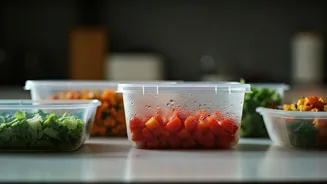
and sugar. However, be mindful not to overbuy, as even dry goods can attract pests and spoil in the extreme humidity of the monsoon. Buying just enough for a couple of weeks is a practical approach. Transfer these items immediately from their bags into clean, dry, airtight containers to protect them from moisture and insects.
Choose Fresh Produce Wisely
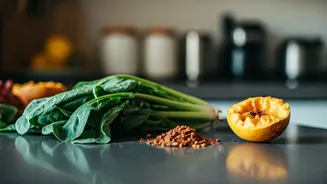
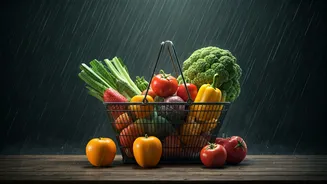
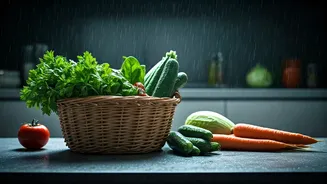
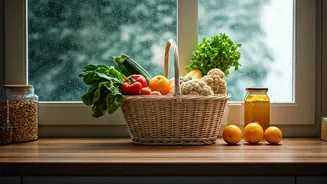
While fresh vegetables are essential, the monsoon is not the time for all varieties. Leafy greens like spinach and cabbage can be risky as they may harbour more dirt and germs and spoil quickly. If you do buy them, ensure you wash them thoroughly, perhaps with salt water, before cooking. It is generally safer to opt for seasonal monsoon vegetables like bitter gourd (karela), bottle gourd (lauki), pointed gourd (parwal), and pumpkin. These vegetables have thicker skins and are less susceptible to spoilage. When buying any produce, check for firmness and avoid anything with bruises or soft spots.
The Art of Smart Storage
Humidity is the biggest enemy of food freshness during the monsoon. Proper storage is non-negotiable. For dry goods like spices, biscuits, and flours, airtight containers are your best friend. Glass or steel jars are often better than plastic for preventing sogginess. For vegetables, do not wash them until you are ready to use them, as excess moisture accelerates decay. Store most veggies in the refrigerator in breathable bags. To combat moisture in grain containers, you can add natural absorbers like a few dried bay leaves or neem leaves. Also, ensure you store food containers on shelves or wooden planks, never directly on a cold floor which can introduce moisture.
Master Your Refrigerator
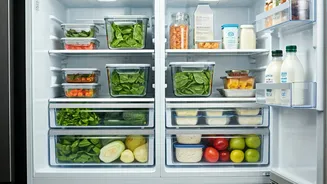
Your refrigerator works overtime during the rainy season. Keeping it clean and organised is crucial. Wipe up spills immediately and clean the fridge regularly with a mild disinfectant to prevent mould growth, which thrives in damp conditions. Don't overcrowd it; allow air to circulate to maintain a consistent temperature. Store cooked leftovers in covered containers and consume them quickly. It's also a good idea to defrost your fridge periodically, as excessive frost build-up can make it less efficient and create a breeding ground for bacteria.
Food Safety is Paramount
The risk of foodborne illnesses increases significantly during the monsoon due to the proliferation of bacteria and germs. Be extra cautious about food and water hygiene. Drink boiled or filtered water. Avoid street food, especially items like chaat, pre-cut fruits, and juices, as their hygiene standards can be uncertain. When cooking, ensure meat and poultry are cooked to a safe internal temperature. Wash your hands thoroughly with soap and water before handling food. It's also wise to avoid raw salads or, if you must have them, steam the vegetables lightly first to kill any potential pathogens.
Embrace Immunity-Boosting Foods
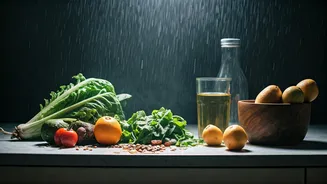
Strengthening your immune system is key to staying healthy during this season. Incorporate immunity-boosting ingredients into your diet. Foods rich in Vitamin C, like citrus fruits, are excellent choices. Spices like turmeric and ginger, staples in Indian cooking, have powerful anti-inflammatory and antibacterial properties. Enjoying warm, comforting meals like soups and freshly cooked dishes is not only satisfying on a rainy day but also a healthier option than cold or raw foods.