



Fortifying Your Electronics Against Moisture
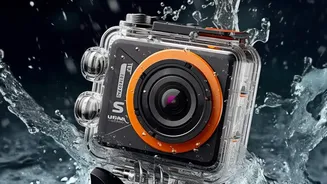
The biggest threat to electronics during the monsoon isn't just a sudden downpour; it's the pervasive humidity, which can easily exceed 85% indoors and cause damage even without direct water contact. Start with a simple, multi-layered defense. For daily
commutes, a high-quality waterproof backpack or a rain cover for your existing bag is non-negotiable. Inside the bag, give each gadget its own layer of protection. Ziplock bags are a good last-minute option, but dedicated waterproof pouches with roll-top seals offer far superior protection for your phone, power bank, and charger. Don't underestimate the power of silica gel packets. Scatter a few in your electronics drawer, camera bag, and laptop case to absorb ambient moisture and fight off the slow creep of humidity.
What To Do When a Gadget Gets Wet
If the worst happens and your phone takes a plunge, act fast. The first and most crucial step is to turn the device off immediately and do not press any buttons. This helps prevent a short circuit. If possible, remove the battery, SIM card, and memory card. Gently wipe the exterior with a soft, dry cloth, avoiding pushing water into ports or openings. Resist the urge to use a hairdryer, as the heat can cause more damage. While many people swear by putting their phone in a bag of uncooked rice, silica gel packets are far more effective at absorbing moisture. Place the wet device in an airtight container filled with silica gel packets for at least 24 to 48 hours to give it the best chance of survival before attempting to turn it on. Never, ever charge a device that you suspect is still wet.
Choosing the Right Monsoon Footwear
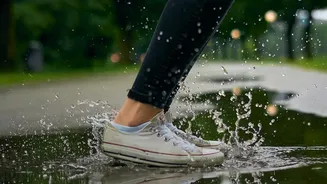
When it comes to monsoon footwear, material is everything. The best choices are inherently waterproof and easy to clean. Rubber boots, PVC sandals, and clogs are ideal because they don't absorb water, can be wiped clean, and dry quickly. Clogs are particularly popular as they offer good grip and ventilation holes that allow water to drain out. For those who need a more formal or athletic option, look for shoes made with a waterproof membrane like Gore-Tex, which keeps water out while allowing your feet to breathe. Many outdoor and hiking shoe brands offer stylish waterproof sneakers that are perfect for navigating slick city streets. A key tip is to rotate your footwear; wearing the same pair every day doesn't give them a chance to dry out completely, leading to bad odours and material degradation.
The Secret to Mud-Free Shoes
The headline's promise of "completely mud-free" shoes is less about a magical shield and more about a disciplined routine. The most important step is to act immediately upon returning home. Don't let mud dry and cake onto your shoes. For rubber or PVC footwear, a simple rinse and wipe is all it takes. For other types of shoes, let the mud dry completely first, then use a soft brush or an old toothbrush to flake off the dried dirt. For stubborn stains on fabric shoes, a solution of mild soap and water works well. To keep your favourite leather or canvas shoes in the game, consider a pre-emptive strike. Applying a waterproofing spray or even natural beeswax can create a protective barrier that repels water and mud. Reapply this coating periodically throughout the season for best results.
Drying and Deodorising Your Footwear
Even with the best precautions, shoes can get damp. Proper drying is essential to prevent both material damage and the dreaded monsoon shoe smell. Never use direct heat like a hairdryer, which can crack leather and warp synthetics. The best method is to stuff your shoes with crumpled newspaper. The paper absorbs an incredible amount of moisture. Replace the wet newspaper with a fresh batch every few hours until the shoes are dry. To combat odour, once the shoes are dry, you can place a small bowl of coffee grounds or a tea bag inside each one overnight to absorb any lingering smells. Finally, storing them in a well-ventilated area rather than a closed cupboard helps them air out properly.