


An Earthy Renaissance in Urban Homes
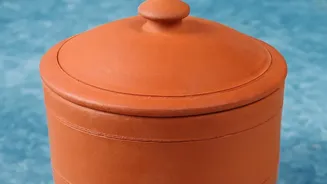
Walk through a modern apartment in Mumbai or a stylish flat in Bengaluru, and you are increasingly likely to spot the rustic charm of terracotta. Once relegated to garden planters and traditional piggy banks, this 'baked earth' is now taking pride of place
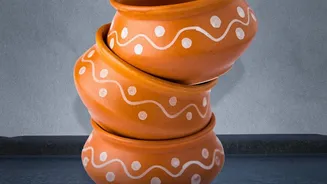
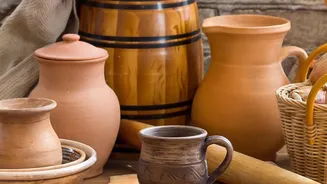
indoors. From minimalist vases on console tables to statement pendant lamps casting a warm glow over dining areas, terracotta is being reimagined for the contemporary Indian home. This shift represents a growing desire for decor that feels authentic and tells a story, a clear departure from the impersonal, factory-made items that have dominated interiors for years. The trend extends beyond decorative pieces to functional items like kitchenware, serveware, and even architectural elements like cooling jali screens and accent walls.
The Allure of Sustainability
A major driver behind terracotta's resurgence is its eco-friendly credentials. In an age of heightened environmental awareness, urban consumers are actively seeking sustainable alternatives to plastic and other synthetic materials. Terracotta fits this need perfectly. It is made from natural clay, a readily available resource, and its production process is energy-efficient compared to many modern materials. As a 100% natural material, it is free from harmful chemicals. Furthermore, terracotta is biodegradable, meaning that at the end of its long life, it can return to the soil without causing pollution, a stark contrast to plastic decor that contributes to landfill waste. This makes choosing terracotta not just an aesthetic decision, but a conscious lifestyle choice.
Modern Forms, Ancient Soul
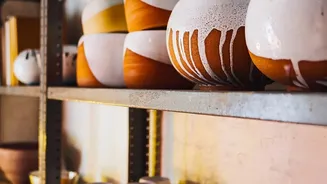
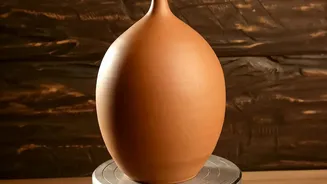
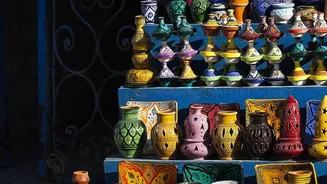
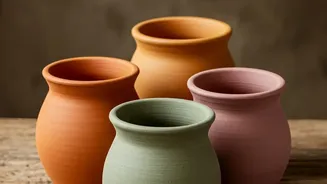
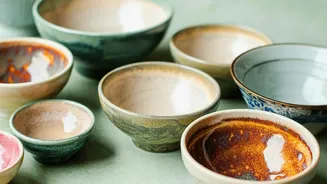
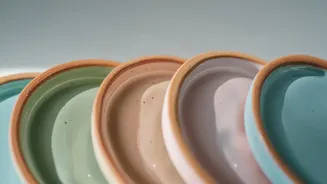
Today’s terracotta is not limited to the rustic, rough-hewn pots of the past. Designers and artisans are breathing new life into this ancient craft, creating pieces that align with modern minimalist and bohemian aesthetics. You'll find sleek, geometric vases, sculptural lamps, and serveware with clean lines that blend seamlessly into contemporary interiors. The inherent warmth and texture of the material provide a perfect counterbalance to the often-cool palettes and hard surfaces of modern homes. This versatility allows terracotta to be paired with a variety of materials like wood, brass, and natural fabrics, creating a layered and sophisticated look that avoids feeling dated. The result is a beautiful fusion of heritage craft and modern design sensibility.
A Connection to Nature and Well-being
For many city dwellers, incorporating natural elements into their living spaces is a way to foster a sense of calm and well-being. Terracotta, with its earthy tones and tactile quality, offers a direct link to the natural world. The material is known for its climate-adaptive properties; its porous nature helps keep interiors and plant roots cool, a significant benefit in India's warm climate. This breathability is particularly beneficial for indoor plants, helping to prevent overwatering and root rot. Beyond its functional benefits, the presence of handcrafted, earthy objects in a home can be psychologically grounding, providing a soothing antidote to the hustle and bustle of metropolitan life.
Empowering Artisanal Communities
The rising demand for handcrafted pottery is also creating a positive ripple effect for India's artisan communities. For generations, potters have been masters of this craft, yet many have struggled as mass-produced goods flooded the market. Now, a renewed appreciation for handmade items, amplified by e-commerce platforms and social enterprises, is connecting these skilled artisans directly with urban consumers. This revival is helping to sustain a priceless cultural heritage and provide viable livelihoods for craftspeople in regions like West Bengal, Uttar Pradesh, and Rajasthan. When you buy a handcrafted terracotta piece, you are not just acquiring a beautiful object; you are supporting an artisan's family and helping to keep a centuries-old tradition alive.