





An Escape from the Crowds
The primary drivers behind this trend are simple: cost and crowds. Peak season travel has become an exercise in battling for a patch of sand, enduring long queues, and paying premium prices for flights and hotels. Off-season travel, which often coincides
with rainy weather, offers a solution. Airlines and hotels, eager for business, frequently offer significant discounts. This makes that coveted beachfront room or luxury resort suddenly much more affordable. Beyond the savings, the experience is transformed. With fewer tourists, popular destinations feel more authentic and relaxed, allowing for more spontaneous and flexible itineraries. You can get a table at that sought-after restaurant without booking weeks in advance or explore attractions without the endless lines.
The Moody Beauty of a Stormy Sea
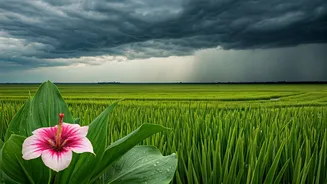
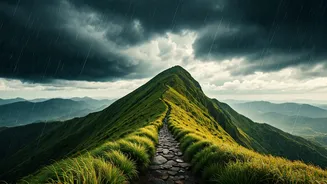
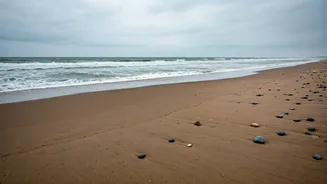
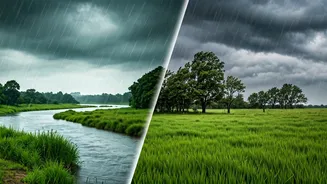
For a growing number of travellers, dubbed 'pluviophiles', rain isn't a nuisance—it's the main attraction. They find joy and tranquility in the sound of rain, the earthy smell of petrichor, and the dramatic beauty of a storm rolling in over the ocean. A rainy beach offers a different kind of aesthetic. The world feels washed clean, colours become more saturated, and the landscape takes on a moody, cinematic quality perfect for photography. Instead of the pressure to be constantly active in the sun, a rainy day provides a guilt-free excuse to slow down, read a book in a cosy cafe, or simply watch the weather from a balcony. This shift aligns with broader trends like 'slow travel,' which prioritizes immersive and mindful experiences over jam-packed schedules.
Monsoon Magic in India
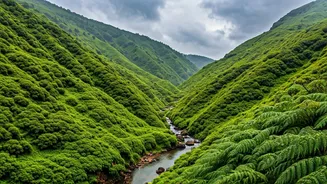
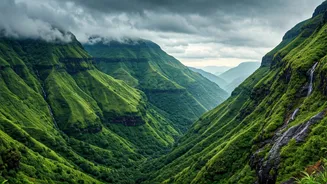
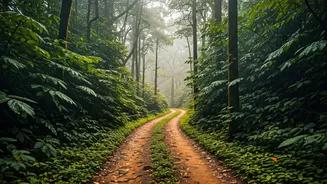
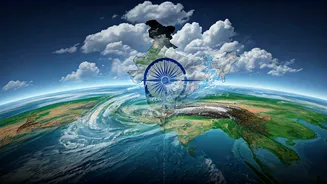
In India, embracing the rain is a long-standing tradition. Monsoon tourism is a well-established concept, particularly in states like Kerala, Goa, and Karnataka. During the monsoon months, from roughly June to September, these regions are transformed. The landscape becomes a vibrant, lush green, and waterfalls that are mere trickles in the dry season become spectacular cascades. Destinations like Munnar in Kerala, with its mist-covered tea plantations, and Coorg in Karnataka, known as the 'Scotland of India', become breathtakingly beautiful. While beach swimming is often off-limits due to rough seas, the coast offers other charms. Goa, for instance, is far less crowded, offering a peaceful atmosphere to enjoy its rich culture, heritage sites, and incredible food. Many also believe the monsoon is the best time for traditional Ayurvedic wellness treatments.
How to Plan the Perfect Rainy Getaway
A successful rainy beach trip is all about the right mindset and preparation. Instead of lamenting the lack of sun, lean into the unique activities the weather allows. Pack a good waterproof jacket, comfortable shoes, and plenty of indoor entertainment like books, board games, or a tablet loaded with movies. Many resorts offer discounted spa treatments or activities like cooking classes on rainy days. It's also the perfect opportunity to explore the local culture by visiting museums, art galleries, or indoor markets. Embrace the weather with a walk on the beach—as long as it's safe and there's no lightning—to hunt for shells and sea glass washed up by the storm. The key is to see the rain not as a trip-ruiner, but as an opportunity for a different, more restorative kind of vacation.