






Why Monsoon Heightens the Risk
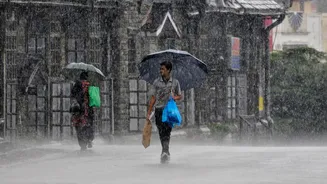
The rainy season, with its high humidity and moisture, is an ideal environment for bacteria, viruses, and fungi to thrive. Waterlogged fields and contaminated water sources can easily pollute fresh produce. During this time, our immunity naturally tends
to be lower and our digestive systems weaker, making us more susceptible to infections. Leafy greens, which grow close to the soil, are particularly vulnerable. The dampness and grime present in the environment make them highly susceptible to contamination that can lead to stomach infections and other water-borne diseases.
The Problem with Leafy Greens
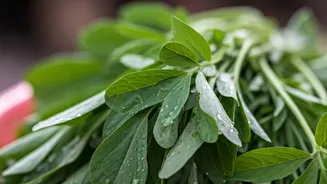
Vegetables like spinach (palak), cabbage, fenugreek (methi), and lettuce have a large surface area with many folds, which can easily trap dirt, mud, germs, and even larvae. These hidden contaminants are difficult to remove completely, even with thorough washing. Furthermore, the high moisture content in these vegetables accelerates spoilage, especially in the humid monsoon weather. This combination of factors makes them a high-risk food, as consuming them raw or undercooked can introduce harmful pathogens into your system.
Common Illnesses and Contaminants
Contaminated leafy vegetables can harbour a host of dangerous pathogens. Bacteria like E. coli and Salmonella, as well as various parasites, thrive in the monsoon environment. Consuming such produce can lead to a range of water-borne diseases and gastrointestinal infections. Common illnesses include gastroenteritis, diarrhoea, dysentery, typhoid, and cholera. Symptoms to watch for include stomach pain, nausea, vomiting, high fever, and persistent diarrhoea. In some cases, infections like Hepatitis A, which affects the liver, can also be transmitted through contaminated food.
How to Consume Vegetables Safely
While the risks are high, it doesn't mean you must completely eliminate greens from your diet. However, extreme caution is necessary. Doctors and nutritionists strongly advise against consuming raw leafy vegetables in any form, such as in salads or smoothies. If you choose to eat them, they must be cooked thoroughly to kill any harmful microorganisms. A crucial first step is meticulous cleaning. Sort the leaves to discard any that are wilted or damaged. Wash each leaf individually under clean, running water. Soaking vegetables for about 10-15 minutes in a solution of salt water or a mixture of vinegar and water can help reduce microbial contamination. After soaking, rinse them again with fresh water before cooking.
Safer Alternatives for Your Plate
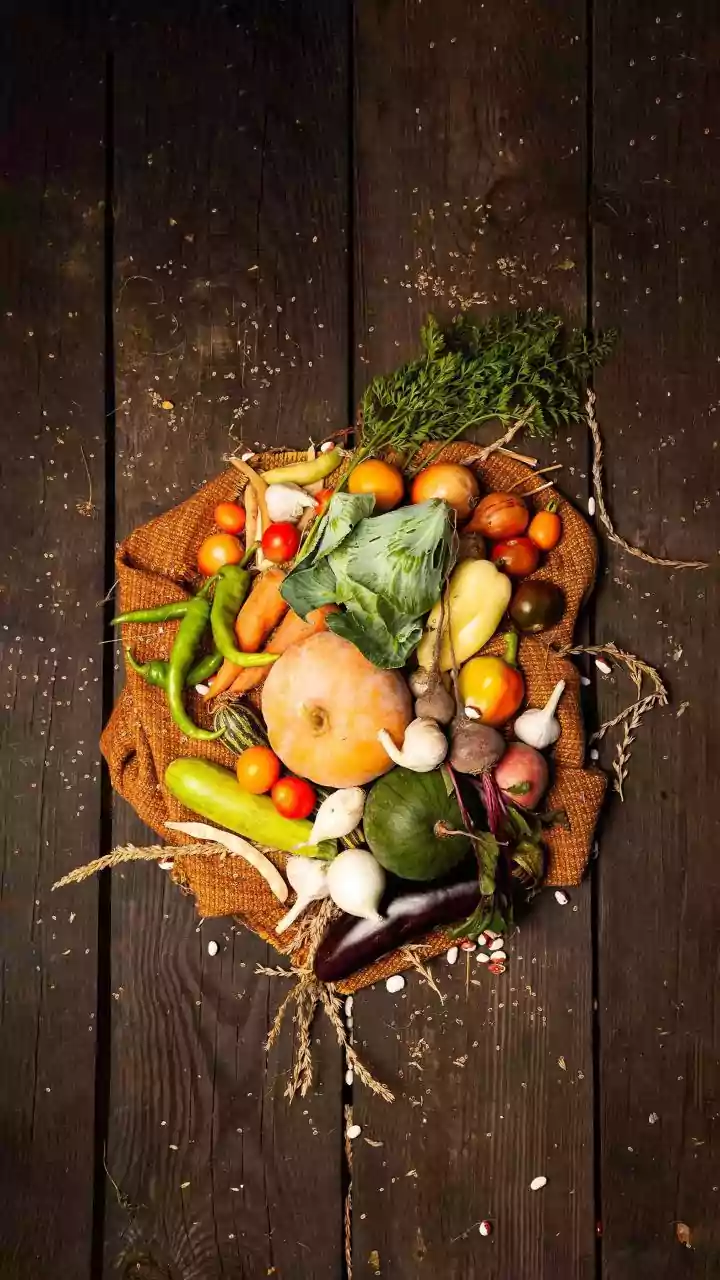
To minimize risk, it's wise to shift your focus to other vegetables that are considered safer during the monsoon. Gourds are an excellent choice. Vegetables like bottle gourd (lauki), bitter gourd (karela), ridge gourd (turai), and pointed gourd (parwal) are readily available and less prone to contamination. These vegetables have a protective skin, are easier to clean, and are light on the digestive system. Other good options include beans, okra (bhindi), and tomatoes. Including immunity-boosting ingredients like ginger, garlic, and turmeric in your cooking can also help strengthen your body's defences against seasonal illnesses.