






The Wisdom of Using Everything
Our grandparents’ generation was arguably the original zero-waste champion. Out of necessity, they mastered the art of using every part of an ingredient, a philosophy that is a cornerstone of sustainability today. Traditional recipes are filled with clever
techniques for minimising food waste. Think of using vegetable peels and offcuts to make a flavourful broth, a practice common in many Indian households. Stale bread finds new life as croutons or in puddings, and leftover rice is transformed into a delicious fried rice for the next day's meal. This nose-to-tail and root-to-leaf approach isn't a new trend but an ingrained wisdom that reduces the environmental burden of food waste, which is a major contributor to greenhouse gases. By embracing these practices, we not only honour our heritage but also make a tangible impact on the planet from our own kitchens.
Naturally Seasonal and Local
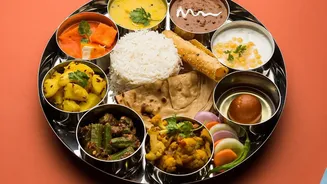
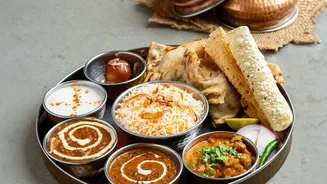
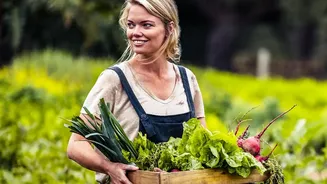
Before global supply chains made every fruit and vegetable available year-round, cooking was dictated by the seasons. Traditional diets, particularly in India, were built around locally sourced and seasonal produce. This inherently sustainable model significantly reduces 'food miles'—the distance food travels from farm to plate—and the associated carbon footprint from transportation. Eating seasonally also means enjoying produce at its peak freshness, flavour, and nutritional value. A winter menu might feature hearty root vegetables and greens, while summer brings a bounty of gourds, mangoes, and melons. This approach supports local farmers and economies, fosters biodiversity, and reconnects us with the natural rhythms of our environment. A WWF report has even highlighted traditional Indian food practices as a global model for sustainability.
Healthier for You, and the Planet
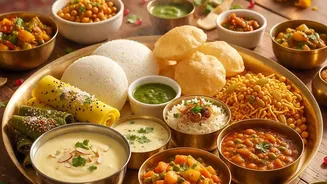
Many traditional food systems, like those in India, are predominantly plant-based, relying on a diverse array of lentils, legumes, grains, and vegetables. Plant-forward diets are widely recognised for having a much lower environmental impact than meat-heavy ones, requiring less land, water, and energy to produce. Beyond the planetary benefits, these recipes are often healthier for us. Cooking from scratch using whole ingredients means we avoid the excessive sugars, sodium, and preservatives common in industrially processed foods. Traditional cooking methods often favour steaming, stewing, or light frying, which can be healthier than many modern preparation techniques. Integrating these time-tested foodways can be a strategy for holistic well-being, connecting personal health with ecological harmony.
An Antidote to Packaged and Processed Culture
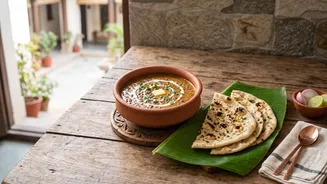
The convenience of city living often comes with a mountain of single_use plastic. Cooking traditional recipes from scratch is a powerful antidote to this. It encourages us to stock our pantries with staple goods like flour, lentils, spices, and grains, reducing our reliance on heavily packaged ready_to_eat meals. While there's a debate on whether home cooking is always cheaper once you factor in time, preparing meals from basic ingredients is generally more cost_effective than buying their processed counterparts. It gives you complete control over what goes into your food, free from hidden additives. This shift is not just about a single meal; it's about adopting a more mindful and self_sufficient approach to consumption that benefits both our wallets and the environment.