



Chandigarh: A Modern Palate
As India's first planned city, Chandigarh’s identity is rooted in modernity and order. Yet, its food culture is a wonderfully chaotic and delicious fusion. [17] It's a city of migrants, a melting pot of flavours from Punjab, Haryana, and beyond, creating
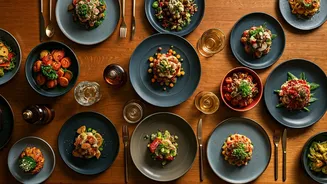
a culinary landscape that is both diverse and soulful. [8, 17] The food scene here isn't defined by ancient traditions but by a dynamic blend of hearty Punjabi classics and a booming contemporary cafe culture. [17] Legendary dhabas like Pal Dhaba serve what many call the city's best Butter Chicken, a rich, creamy indulgence that speaks of its Punjabi roots. [4, 7, 22] Alongside these institutions, you'll find Amritsari Kulcha hubs, chole bhature spots, and bustling street food stalls around university campuses and in markets like Sector 17, offering everything from gol gappe to hot dogs. [7, 8, 11, 38] This traditional fare coexists with a new wave of trendy cafes and bakeries like Nik Baker's, Backpacker's Cafe, and The Willow Cafe, which cater to a younger, globalised palate with all-day breakfasts, gourmet burgers, and artisanal coffee. [4, 7] This duality is Chandigarh’s strength; it’s where you can have a traditional Punjabi paratha for breakfast and an exquisite Italian meal at Virgin Courtyard for dinner. [4, 14]
Jaipur: A Royal Feast
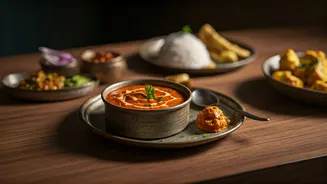
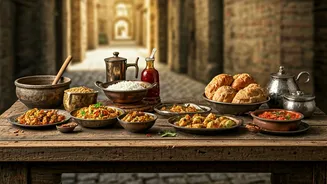
If Chandigarh is the new kid on the block, Jaipur is the seasoned monarch. The Pink City's culinary story is inseparable from its royal heritage, shaped by centuries of Rajput and Mughal influence. [21] Its cuisine is a testament to desert ingenuity, using ingredients like lentils, gram flour, and an array of spices to create rich, unforgettable dishes. [20] The undisputed king of Jaipur's food scene is Dal Baati Churma, a hearty combination of baked wheat balls, spicy lentil curry, and a sweet crumble, often drenched in ghee. [23, 31] Another iconic dish is Laal Maas, a fiery mutton curry that embodies the region's bold flavours. [20, 23] But Jaipur’s culinary identity extends beyond these mainstays. Its street food is legendary, with Pyaaz Kachori—a deep-fried pastry stuffed with spiced onions—being a local favourite, best enjoyed at institutions like Rawat Mishthan Bhandar. [23, 27, 31] The city's food journey is also a visual one, from the regal dining rooms of heritage hotels like Rambagh Palace and Chokhi Dhani to the bustling food stalls in Johari Bazaar. [3, 9, 10]
The Clash of Cultures: Tradition vs. Modernity
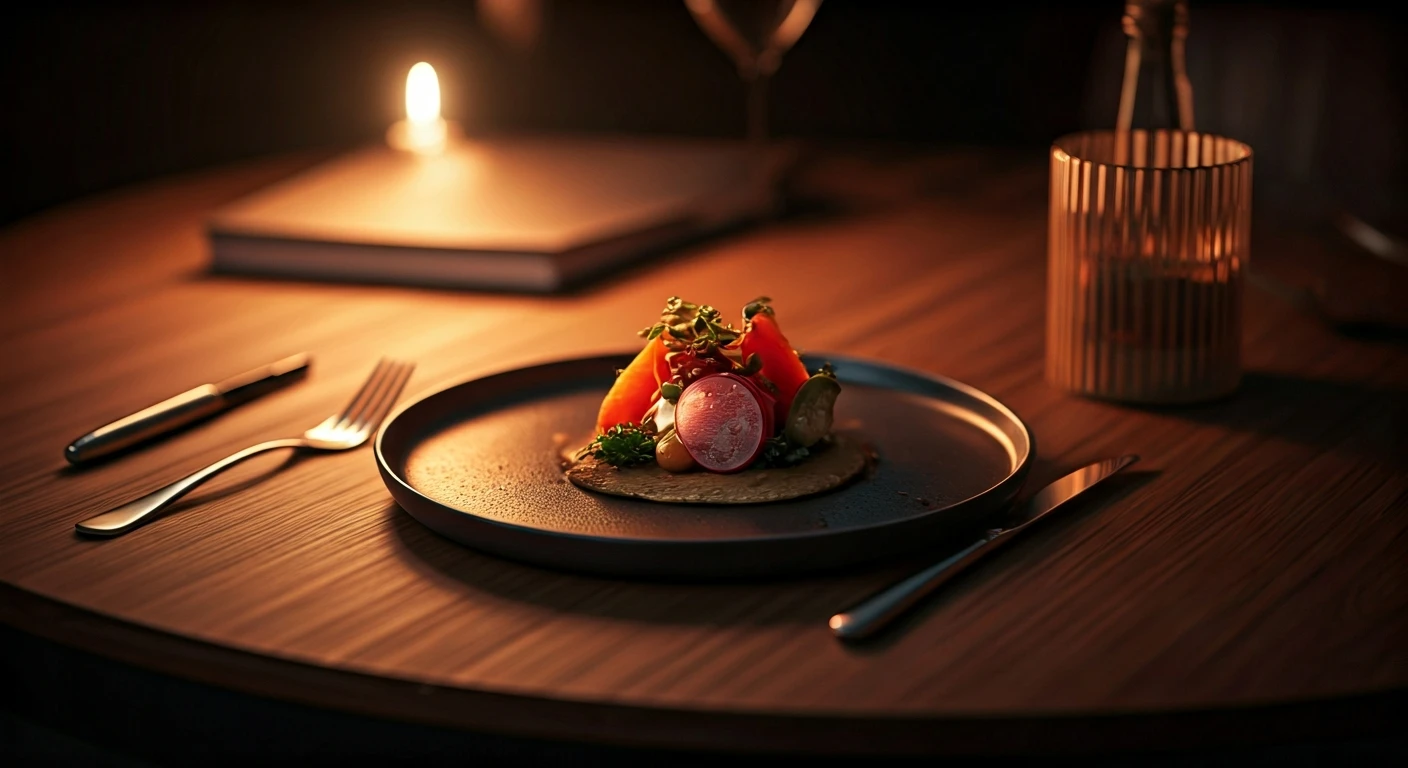
The conversation becomes truly interesting when you see how both cities are evolving. Chandigarh is rapidly expanding its modern food scene with microbreweries, themed cafes, and restaurants offering global cuisines. [13, 14] It’s a city that embraces experimentation, where you can find everything from a bookstore cafe to innovative fast-food joints. [13] Its growth is driven by a cosmopolitan population open to new experiences. [17] Jaipur, on the other hand, is innovating by looking inward. The city is witnessing a revival of heritage recipes in luxurious fine-dining settings. [5, 10, 12] Restaurants in former royal residences are offering patrons a taste of regal Rajasthan, blending authentic flavours with opulent ambiance. [3, 10] Simultaneously, Jaipur's dessert scene is undergoing a modern transformation, with traditional mithai like Ghewar and Kaju Katli being fused into contemporary creations like Motichoor Cheesecake. [6] This trend shows a city that is proud of its roots but not afraid to present them in a new light. [6, 20]
The Verdict: Two Capitals Are Better Than One
So, which city wins? The truth is, the question itself might be outdated. The emergence of Chandigarh and Jaipur in the "food capital" discussion highlights a broader trend: India’s culinary landscape is decentralizing. [25] It's no longer a title to be held by one mega-city but a celebration of multiple, diverse food hubs. Chandigarh represents the palate of modern, aspirational India—a place where tradition and global trends meet. [16] It’s a city built on migration, and its food reflects that beautiful mix. [17] Jaipur offers a journey into the heart of India's culinary heritage, a city where every dish tells a story of royalty, resilience, and romance. [20, 21] It proves that tradition is not static but can be endlessly reinterpreted. [6] Rather than crowning a single winner, the interesting part is acknowledging that both cities offer unique and essential food experiences. They represent two different, but equally compelling, ideas of what a food capital can be.