





The Enemy of Crispiness
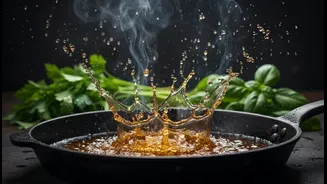
The number one enemy of a crispy fritter is excess moisture. When you're deep-frying, you want the hot oil to rapidly dehydrate the surface of the batter, creating that irresistible golden-brown crust. Any extra water in your ingredients turns into steam
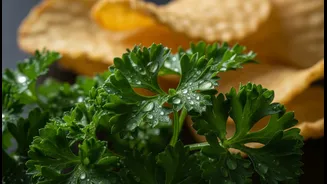
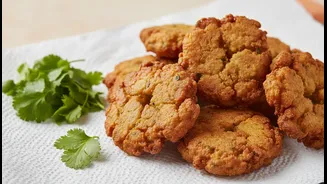
when it hits the hot oil. This steam works directly against the frying process, essentially steaming your fritters from the inside out and preventing the exterior from ever getting truly crunchy. While vegetables like onions and zucchini are known water culprits, a surprisingly common saboteur is the bunch of fresh coriander you just washed. Even a little residual water on the leaves can introduce enough steam to turn a potentially perfect pakora into a soft, slightly greasy disappointment.
The Science of a Soggy Fritter
Achieving a crispy fry is all about encouraging the Maillard reaction, a chemical process between amino acids and reducing sugars that gives browned food its distinctive flavour and colour. This reaction needs high temperatures to kick in. Water's boiling point is 100°C, while frying oils get much hotter, typically between 170-180°C. When wet coriander is mixed into your batter, the water on the leaves must boil off first, creating a pocket of steam. This lowers the temperature of the oil immediately surrounding the fritter and creates a barrier, preventing the surface from reaching the high heat needed for that signature crunch. Instead of frying, the batter steams and absorbs more oil, leading to a heavy, soggy texture.
The Simple Paper Towel Fix
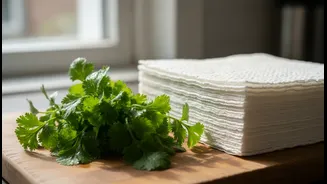
Fortunately, the solution is incredibly simple and requires no special equipment. After washing your coriander, don't just give it a quick shake. Lay the sprigs on a clean paper towel. Place another paper towel on top and gently pat down. The paper acts like a sponge, wicking away the surface moisture without bruising the delicate leaves. For best results, let it sit for a few minutes to ensure the leaves are thoroughly dry to the touch before chopping and adding them to your gram flour (besan) mixture. This small, crucial step ensures that the only liquid in your batter is the liquid you control, allowing the hot oil to do its job properly.
More Pro-Tips for Perfect Pakoras
While dry coriander is key, a few other adjustments can elevate your fritter game. First, ensure your batter isn't too thin or watery; it should be a thick, drop-able consistency, just enough to coat the ingredients. Adding a tablespoon or two of rice flour to your besan can significantly boost crispiness. Also, make sure your oil is hot enough before you start frying; a small drop of batter should sizzle and rise to the surface immediately. Frying in small batches is also critical, as overcrowding the pan lowers the oil temperature, leading back to the dreaded sogginess. Finally, once fried, let your pakoras drain on a wire rack instead of a paper towel-lined plate. This allows air to circulate and prevents steam from softening the underside as they cool.