






What Exactly is a Micro-Break?
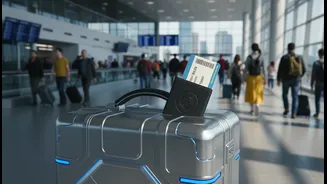
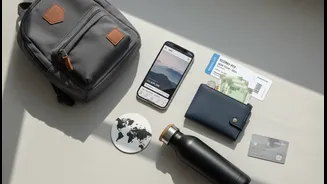
A micro-break, also known as a micro-cation, is a short, intentional trip that typically lasts two to four days. Unlike a traditional long vacation that can require months of planning, these trips are designed to be simpler and less disruptive to schedules.
The focus isn't on a packed itinerary but on disconnecting from daily routines to recharge. A recent Airbnb report focusing on India found that this trend is booming, with 87% of Gen Z travellers preferring trips that last less than a week, and seven in ten choosing to take three short trips over one long holiday. It’s a move towards making travel a regular part of life, rather than a once-a-year event.
The Driving Forces: Burnout and Budgets
So, why the shift? A major factor is the economy. With rising travel costs, shorter trips are more financially manageable. A weekend getaway to a nearby spot like Gokarna or Pondicherry can be more affordable for young professionals and students than a long-haul vacation. Another key driver is the changing nature of work and a desire for better work-life balance. Gen Z prioritises mental health and sees these frequent, shorter breaks as essential for preventing burnout, offering a quick way to recharge without the stress of planning a major trip. Many find multiple short trips throughout the year provide more consistent balance than a single, long vacation.
Rethinking the Annual Leave
The micro-break trend challenges the traditional concept of saving up all your paid time off for one big holiday. Younger workers are increasingly using their leave in smaller increments. This flexibility is amplified by hybrid and remote work arrangements, which allow employees to extend a weekend by working from a different location for a day or two, blurring the lines between work and leisure. Some reports indicate that younger generations are even more likely to use sick days for 'quiet vacationing' to manage their need for personal time, highlighting a disconnect between traditional leave policies and the desire for more frequent rest.
Destination Choices Reimagined
Micro-breaks are also changing where people go. The emphasis is less on bucket-list destinations and more on accessibility and authenticity. This often means a surge in domestic tourism, with travellers exploring nearby cities, natural landscapes, and cultural sites that don't require expensive flights. For Indian Gen Z, travel has become a form of self-expression, with 92% wanting their destination to reflect personal taste rather than popular trends. Many actively seek out unique stays and local experiences, with some choosing a destination specifically because of the accommodation they found. This focus on experience over sightseeing means less time spent rushing between landmarks and more time spent on relaxation, cultural immersion, or simply doing nothing at all.
The Future of Travel is Flexible
The rise of the micro-break is more than a fleeting trend; it represents a fundamental shift in how we view leisure and travel. It’s a move toward spontaneity, with a majority of young travellers booking trips just days or weeks in advance. This behaviour encourages a more sustainable and distributed form of tourism, benefiting local economies year-round instead of just during peak seasons. The travel industry is already adapting, with a growing focus on marketing weekend getaways and curated local experiences. As Gen Z's values of flexibility, financial savvy, and personal wellbeing continue to shape the market, the short, intentional and restorative trip is set to become an enduring part of our travel culture.