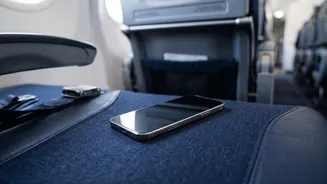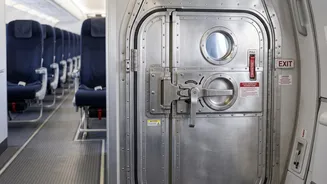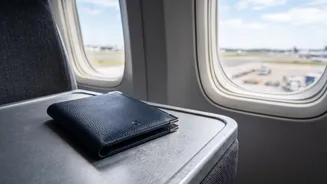





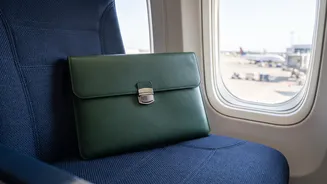
It’s a heart-sinking moment: you’re in the terminal and realise your phone, wallet, or favourite jacket is still on the plane. Your first instinct is to rush back, but it's not that simple. Here's why you can't just re-board the aircraft.
Security Is the Top Priority
The single biggest
reason you cannot re-enter an aircraft is security. Once you step off the plane and into the terminal, you are no longer in a secured, controlled environment from the airline's perspective. Even though you just came from the flight, security protocols are strict and designed to maintain the integrity of the aircraft at all times. Allowing passengers to re-board would create a security loophole. As one flight attendant noted, once a passenger deplanes, the crew has no idea who they might have interacted with or what they might have acquired. To maintain a secure environment for the crew, any connecting passengers, and the next flight's operations, access is strictly controlled. This rule is applied universally without exception, regardless of what was left behind.
The Passenger Count Is Final
Airlines follow a meticulous process of accounting for every person on board. When the plane doors open for deplaning, the crew begins the process of closing out the flight. This involves confirming that all passengers have disembarked. Once you are off the aircraft, you are officially logged as 'off'. Letting someone back on confuses this critical headcount. This count is essential not just for administrative purposes but also for safety and security sweeps that are conducted between flights. The crew needs a definitive number to ensure the cabin is clear before they hand it over to the next operational team, whether that's the cleaning staff or the crew for the subsequent flight.
Tight Turnaround Times
The world of aviation runs on a razor-thin schedule. Aircraft often have very short 'turnaround' times between landing and taking off for their next destination. During this window, a flurry of activity occurs: the plane is refuelled, catering is restocked, baggage is unloaded and loaded, and cleaning crews conduct a sweep of the cabin. A passenger attempting to re-board, moving against the flow of deplaning traffic, can cause significant delays. Halting this synchronized dance to search for a lost item can have a domino effect, delaying the next departure and potentially causing missed connections for other travellers down the line. Efficiency is key, and every minute counts in airline operations.
The Official Lost and Found Process
Airlines have a formal procedure for items left behind. It's not the flight attendants' primary job to manage lost property; their focus is on safety and securing the aircraft for handover. The responsibility usually falls to the ground cleaning crews who are tasked with preparing the cabin for the next flight. When they find items, they are collected, logged, and handed over to either the airline’s own lost and found department or the airport's central lost property office. Valuable items like passports, wallets, and electronics are typically handled with more care and logged immediately. This formal chain of custody ensures that there is a documented process for tracking and returning belongings.
What You Should Do Instead
If you realise you’ve left something behind, time is of the essence. Your best chance of a quick recovery is to act immediately. If you are still on the jet bridge or at the gate, alert a gate agent or a flight attendant right away. They are often able to radio the crew still on board or pop back themselves to retrieve the item for you. If you've already moved further into the terminal or left the airport, your next step is to contact the airline's arrival desk or file a lost item report online. Most airlines have a dedicated form on their website. Be prepared to provide your flight number, seat number, and a very detailed description of the item to increase the chances of it being found and returned to you.