



The weekday grind is real. After a long day, the last thing anyone wants is a complex cooking process and a sink full of dishes. This is where the magic of one-pot cooking comes in, promising a streamlined path to a satisfying meal.
Go Beyond Just 'Fewer Dishes'
True one-pot mastery
isn’t just about convenience; it’s a strategic approach to cooking that builds incredible flavor. For new cooks, the biggest hurdle is often coordination—juggling multiple pans and timers at once. One-pot cooking removes that chaos by building a dish in sequential layers within a single vessel. Every ingredient builds upon the last, allowing flavors to meld and deepen in a way that cooking in separate pans can never achieve. The goal is a cohesive, satisfying meal where protein, starch, and vegetables come together with minimal cleanup.
Choose Your Kitchen Workhorse
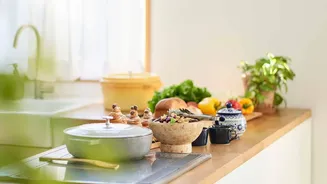
While any pot can work, the right one makes the job easier. A 5- to 6-quart Dutch oven is often considered the gold standard; its heavy construction provides even, consistent heat, and it can move from stovetop to oven. For dishes that require more browning or a faster cook time, a wide sauté pan with a lid is an excellent choice. When selecting your pot, ensure it's not too small, as overcrowding can cause food to steam instead of sear, preventing proper browning. A well-fitting lid is also crucial for trapping moisture and heat.
The Art of Strategic Layering
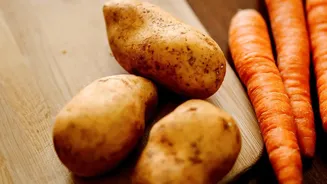
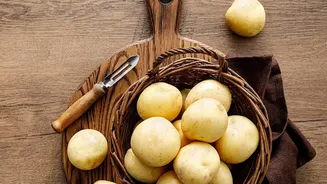
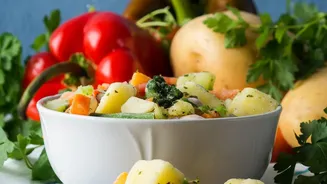
The secret to a perfectly cooked one-pot meal is adding ingredients in the right order based on their cooking time. Dumping everything in at once is a recipe for mushy spinach and raw potatoes. Start by browning your protein—like chicken thighs or beef—to develop flavor, then set it aside. Next, sauté your aromatics like onions and garlic in the fat left behind. This is the moment to bloom dried spices, toasting them for a minute to release their essential oils. Hardy root vegetables that need more time, such as potatoes and carrots, go in next. Finally, add your liquid, followed by quicker-cooking ingredients like pasta, rice, and delicate greens toward the end of the process.
Build a Foundation of Flavor
A great one pot meal is more than just boiled ingredients. Searing the protein first creates browned bits on the bottom of the pot, known as 'fond'. When you add liquid—like broth, wine, or coconut milk—use a wooden spoon to scrape these bits up. This technique, called deglazing, infuses your entire dish with a deep, savory base. Use flavorful liquids to elevate the taste; water works, but stock, broth, or even a can of crushed tomatoes adds another dimension. Don't be afraid to season at each stage, but start with less salt than you think you need—you can always add more later.
The Final Flourish
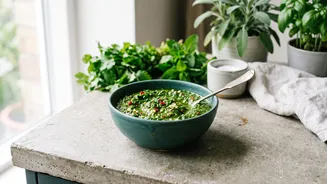
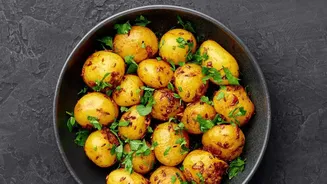
What separates a good one pot meal from a great one often comes down to the final minute of cooking. After hours of simmering, flavors can sometimes become muted. Wake everything up with a 'bright' finishing element. A squeeze of fresh lemon or lime juice, a splash of vinegar, or a handful of fresh herbs like parsley or cilantro can cut through richness and add a burst of freshness. A dollop of yogurt or sour cream can also add a creamy, tangy contrast right before serving. These finishing touches take seconds but make the entire meal taste more vibrant and complete.
Prest Planning Is Your Secret Weapon
Mastering one pot meals during the week begins before you even turn on the stove. Taking an hour on the weekend to do your 'mise en place'—chopping vegetables, measuring spices, and portioning proteins—can transform your weeknight cooking experience. You can even layer your prepped veggies in a single large bowl in reverse order of how you'll use them, so the first ingredients you need are right on top. Keeping a well stocked pantry with staples like canned tomatoes, beans, broth, pasta, and rice also makes it easier to throw a meal together without an extra trip to the store.