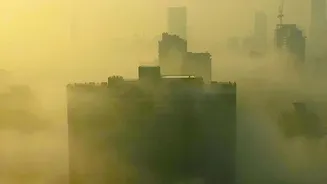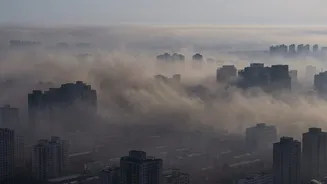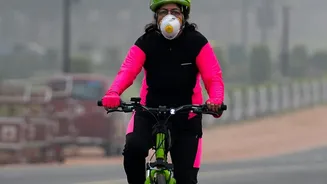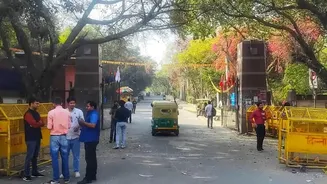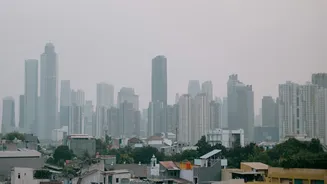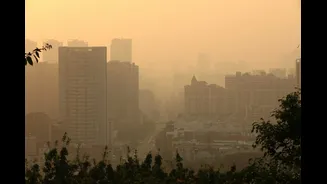





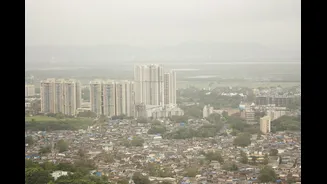
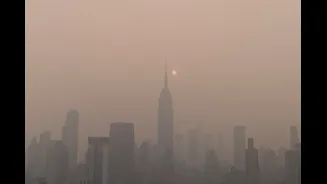
The morning arrives not with sunlight, but with a grey, stinging haze that blurs the skyline. In Delhi, the simple act of breathing has become a calculated risk, a daily negotiation with an invisible enemy that reshapes life in profound ways.
The Air We Breathe, The Toll It Takes
For millions
in Delhi, the annual pollution season, which intensifies post-Diwali, is a familiar dread. On November 12, the city's air quality was recorded in the 'very poor' category, with an overall AQI of 323. This is not just a number on a chart; it is a lived reality of itchy eyes, persistent coughs, and a constant feeling of fatigue. The health impacts go far beyond temporary discomfort. Doctors warn that prolonged exposure to fine particulate matter like PM2.5, a major pollutant in the city's air, can lead to chronic respiratory diseases, cardiovascular problems, and even lung cancer. These fine particles can enter the bloodstream, triggering inflammation that affects the heart and other organs. For the most vulnerable—children and the elderly—the risks are even more acute, with studies showing irreversible lung damage in a staggering number of Delhi's children.
Life Remodelled: A City on Mute
The pervasive smog acts like a city-wide curfew, altering the fundamental rhythms of daily life. Morning walks, children's park outings, and evening street food trips are sacrificed for safety. Schools have been forced to adapt; as of early November, classes for younger students have shifted to a hybrid mode to limit their exposure. This recurring disruption fuels calls from parents for a more predictable calendar of closures to avoid last-minute chaos. Social life shrinks as residents choose to stay indoors, leading to fewer gatherings and a diminished sense of community. The vibrant public spaces that define a city become ghost zones, with residents avoiding outdoor activities and discretionary spending, which in turn hurts local businesses like restaurants and retail shops. Even exercise becomes a challenge, with a normal outdoor workout feeling more strenuous and carrying the risk of inhaling more pollutants.
The Economic Haze
The pollution crisis is an economic tax paid by everyone. When air quality plummets, authorities implement the Graded Response Action Plan (GRAP), which includes restrictions on construction and demolition activities and limitations on certain vehicles. While necessary, these measures have a cascading effect on the economy. Construction bans halt work for developers, suppliers, and, most critically, daily-wage labourers who face immediate loss of income. Restrictions on transport disrupt supply chains, affecting the movement of goods and increasing operational costs for businesses. Beyond these official curbs, the pollution itself drains productivity. Office workers report 'brain fog' and difficulty concentrating, while sick days increase. A 2021 Lancet study estimated that output lost to premature deaths and illness from air pollution cost India 1.36% of its GDP in 2019, a figure that highlights the staggering long-term economic burden.
The Mental Weight of a Grey Sky
Living under a perpetual blanket of smog carries a significant psychological weight. A growing body of research links air pollution to adverse mental health outcomes. Experts speak of 'pollution anxiety', a chronic state of worry about the health impacts on oneself and one's family. This constant threat assessment—checking the AQI before planning a day, deciding if it's safe for children to play outside—is mentally exhausting. Studies suggest that pollutants can affect brain chemistry, disrupting mood-regulating neurotransmitters like serotonin and dopamine. This can lead to increased irritability, stress, and depressive symptoms, compounding the feeling of being trapped by an inescapable environmental threat. Research has also begun to link long-term exposure to particulate matter with cognitive decline, accelerated brain ageing, and a higher risk of dementia, revealing that the damage is not just to our lungs, but to our very minds.