




More Than Just a Watering Hole
On the surface, the logic seems simple: animals need water, so they gather where water is plentiful. While true, this only scratches the surface of a more complex ecological story, especially during the transitional month of November. In many parts of India,
November marks the period after the heavy monsoons have subsided but before the deep chill of winter sets in. The landscape, once saturated, begins a steady process of drying out. The standing water in puddles vanishes, and the moisture content in the soil and leaf litter drops. This decline in overall 'forest hydration' is what really drives animals toward permanent, visible waterbodies like rivers and lakes. It's less about a sudden spike in thirst and more about the landscape-wide disappearance of easy-to-access moisture.
The Post-Monsoon Transition
November is a critical month for wildlife. The lush vegetation left by the monsoon starts to lose its high water content, becoming less nutritious and harder to digest for herbivores. Animals that rely on dew-covered leaves for their morning hydration find this source becoming less dependable. Think about smaller creatures: insects, amphibians, and reptiles. Their life cycles are intimately tied to damp soil and humid conditions. As the forest floor dries, their populations either move, burrow, or decline, creating a ripple effect up the food chain. For larger animals, this means their usual foraging grounds become less productive. The easy meals and water sources they relied on just weeks earlier are now scarce, forcing them to concentrate their activities in areas where resources remain abundant—namely, the corridors along rivers and the perimeters of lakes.
A Cascade Effect on the Food Web
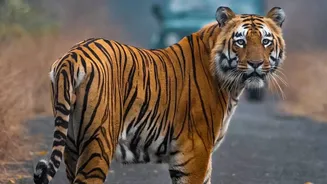
This concentration of wildlife is not just about herbivores like deer and neelgai seeking a drink. It's a full-system migration. Where the herbivores go, the predators follow. For tigers in parks like Ranthambore or leopards in Jim Corbett, the areas around waterbodies become prime hunting grounds. The increased and predictable presence of prey makes their job easier. This strategic shift is crucial as animals enter a period where they must conserve energy. Chasing prey across a dry, sparse landscape is far less efficient than ambushing them at a location they are guaranteed to visit. The forest's drying soil effectively funnels the entire ecosystem's activity into predictable zones, creating the spectacular wildlife viewing opportunities that parks are famous for in this season.
Energy Conservation Before Winter
Staying hydrated is fundamental to an animal's ability to regulate its body temperature and maintain energy levels. As temperatures begin to cool, especially during the nights, metabolic demands change. Dehydration can be a significant stressor, forcing an animal to expend more energy to perform basic functions. By staying close to a reliable water source, animals reduce the energy spent searching for water, which can be better used for foraging, evading predators, and preparing for the leaner winter months ahead. For many species, November is a time for building up fat reserves. Being able to drink freely supports a healthy metabolism, allowing them to process the food they find more efficiently. The waterbody is not just a drink station; it's a vital component of their seasonal survival strategy.
A Prime Time for Wildlife Spotting
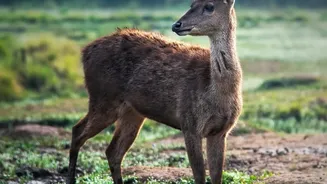
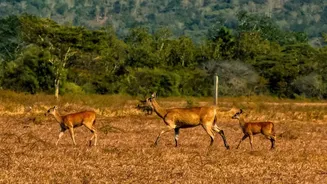
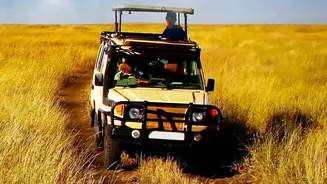
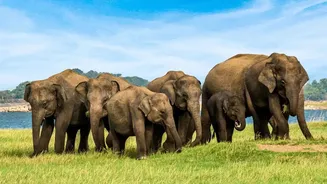
For the wildlife enthusiast, this ecological shift makes November one of the best times to visit many of India’s national parks. Parks like Corbett and Ranthambore often reopen core zones around this time after monsoon closures. With the vegetation beginning to thin out and animals congregating near water, visibility is excellent. Safari-goers are more likely to witness the drama of the ecosystem in full play: large herds of elephants, spotted deer cautiously approaching the water's edge, and perhaps even a tiger patiently waiting in the tall grasses. Understanding the 'why' behind this behaviour adds another layer to the experience. You aren't just seeing an animal drink; you're observing a response to a forest-wide environmental cue that connects the soil, the plants, and every link in the food chain.