




A Return to Ancient Grains
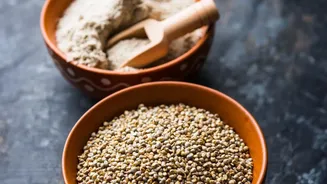
For thousands of years, millets like jowar (sorghum), bajra (pearl millet), and ragi (finger millet) were staples of the Indian diet. Mentioned in ancient Vedic texts, these hardy grains formed the basis of regional cuisines, from Ragi Mudde in Karnataka
to Bajra Roti in Rajasthan. However, with the Green Revolution's focus on high-yield wheat and rice, millets were gradually sidelined, often dismissed as 'coarse grains' or food for the rural poor. Now, a generation that grew up on polished rice and refined flour is leading a powerful comeback. Spurred by a global wellness movement and a renewed interest in sustainable living, young food enthusiasts, chefs, and bloggers are digging into their family histories to unearth and popularise these forgotten foods.
The Modern Allure of 'Nutri-Cereals'
A primary driver of this revival is health. Unlike polished rice and wheat, millets are nutritional powerhouses. They are naturally gluten-free, high in protein and dietary fibre, and packed with minerals like iron, calcium, and magnesium. For a health-conscious generation, the low glycemic index of millets is a major draw, as it helps in managing blood sugar levels and preventing energy crashes associated with refined grains. Finger millet (ragi), for example, has a higher calcium content than milk, while pearl millet (bajra) is rich in iron. This makes them an ideal choice for those managing conditions like diabetes or simply seeking a more balanced diet.
Connecting with Culinary Roots
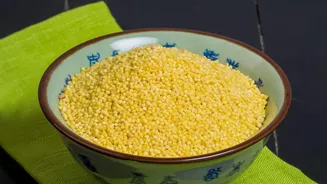
Beyond the nutritional benefits, this trend is deeply rooted in a quest for cultural identity. For many young urban Indians, documenting a grandmother's millet recipe is a way to connect with a past that feels increasingly distant. These grains are intertwined with regional heritage and culinary traditions. By reviving dishes like foxtail millet bebinca or barnyard millet pulihora, they are not just trying a new ingredient; they are preserving a piece of their family's story and celebrating the diversity of India's food culture. Projects like 'The Millet Revival Project' are creating platforms where these recipes and the stories behind them are shared, creating a living archive of culinary heritage.
The Sustainability Angle
For a generation acutely aware of climate change, the environmental credentials of millets are a significant factor. These crops are famously resilient; they require very little water, can grow in poor soil, and are resistant to drought and extreme heat. Compared to water-intensive crops like rice and wheat, millets are far more sustainable and climate-compliant. This eco-friendly profile resonates strongly with young consumers who are increasingly making food choices based on environmental impact. The Indian government's push to promote these grains, including spearheading the UN's declaration of 2023 as the International Year of Millets, has further boosted awareness.
From Kitchens to Instagram Feeds
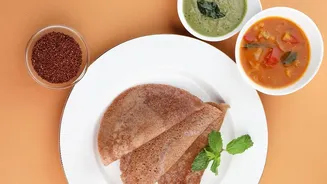
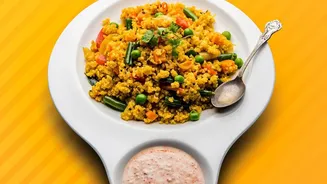
Social media has been instrumental in this millet revival. Platforms like Instagram are filled with beautifully styled photos and video tutorials of millet-based dishes, from ragi dosas to foxtail millet pulao. Young chefs and food bloggers are demystifying these ancient grains, showing their followers how to easily incorporate them into modern meals like tartlets, salads, and even desserts. By sharing innovative and easy-to-follow recipes, they are breaking the old stereotypes of millets being bland or difficult to cook, making them accessible and appealing to a whole new audience.