
From Kitchen Waste to 'Black Gold'
Compost, often called 'black gold' by gardeners, is simply decomposed organic matter. When materials like vegetable peels, coffee grounds, and eggshells break down, they transform into a rich, soil-like substance packed with life. This process diverts
a significant amount of household waste from landfills, where it would otherwise release methane, a potent greenhouse gas. But the benefits go far beyond waste reduction. Finished compost is a powerhouse of nutrients and beneficial microbes that can dramatically improve the health and structure of your soil, providing a natural boost to your plants.
Key Benefits for Potted Plants
Potted plants have limited access to the vast ecosystem of the outdoors, making soil quality paramount. Adding compost addresses this beautifully. Firstly, it enhances soil structure, creating air pockets that are essential for root health and preventing compaction. Secondly, it drastically improves water retention, meaning your soil acts more like a sponge, holding moisture for longer and reducing how often you need to water. Finally, compost introduces a thriving ecosystem of beneficial bacteria and fungi into the pot. These microorganisms help make nutrients in the soil more available for your plants to absorb, leading to stronger, more resilient growth.
What to Add to Your Compost Bin
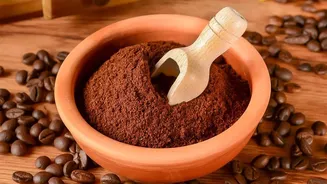
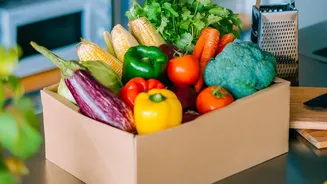
A healthy compost pile requires a balance of 'greens' and 'browns'. 'Greens' are nitrogen-rich materials that provide protein for the composting microbes. 'Browns' are carbon-rich materials that provide energy. Good 'greens' from your kitchen include fruit and vegetable scraps, coffee grounds and paper filters, and crushed eggshells. Ideal 'browns' from around the house include shredded newspaper (non-glossy), cardboard rolls, and dried leaves. Striking a good balance—often a ratio of two parts brown to one part green—is key to creating an odour-free and efficient compost system.
What to Keep Out of the Compost
Just as important as what you put in is what you leave out. Certain items can attract pests, create foul odours, or introduce harmful pathogens. You should always avoid adding meat, fish scraps, bones, and dairy products. Fats, grease, and oily foods are also a no-go, as they can disrupt the moisture balance and slow decomposition. While fruit and vegetable scraps are great, some experts suggest using citrus peels, onions, and garlic in moderation, as high acidity can be harmful to worms and essential microorganisms in some composting systems. Also, be sure to avoid composting any diseased plants, which could spread problems to your healthy houseplants.
Getting Started: A Simple Method
You don't need a large garden to start composting. Many methods are perfect for small spaces, from countertop bins to compact tumblers. A simple and effective DIY method involves a trash can. By drilling holes in the bottom and sides of a metal or plastic can, you can create a small-scale composter. Start by adding a layer of 'browns' like shredded paper, then add your kitchen scraps ('greens'). Each time you add greens, cover them with a layer of browns to maintain the carbon-nitrogen balance and prevent odours. Keep the contents as moist as a wrung-out sponge and turn the pile with a small shovel every week or two to aerate it, which speeds up decomposition.
Using Your Homemade Compost
Your compost is ready when it looks dark, crumbly, and smells earthy. For potted plants, it's best not to use pure compost, as it can be too dense and retain too much water on its own. A great potting mix can be made by blending your compost with potting soil, with the compost making up about 25-30% of the total volume. You can also use it as a 'top dressing' by spreading a thin layer over the soil of your existing plants, allowing the nutrients to wash down into the roots every time you water.