








Why This Is More Than Just Dal
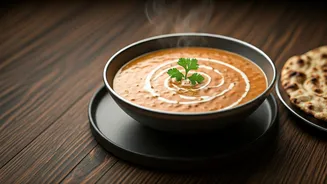
Forget the quick, everyday dal you might whip up on a Tuesday night. This is Dal Makhani, the undisputed king of dals. It’s the dark, luscious, and incredibly flavourful dish that graces the menus of the best Indian restaurants and is the star of celebratory
meals. Making it at home is not a 30-minute affair; it’s a project. It’s an exercise in patience and a lesson in how simple ingredients, given time, can transform into something truly magical. The process itself is a form of therapy—the slow bubbling, the fragrant spices, the anticipation. The reward is a bowl of comfort so profound, you’ll wonder why you didn’t try it sooner.
Phase One: The Foundation
Every great project starts with a solid foundation. For Dal Makhani, this begins the night before. You'll need whole black lentils (sabut urad dal) and red kidney beans (rajma). The ratio is typically 3 parts dal to 1 part rajma. The crucial first step is to wash them thoroughly and then soak them in plenty of water overnight, or for at least 8-10 hours. Do not skip this. Soaking softens the legumes, reduces cooking time, and is essential for achieving that signature creamy texture. It's a simple, five-minute task that sets the stage for success the next day.
Phase Two: The Slow Simmer
This is where the 'project' part really begins. Drain the soaked dal and rajma, and place them in a heavy-bottomed pot or a pressure cooker with fresh water, a little salt, and perhaps a bay leaf or a piece of cinnamon for a hint of background aroma. If using a pressure cooker, cook for about 15-20 minutes after the first whistle. If you're going fully traditional, let it simmer on low heat for several hours until the beans are completely soft and start to fall apart. The goal is for the lentils to be so tender that they melt in your mouth. This slow simmer is what builds the dal’s creamy body, long before any cream is added.
Phase Three: Building the Flavour Base
While the dal is cooking or after it's been pressure-cooked, you prepare the masala. This is where the layers of flavour come from. In a separate pan, heat ghee or a mix of oil and butter. Sauté finely chopped onions until they are soft and golden. Add ginger-garlic paste and cook for another minute until the raw smell disappears. Then, it's time for the pureed tomatoes. Cook this mixture down until the oil starts to separate from the masala—a key sign that it’s well-cooked. Finally, add your powdered spices: Kashmiri red chilli powder for colour, a little turmeric, and coriander powder. This rich, aromatic base is the heart of your Dal Makhani.
The Grand Finale: Bringing It All Together
Now for the most satisfying step. Add the cooked tomato masala to the pot of cooked dal. Stir everything together and let it simmer on the lowest possible heat for at least 30 more minutes, but an hour is even better. This allows the flavours to meld and deepen. The dal will thicken and become even creamier. During this final simmer, mash some of the lentils against the side of the pot with your spoon to enhance the creaminess. Just before serving, stir in a generous dollop of butter and a splash of fresh cream. Taste and adjust the salt. The final touch? A sprinkle of garam masala and kasoori methi (dried fenugreek leaves) crushed between your palms.