






The Trouble with Refined Flour
Refined flour, or 'maida', is a staple in many Indian households, found in everything from naan and biscuits to pasta. During the refining process, wheat grains are stripped of their bran and germ. This process removes most of the fibre, vitamins, and minerals,
leaving behind simple starch. When we eat foods made with refined flour, our bodies digest them very quickly. This causes a rapid surge in blood sugar, giving a short-lived burst of energy followed by a sharp crash, leaving you feeling tired and lethargic. Over time, this cycle can contribute to an increased risk of developing conditions like type 2 diabetes and heart disease.
Millets: A Nutritional Powerhouse
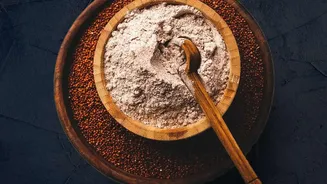
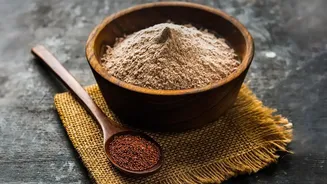
Millets are a group of ancient grains that have been part of traditional Indian diets for centuries. Varieties like jowar (sorghum), bajra (pearl millet), and ragi (finger millet) are making a comeback for good reason. Unlike refined flour, millets are whole grains, meaning they retain their nutrient-rich outer layers. They are packed with dietary fibre, protein, B vitamins, and essential minerals like iron, magnesium, and calcium. For example, ragi is famously rich in calcium, while some millets contain two to three times more fibre than refined wheat. This impressive nutritional profile is the foundation of their health benefits.
The Science of Stable Energy
The key to sustained energy lies in how your body gets its fuel. Millets are full of complex carbohydrates and fibre. This combination means they are digested much more slowly than the simple carbs in refined flour. Instead of a rapid dump of sugar into your bloodstream, millets provide a slow, steady release of glucose. This gradual process ensures your cells get a consistent supply of energy over several hours, preventing the dramatic peaks and troughs that leave you feeling exhausted and reaching for another snack. The B vitamins found in millets also play a crucial role in your body's energy production processes.
Preventing Blood Sugar Spikes
For anyone managing blood sugar, or wanting to prevent issues down the line, millets are a clear winner. Their advantage comes down to the Glycemic Index (GI), a measure of how quickly a food raises blood sugar. Refined flour has a high GI, causing those problematic spikes. Most millets, however, have a low to medium GI. The high fibre content physically slows down digestion and the absorption of sugar in your gut. Studies have shown that regular consumption of millets can significantly improve glycemic control and insulin sensitivity, making them a highly recommended choice for individuals with diabetes.
Easy Ways to Make the Switch
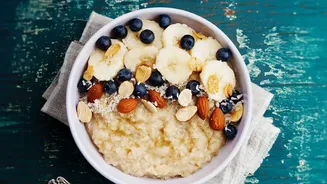
Switching to millets doesn't mean you have to give up your favourite foods. The beauty of these grains is their versatility. A simple start is to swap a portion of your regular wheat atta with millet flour. Begin with a 20% millet to 80% wheat blend for your chapatis and gradually increase the ratio. You can use jowar, bajra, or ragi flour. Try making millet-based versions of breakfast foods like upma, porridge, or cheela. For lunch or dinner, you can cook millets like rice and serve them with dal or sabzi, or make a hearty khichdi. From ragi dosas to jowar rotis, integrating these nutritious grains into your daily meals is easier than you think.