





The Summer Workout Struggle
Exercising in the heat presents a unique challenge. As temperatures rise, your body works harder to cool itself down, primarily through sweating. This process is effective, but it comes at a cost: significant fluid and electrolyte loss. When you sweat,
you don't just lose water; you lose essential minerals like sodium, potassium, and magnesium. This depletion is a primary cause of summer workout fatigue, leading to symptoms like muscle cramps, dizziness, weakness, and reduced endurance. Simply drinking more water doesn't always solve the problem. If you're losing electrolytes and only replacing the fluid, you can further dilute the mineral concentration in your body, which can sometimes make you feel even worse. This is why paying attention to electrolyte replacement becomes crucial for anyone trying to stay active during warmer months.
Coconut Water: Nature’s Hydration Base
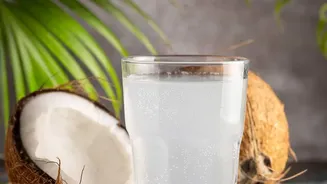
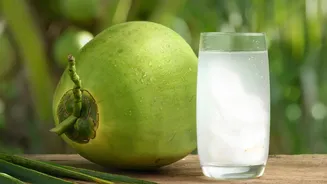
Coconut water, the clear liquid from young, green coconuts, has gained popularity as a natural alternative to commercial sports drinks. It's naturally low in calories and rich in several key electrolytes, most notably potassium. Potassium is vital for muscle function, helping to regulate muscle contractions and nerve signals. An imbalance can contribute to the muscle cramps and weakness many people experience during strenuous exercise. Furthermore, coconut water contains natural sugars, which provide a source of quick energy for your working muscles, and other minerals like magnesium and calcium in smaller amounts. While it’s a great starting point for hydration, on its own, it is typically low in one of the most critical electrolytes lost in sweat: sodium.
The Crucial Role of a Pinch of Salt
This is where a simple pinch of salt comes in. Sodium is the most abundant electrolyte lost through sweat and plays a central role in maintaining your body's fluid balance. It essentially tells your body where to send water and helps you retain the fluid you drink, ensuring it gets to your muscles and cells where it's needed most. Adding a small amount of salt, such as sea salt or pink Himalayan salt, to your hydration drink can significantly improve your body’s ability to absorb and hold onto water. This helps prevent the effects of dehydration and electrolyte depletion during an intense, sweaty workout. For many people, a balanced diet provides enough sodium, but for those engaging in prolonged exercise in the heat, replenishing it becomes more important.
Putting It All Together: A Simple DIY Sports Drink
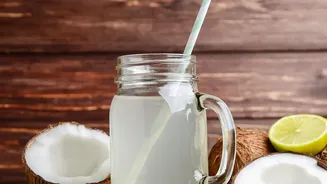
When you combine the potassium-rich profile of coconut water with the sodium from salt, you create a more complete and effective electrolyte drink. The natural sugars in coconut water can also help the body absorb sodium and water more efficiently. Making this pre-workout hydrator is incredibly simple. For a single serving, mix about one to two cups (250-500ml) of unsweetened coconut water with a small pinch (about 1/8th of a teaspoon) of salt. You can also add a squeeze of lime or a teaspoon of honey for flavour and a little extra energy. It’s best consumed about 30-60 minutes before your workout to give your body time to start absorbing the fluids and electrolytes. This simple mixture provides a natural way to front-load your hydration, preparing your muscles for the demands of exercising in the heat.
Important Considerations
While this drink is a great natural tool, it’s not necessary for every workout. It is most beneficial for moderate to high-intensity exercise lasting over an hour, or for any activity in the heat that causes significant sweating. For a light jog or a short gym session in an air-conditioned environment, plain water is likely sufficient. Furthermore, individuals with high blood pressure, kidney disease, or those on a sodium-restricted diet should exercise caution. Adding extra salt to your diet, even in small amounts, might not be suitable for everyone. It's always best to listen to your body and understand your personal health needs before making changes to your diet or hydration strategy.