





A Celestial Show Awaits You
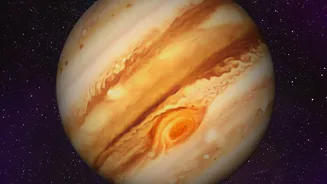
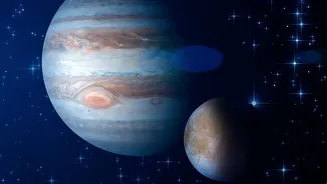
Tonight is a fantastic opportunity for some casual stargazing. The gas giants, Jupiter and Saturn, are well-positioned for viewing. Jupiter, the largest planet in our solar system, will be rising before sunrise, making it a great target for early birds.
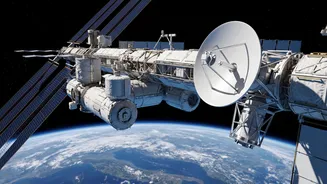
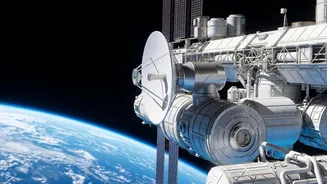
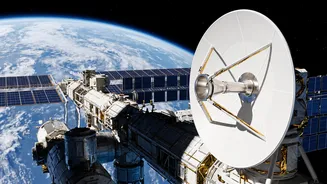
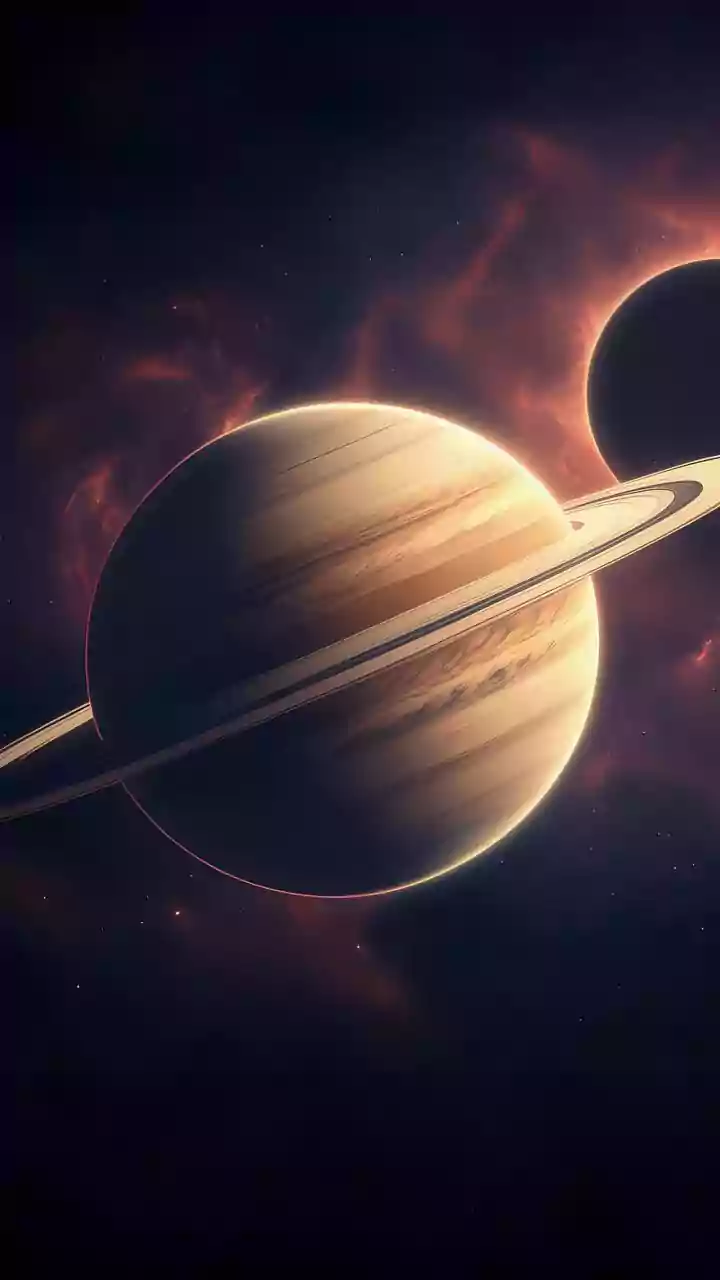
Saturn, famous for its stunning rings, is also visible for nearly the entire night as it nears its opposition. Adding to the excitement, the International Space Station (ISS) often makes visible passes. It looks like a bright, fast-moving star gliding silently across the sky. These objects are bright enough to be seen even from light-polluted areas, making them perfect targets for city-based astronomers.
Choose Your Pocket Planetarium
The secret to identifying these celestial objects is a good astronomy app, which turns your phone into an augmented-reality window to the cosmos. For beginners, a few apps stand out for their user-friendly design. Star Walk 2 is praised for being great for those just starting out, offering beautiful visuals and an easy-to-use interface. SkyView Lite is another excellent free choice, providing a simple point-and-identify experience. For those wanting a highly realistic and detailed map, Stellarium Mobile's free version is considered one of the best, inheriting its accuracy from its renowned desktop software. Most of these apps are available on both iOS and Android and use your phone's location and sensors to show you exactly what's in the sky above you.
How to Find Jupiter and Saturn
Once you've downloaded an app, finding the planets is simple. First, open the app and grant it permission to access your location and compass. This allows it to calibrate to your specific view of the sky. Most apps will immediately display a live, annotated map of the stars. To find a specific planet, use the search function—usually marked with a magnifying glass icon. Type in "Jupiter" or "Saturn" and select it. An arrow or guide will appear on your screen. Simply move your phone in the direction of the arrow until the object is centered on your screen. You will now be pointing directly at the planet, even if you can't see it clearly with your naked eye at first. The app will overlay the name and information, confirming your discovery.
Catching the International Space Station
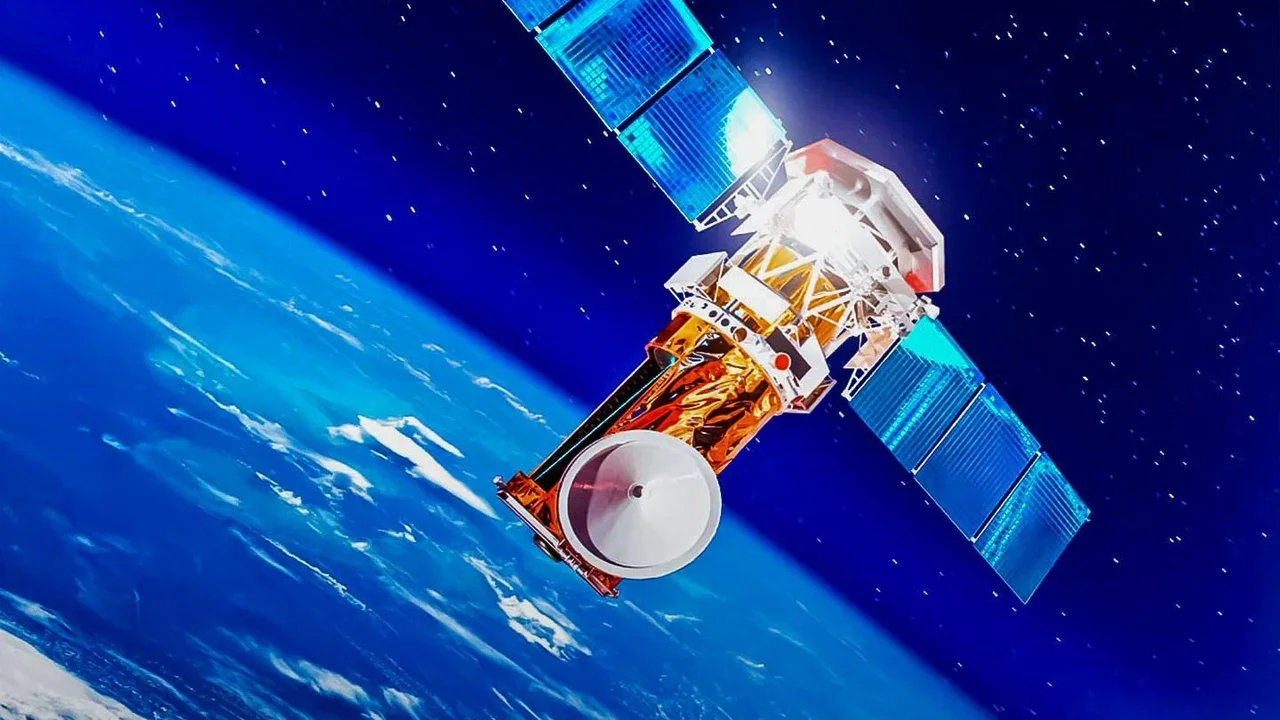
Spotting the ISS is a bit different because it moves so quickly, completing an orbit of Earth every 90 minutes or so. It's only visible when it's overhead during the hours just after sunset or before sunrise, when it's dark on the ground but the station is high enough to reflect sunlight. The best way to catch it is by setting up notifications. Apps like Star Walk 2 have dedicated ISS alerts that will tell you when a pass is about to happen over your location. Websites like NASA's Spot The Station also provide precise timings, the direction to look, and how long the pass will last. When you get an alert, head outside a few minutes early. The ISS will appear as a very bright, steady light moving smoothly and quickly across the sky, without the blinking lights of an airplane.
Pro Tips for the Best View
To make your stargazing session more successful, a few simple tricks can make a big difference. First, try to get away from direct streetlights or bright house lights, as light pollution can wash out fainter objects. Second, give your eyes time to adapt to the dark. It takes about 15-20 minutes for your night vision to fully kick in, revealing many more stars than you initially see. Avoid looking at your bright phone screen during this time. Many astronomy apps have a 'night mode' that switches the interface to red tones, which helps preserve your dark-adapted eyesight. Finally, get comfortable. A chair or blanket can make all the difference as you spend time looking up at the cosmos.