



A New Space Age for India
The Indian space landscape is undergoing its most significant transformation in decades. The catalyst is the Indian Space Policy 2023, a landmark reform designed to open the doors to private companies. Historically, private firms were limited to being
suppliers for the Indian Space Research Organisation (ISRO). Now, they are encouraged to build, launch, and operate their own space missions. The government's goal is to grow India's share of the global space economy from its current 2-3% to a much larger slice, with projections estimating the domestic sector could be worth over $40 billion by the next decade. This policy shift has unleashed a wave of innovation, with over 400 space startups now part of the ecosystem, up from just a handful before 2020.
Meet the New Trailblazers
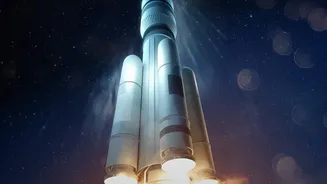
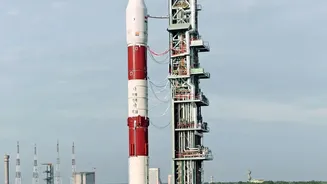
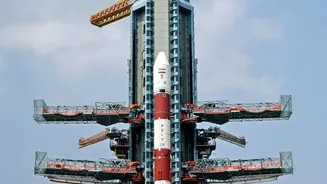
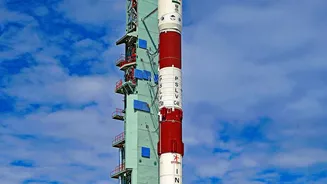
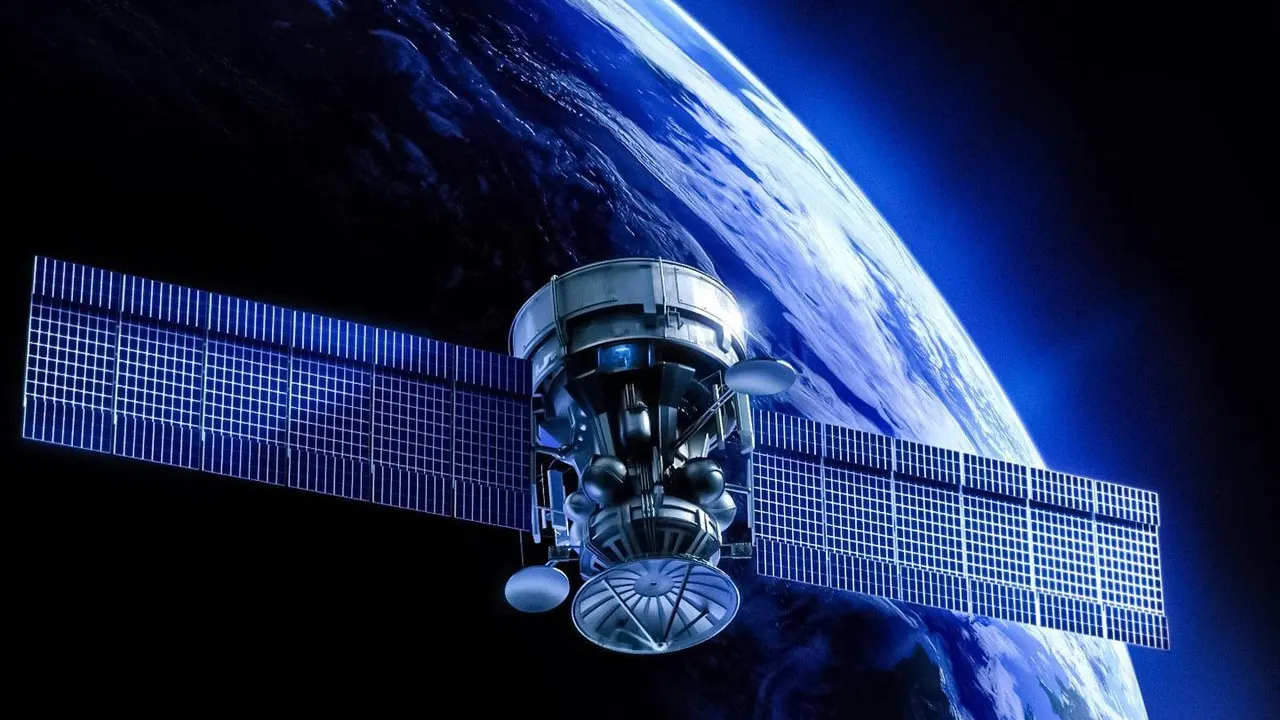
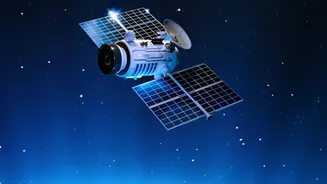
A vibrant ecosystem of startups is now leading India’s private space charge. Companies like Hyderabad-based Skyroot Aerospace, which successfully launched India's first privately developed rocket, and Chennai-based Agnikul Cosmos, known for its 3D-printed rocket engines, are focused on making satellite launches more accessible and affordable. In the satellite domain, Bengaluru's Pixxel is building a constellation of hyperspectral imaging satellites to provide detailed data for agriculture and environmental monitoring. Meanwhile, Dhruva Space, also in Hyderabad, specializes in building satellite platforms and has already deployed its own satellites in orbit. These companies are not just concepts; they are funded, have active contracts, and are hiring talent now.
More Than Just Rocket Science
The most exciting aspect of this new space age is the sheer diversity of roles it offers. While aerospace and propulsion engineers remain central, the demand now extends far beyond traditional rocket science. Aerospace software engineers are needed to write the code for flight systems and autonomous navigation. Satellite data analysts with skills in Python and machine learning are in high demand to interpret the vast amounts of data beamed down from orbit, providing insights for industries from urban planning to disaster response. The ecosystem also requires specialists in robotics, electronics, systems engineering, and even non-technical fields like space law, policy, and marketing. This expansion means that students from various streams, including computer science, mechanical engineering, and data science, now have a clear path into the space sector.
Building the Right Skills
To launch a career in this dynamic field, a strong foundation in STEM is crucial. A bachelor's degree in engineering (aerospace, mechanical, electronics, or computer science) or physics remains the most common entry point. However, companies are increasingly looking for practical, hands-on skills beyond a degree. Proficiency in programming languages like Python, C++, and MATLAB is highly valued across many roles. Experience with design and simulation tools such as CATIA and ANSYS is also a major advantage. Perhaps most importantly, recruiters at these fast-paced startups look for a demonstrated passion for the field, often showcased through personal projects, participation in technical competitions, or internships, which are a primary gateway to full-time offers.
A Supportive Ecosystem
This private-sector boom is not happening in a vacuum. The government has established the Indian National Space Promotion and Authorisation Centre (IN-SPACe) to act as a single-window agency to promote, authorise, and supervise the activities of private space companies. IN-SPACe's role is to create a predictable regulatory environment and facilitate access to ISRO's world-class facilities and expertise, effectively acting as an incubator for the entire industry. This public-private partnership allows ISRO to focus on advanced research and development and strategic missions like human spaceflight, while private players drive commercial manufacturing and services. This collaborative approach is designed to build a robust national space ecosystem that can compete on the global stage.