



Marking the Auspicious Dates
The nine sacred nights of Shardiya Navratri in 2026 will commence on Sunday, October 11, and conclude on Monday, October 19. The festival culminates with Vijayadashami, also known as Dussehra, on Tuesday, October 20. These nine nights are dedicated to worshipping
the nine forms of Goddess Durga, known as the Navadurga. Many households plan their celebrations, fasting, and social calendars around this important schedule, ensuring they can fully immerse themselves in the spiritual journey.
Setting a Sacred and Festive Scene
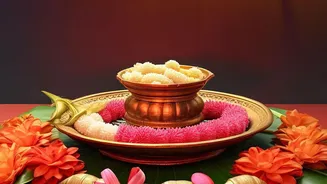
Preparations often begin with a thorough cleaning of the home, creating a purified and welcoming space for the divine energy. Entrances are being adorned with traditional torans (hangings) made of mango leaves and marigold flowers, and vibrant rangoli patterns to welcome guests and positive energy. Inside, many are planning to use fairy lights, lanterns, and brass diyas to create a warm, divine glow. A modern trend is to blend traditional decor with contemporary touches, such as using decorative urlis (bowls) with floating candles and flowers, or opting for eco-friendly decor like clay lamps and reusable fabrics.
The Heart of Worship: The Home Mandir
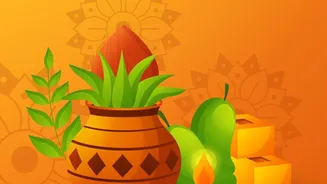
The puja room becomes the focal point of household activities. A key ritual on the first day is Ghatasthapana or Kalash Sthapana, which marks the invocation of the Goddess. This involves placing a sacred pot (kalash) filled with holy water, coins, and betel nut on a bed of barley seeds. The sprouting barley over the nine days symbolizes prosperity and growth. Families will decorate their idols with fresh garlands and colourful fabrics, and light an 'Akhand Jyot' (an eternal flame) to burn throughout the nine days.
The Culinary Discipline: Fasting and Feasting
Fasting is a significant aspect of Navratri, seen as a way to detoxify the body and focus the mind. The rules generally involve abstaining from grains like wheat and rice, lentils, onions, and garlic. Instead, meals are prepared with alternatives like buckwheat flour (kuttu), water chestnut flour (singhara), and tapioca pearls (sabudana). Rock salt (sendha namak) replaces table salt. Many households are stocking their pantries with these fasting essentials, alongside fruits, nuts, and dairy products, to prepare traditional dishes like Sabudana Khichdi, Kuttu ki Puri, and fruit chaat.
Nine Nights of Fashion and Colour
Dressing up is a joyous part of the festivities, especially with the tradition of wearing a specific colour for each day of Navratri. For 2026, the colour sequence begins with orange on the first day, followed by white, red, royal blue, yellow, green, grey, purple, and peacock green. People are planning their wardrobes to coordinate with these colours, with traditional attire like chaniya cholis, lehengas, and sarees being popular choices, often accessorized with oxidized silver jewelry.
Community Spirit: Garba, Dandiya, and Gatherings
Navratri is also a festival of community and social connection. In many parts of the country, especially Gujarat and Maharashtra, the nights are filled with the energetic folk dances of Garba and Dandiya Raas. Communities organize large events in open grounds, but smaller, more intimate gatherings in residential societies are also popular. These events bring people together to celebrate with music, dance, and festive food, embodying the collective joy of the festival.