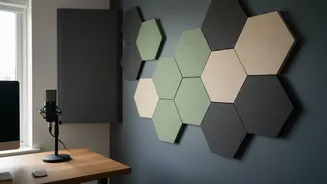







The Challenge of Small-Space Living
Studio apartments are the heart of urban living, offering convenience and a compact footprint. However, this proximity often comes with a downside: noise. Whether it's the neighbour's television, traffic from the street below, or conversations from the hallway,
sound travels easily through conventional walls. Many modern buildings rely on synthetic foam panels for insulation. While effective to a degree, these materials, often derived from petroleum, are not biodegradable and can release chemical compounds into the air, a process known as off-gassing. For residents seeking a healthier, quieter, and more environmentally conscious home, the search for better alternatives is on.
A Natural Solution from a Humble Source
Enter the coconut. The tough, fibrous husk that protects the fruit, known as coir, has long been used for ropes and mats. Today, this agricultural byproduct is being transformed into a high-performance building material. To create these panels, manufacturers collect the husks, shred the fibres, and then compress them under heat and pressure. Sometimes, a natural, eco-friendly adhesive is used to bind the fibres, resulting in a dense, durable board that can be used for walls, insulation, and acoustic panelling. This process turns what would otherwise be waste into a valuable resource, supporting a circular economy.
The Ultimate Benefit: Peace and Quiet
The single greatest advantage of coconut husk panels in a studio setting is their exceptional ability to absorb sound. The dense, irregular structure of the coir fibres is incredibly effective at trapping and dampening sound waves. Unlike smooth, rigid surfaces that reflect noise, the porous nature of these panels helps deaden vibrations, from low-frequency bass to high-frequency chatter. For anyone who has ever been kept awake by a noisy neighbour, installing these panels as wall linings or partitions can make a world of difference, creating a more serene and private living environment. Studies have shown that natural fibres like coir have significant sound absorption properties, making them a powerful tool for improving acoustic comfort in residential buildings.
More Than Just Soundproofing
Beyond creating a quiet oasis, coconut husk panels offer a suite of other benefits. They are naturally resistant to moisture and pests, which helps prevent the growth of mould and mildew—a common concern in small, enclosed spaces. The fibrous structure is also breathable, allowing for better air circulation within wall cavities. Furthermore, these panels provide excellent thermal insulation, helping to keep your apartment cooler in the summer and warmer in the winter, which can lead to lower energy bills. Their ability to block heat transfer is thanks to the same air pockets within the fibre that make them great acoustic insulators.
A Healthier Alternative to Foam
Synthetic foam insulation, such as polyurethane, can be a source of volatile organic compounds (VOCs). These chemicals can be released into the air, particularly during and after installation, and have been linked to respiratory irritation and other health issues. Coconut husk panels, in contrast, are generally free from these harmful chemicals, especially when made with natural binders. By choosing these natural panels, residents can significantly improve their indoor air quality. Furthermore, at the end of their life, coir panels are biodegradable, unlike synthetic foams which persist in landfills for centuries.